 Bellingham Roofing
 Asphalt Shingle Roofing Built for Happy Valley's Climate
Happy Valley sits close enough to Bellingham Bay and the surrounding waterways that salt-laden air, wind-driven rain, and long stretches of shaded, damp weather are just part of owning a home here. Asphalt shingle roofing remains the most practical choice for most houses in this neighborhood — it's cost-effective, repairable, and available in styles that suit everything from older bungalows to newer builds. But "asphalt shingles" covers a wide range of products and installation quality, and in a climate like Whatcom County's, those differences show up fast. A roof installed the same way you'd install one in a dry inland climate will not hold up the same way here.
This page focuses specifically on what asphalt shingle roofing needs to look like for homes in Happy Valley — not a generic overview, but the details that actually matter given the rain, the moss, and the salt air this neighborhood deals with year after year.
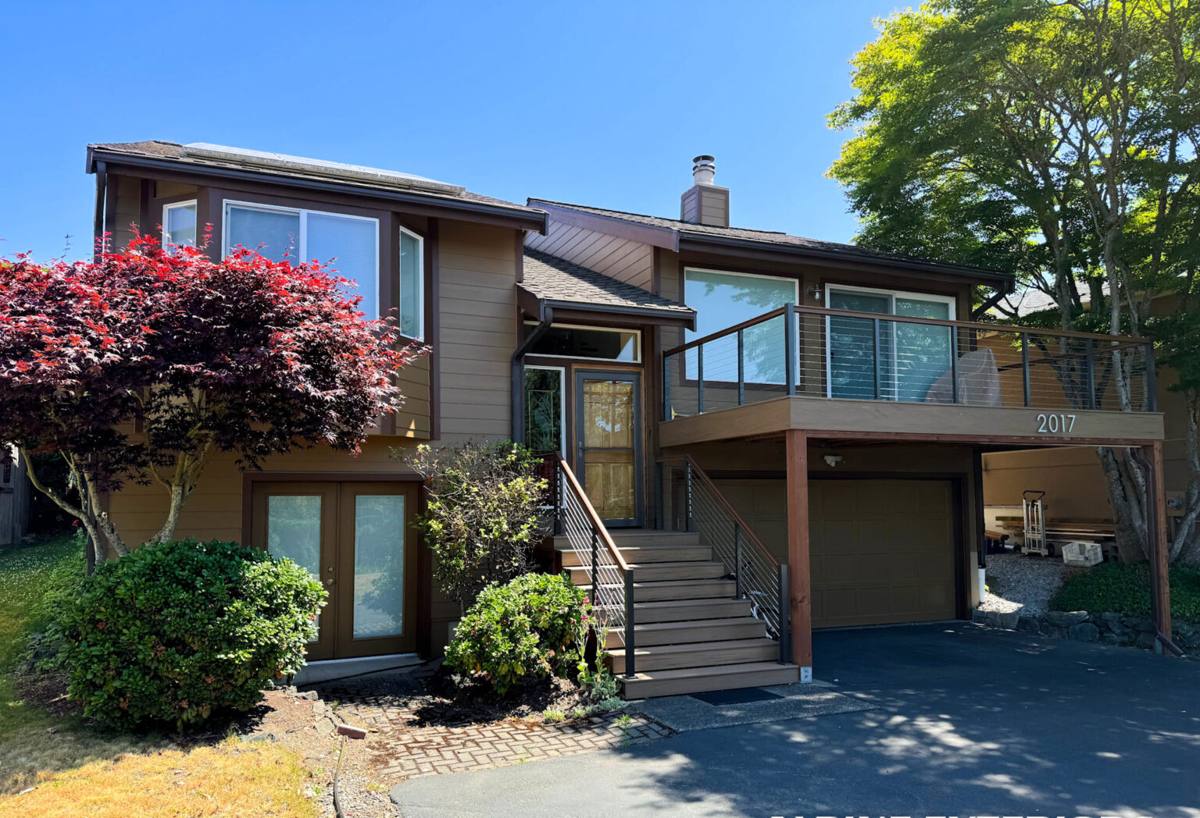
What Local Weather Actually Does to a Shingle Roof
Driving Rain and Wind-Driven Water
Bellingham's rain rarely falls straight down. Wind off the bay pushes it sideways, which means water gets forced up under shingle tabs, around flashing, and into any gap that a fair-weather installation might get away with elsewhere. Roofs here need tighter seals at every penetration — vents, chimneys, skylights — and underlayment that's built to handle water that's trying to travel uphill under wind pressure, not just run downhill with gravity.
Salt Air and Metal Fasteners
Proximity to the water means airborne salt settles on roofing surfaces and accelerates corrosion of exposed metal — nail heads, flashing edges, and lower-grade fasteners in particular. Over years, corroded fasteners lose their grip and flashing seams can weaken faster than the shingles above them, which is why fastener and flashing material choice matters more here than it would further inland.
Moss, Algae, and a Long Wet Season
Whatcom County's moss season stretches for much of the year. Shaded roof sections, north-facing slopes, and areas under overhanging trees stay damp long enough for moss and algae to take hold. Moss isn't just cosmetic — its root structure lifts shingle edges, holds moisture against the roof deck, and accelerates granule loss. Left unaddressed, a mossy roof ages faster than a clean one, even if the shingles themselves are a good product.
Choosing the Right Shingle for This Neighborhood
Not every asphalt shingle product performs the same way under these conditions. The table below outlines how the common shingle classes stack up for a Happy Valley home specifically.
| Shingle Type | Typical Lifespan | How It Handles Local Conditions |
|---|---|---|
| 3-tab asphalt | 15-20 years | Lower cost but less wind resistance; seams and tabs are more exposed to wind-driven rain |
| Architectural / laminate | 25-30 years | Heavier, better wind rating, more surface texture that sheds water and resists moss intrusion at the edges |
| Algae-resistant (copper/zinc granule) laminate | 25-30 years | Best fit for shaded, damp sections common in this area; slows algae and moss growth |
| Impact-rated laminate | 25-30 years | Added durability for storm debris; useful on homes near mature trees |
For most Happy Valley homes, we recommend architectural laminate shingles with algae-resistant granules, especially on any roof plane that sits in shade for a significant part of the day. The upfront cost difference over standard 3-tab is modest compared to the added years of service life in this climate.
What a Correct Installation Actually Involves
The shingle itself is only part of the system. A roof that performs well in wind-driven rain and long wet seasons depends on everything underneath and around it being done correctly.
Underlayment and Ice/Water Barrier
We use synthetic underlayment rated for the full roof field, with self-adhering ice and water shield at vulnerable spots — eaves, valleys, and around penetrations — where wind-driven rain is most likely to force water backward under the shingles.
Flashing
Corrosion-resistant flashing at chimneys, sidewalls, valleys, and roof-to-wall transitions is non-negotiable this close to salt air. We don't reuse old flashing on a re-roof unless it's in genuinely sound condition — new flashing is cheap insurance against a leak that would otherwise show up years later, hidden behind a wall or ceiling.
Ventilation
Proper intake and exhaust ventilation keeps the attic space dry and temperature-balanced, which reduces condensation on the underside of the roof deck. In a climate this damp, poor ventilation is one of the most common hidden causes of premature deck rot and shingle failure from underneath.
Nailing Pattern and Fastener Quality
Correct nail placement (not staples, not overdriven or underdriven nails) combined with corrosion-resistant fasteners keeps shingles secure through wind events and prevents the early fastener failure that salt air can cause with lower-grade hardware.
Our Process for a Happy Valley Roofing Project
1. On-Site Inspection
We walk the roof and attic, checking deck condition, ventilation, existing moss or algae growth, flashing condition, and any signs of past leaks. We also look at tree cover and shading, since that affects both moss risk and shingle selection.
2. Honest Repair-vs-Replace Assessment
Not every roof needs full replacement. If the deck is sound and the issue is localized — a section of damaged shingles, failed flashing, or moss buildup — we'll say so. We'll also tell you plainly when a roof is past the point where repair makes financial sense.
3. Tear-Off vs. Overlay
We generally recommend a full tear-off rather than layering new shingles over old. Overlaying traps moisture, hides deck problems, and voids many manufacturer warranties. In a climate where moisture management is everything, starting with a clean, inspected deck is worth the extra step.
4. Installation
Deck repair as needed, underlayment and ice/water barrier, new flashing, shingle installation to manufacturer spec, and ventilation check — done in the sequence and detail described above.
5. Final Walkthrough
We walk the finished roof and the property with you, including gutter and downspout function, before calling the job complete.
Maintenance That Actually Extends Roof Life Here
A well-installed shingle roof in Happy Valley still needs seasonal attention given how long moss season runs and how much rain the roof handles annually.
- Clear moss and organic debris from shaded roof sections at least once a year, ideally before the wet season builds up
- Keep gutters and downspouts clear so water isn't backing up under the roof edge
- Trim back tree limbs that keep sections of the roof shaded and damp
- Check flashing around chimneys and vents periodically for signs of corrosion or lifting
- Address small leaks or lifted shingles promptly — a small fix now is cheaper than deck repair later
- Have the attic checked occasionally for proper airflow and signs of condensation
Zinc or copper strips near the ridge can help slow future moss growth on a new roof, and we're happy to discuss whether that's worth adding on your specific roof layout.
What Affects the Cost of a Shingle Roof in This Area
Every roof is different, and we don't quote sight-unseen. The factors below are the ones that typically move the price up or down for a project in this neighborhood.
| Factor | Why It Matters |
|---|---|
| Roof pitch and complexity | Steeper roofs and more valleys/hips take longer and require more safety setup |
| Number of existing layers | Tear-off of multiple old layers adds labor and disposal cost |
| Deck condition | Rotten or soft decking found underneath needs replacement before new shingles go on |
| Shingle class chosen | Algae-resistant and impact-rated products cost more than standard 3-tab |
| Flashing and ventilation work | Extensive flashing replacement or added ventilation increases scope |
| Access and site conditions | Tree cover, steep lots, or limited staging space can affect labor time |
As a broad range, most full asphalt shingle re-roofs on a typical single-family home run from the mid-single-digit thousands to the low-to-mid five-figure range, depending on the factors above. We'll give you specifics after seeing the roof in person — not a number pulled out of thin air.
Why a Crew That Already Works Happy Valley Matters
Roofing crews who work regularly in this part of Whatcom County already know how local conditions behave — which roof orientations hold moisture longest, how much wind exposure a given elevation or lot typically sees, and what flashing and fastener choices hold up over time near the water. That familiarity translates into fewer surprises during the project and fewer callbacks after it. It also means we're a known, reachable local business if a question comes up after the job is done — not a crew that drove in from out of the area for one job and moved on.
Manufacturer Warranties and What They Actually Cover
Asphalt shingle manufacturers offer material warranties, and many offer enhanced warranties when the roof is installed by a certified or trained installer using their full system — matched underlayment, starter strip, and ridge cap products. We follow manufacturer installation specifications closely, both because it's the right way to build a roof and because it's usually what's required to keep an enhanced warranty valid. We'll walk you through what's covered, what voids coverage, and what a workmanship warranty from our crew adds on top of that before you sign anything.
Ready to Talk About Your Roof?
If you're in Happy Valley and dealing with moss buildup, an aging roof, or you just want an honest read on how many years you have left before replacement makes sense, we're glad to take a look. Request a free, no-pressure estimate using the form below and we'll walk you through what we see and what your realistic options are.