 Bellingham Roofing
 Why Bellingham Roofs Take More Punishment Than People Expect
Homeowners moving to Bellingham from drier parts of the country are often surprised by how hard the local climate is on a roof. It isn't dramatic weather — no hailstorms, no hurricanes — but it's relentless. Salt-laden air off Bellingham Bay and the Strait of Georgia accelerates corrosion on fasteners and metal flashing. Driving rain, often pushed sideways by wind off the water, finds any weak point in a roof's underlayment or flashing details. And the long, wet moss season that stretches from fall through spring lets organic growth take hold on north-facing slopes and shaded valleys, trapping moisture against the roofing material long after the rest of the roof has dried out.
None of this means Bellingham roofs fail faster than roofs elsewhere. It means they need to be installed and maintained by someone who actually understands these specific stresses — not a generic install job copied from a drier climate. That's the lens to use when you're evaluating a roofing contractor: do they talk about ventilation, ice-and-water shield placement, and moss management like it's routine, or does it sound like an afterthought?
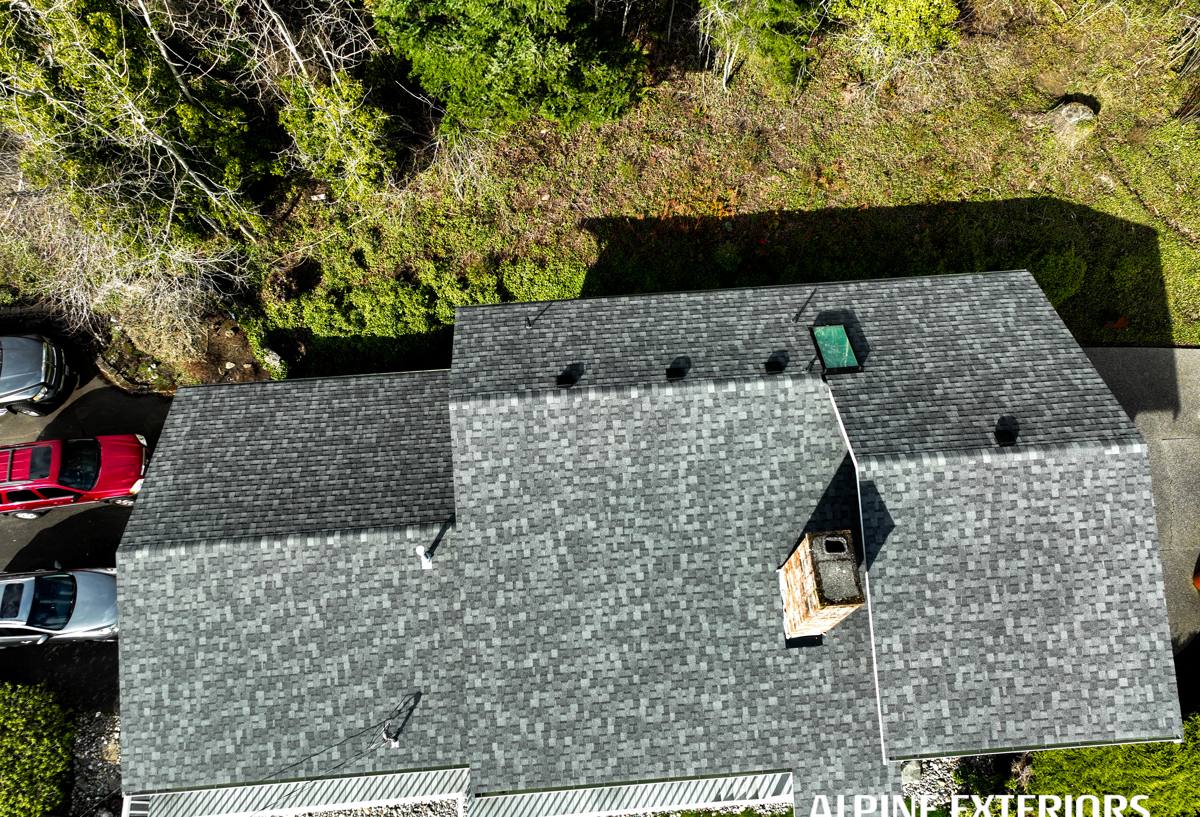
Start With Licensing, Bonding, and Insurance
In Washington, any contractor performing roofing work must hold an active contractor registration through the Department of Labor & Industries (L&I). This isn't optional paperwork — it's the baseline that separates a legitimate business from someone working out of a truck with a magnetic sign. Before you let anyone on your roof, confirm three things:
- An active Washington L&I contractor registration number, which you can verify directly on the L&I website
- A current bond, which protects you if the contractor fails to complete the work or pay subcontractors
- General liability insurance, and ideally proof of workers' compensation coverage for their crew
Ask for the registration number and check it yourself rather than taking a business card at face value. A contractor who bristles at this request, or who can't produce documentation quickly, has already told you something important about how they run their business.
Local Presence Matters More Than It Seems
Whatcom County sees a wave of out-of-town and even out-of-state crews after any significant windstorm, offering fast turnarounds and aggressive pricing. Some are legitimate traveling crews doing honest work. Others show up after a storm, sign as many contracts as possible, and are gone before warranty issues surface. A contractor with a permanent local address, a track record in Bellingham specifically, and a phone number that gets answered next spring is worth more than a slightly lower bid from a company you can't find in six months.
What a Written Estimate Should Actually Include
A trustworthy estimate is detailed enough that you could hand it to a different contractor and get an apples-to-apples comparison. Vague, one-line quotes ("reroof house — $14,000") make it nearly impossible to know what you're paying for, and they're a common source of disputes once work begins.
| Estimate Line Item | Why It Matters |
|---|---|
| Tear-off scope (how many layers, disposal method) | Determines labor cost and whether hidden deck damage will be found |
| Decking repair allowance | Rotted or delaminated sheathing is common under old roofs here; you want a per-sheet price agreed in advance, not a surprise change order |
| Underlayment and ice-and-water shield placement | Proper coverage at eaves, valleys, and penetrations is what actually stops wind-driven rain intrusion |
| Ventilation plan (intake and exhaust) | Poor attic ventilation traps moisture, which shortens roof life and feeds moss and mold |
| Flashing details (chimneys, skylights, walls) | Most leaks originate at flashing, not in the field of the roof |
| Material brand, line, and color | Confirms you're getting what was quoted, not a substitute product |
| Warranty terms (manufacturer and workmanship) | Clarifies who is responsible for what, and for how long |
| Cleanup and magnetic nail sweep | Protects kids, pets, and vehicle tires from stray fasteners |
If a bid is missing several of these, it's not necessarily dishonest — but it does mean you're comparing incomplete information, which makes the "lowest price" often look better than it actually is once the gaps get filled in later.
Materials That Hold Up in Whatcom County Weather
There's no single "best" roofing material for every home — the right choice depends on your roof pitch, your home's style, your budget, and how much long-term maintenance you're willing to do. What matters locally is how a material performs under sustained moisture and moss pressure, not just how it looks on a sunny day.
| Material | Typical Lifespan Here | Moss/Moisture Behavior | Relative Upfront Cost |
|---|---|---|---|
| Asphalt composition shingle | 20–30 years | Algae-resistant (AR) shingles with copper or zinc granules resist moss better than standard shingles | Low–Moderate |
| Standing seam metal | 40–60 years | Sheds water and moss spores fast; needs marine-grade fasteners and coatings near the water to resist salt corrosion | Moderate–High |
| Cedar shake/shingle | 20–30 years with upkeep | Handsome but moisture-sensitive; requires regular treatment and ventilation to avoid rot in our wet season | High |
| Torch-down/membrane (low-slope) | 15–25 years | Used on low-pitch additions and porches; seam quality is the deciding factor in leak resistance | Moderate |
We're honest with customers about trade-offs rather than steering everyone toward the highest-margin product. Cedar, for example, looks great and suits certain older Bellingham homes, but it demands a maintenance commitment that not every homeowner wants to take on. A contractor who only ever recommends one material regardless of the house or the budget is worth a second question about why.
Questions to Ask Before You Sign Anything
- Can you provide your L&I registration number and current insurance certificates?
- Who will actually be on the roof — your own crew, or subcontractors?
- What's your plan for attic ventilation, not just the shingles themselves?
- How do you handle discovering rotted decking mid-project, and what's the per-sheet cost?
- What's covered under the workmanship warranty, and for how long?
- Will you pull the required city or county building permit, or is that on me?
- How do you protect landscaping, gutters, and siding during tear-off?
- Can you provide addresses of past Bellingham-area projects I could drive by?
A contractor who answers these clearly and without hesitation is showing you how they'll communicate during the actual project — which matters more than almost anything in the sales pitch.
Warranties: What the Fine Print Actually Covers
Roofing warranties come in two layers, and homeowners often assume they're the same thing. The manufacturer's material warranty covers defects in the shingles, metal, or membrane itself — it does not cover a leak caused by poor installation. The workmanship warranty, provided by the contractor, covers installation errors — flashing mistakes, nailing patterns, ventilation gaps — for a period the contractor sets, commonly somewhere between two and ten years depending on the company and scope of work.
Ask specifically what triggers a warranty claim, whether it's transferable if you sell the home, and whether routine moss or debris buildup voids coverage. Some manufacturer warranties require documented periodic maintenance, which matters in a climate where moss and needle litter accumulate quickly under the trees common throughout Whatcom County.
Watch for Storm-Chaser and Pressure-Sale Tactics
After a windstorm knocks branches loose or lifts a few shingles, it's common for door-to-door crews to appear offering a "free inspection" that conveniently finds major damage requiring immediate signature. Some of these visits are legitimate. Many are not. A few habits worth avoiding:
- Signing a contract the same day, before getting a second opinion or checking references
- Handing over a large deposit before any work or material delivery has occurred
- Working with a contractor who pushes you to file an insurance claim before an independent assessment confirms storm damage
- Accepting a verbal-only agreement with no written scope of work
A reroof is one of the largest single expenses a homeowner takes on. Taking a few extra days to compare bids and check credentials rarely costs you anything meaningful, and it's the single best protection against a bad outcome.
What a Typical Reroof Timeline Looks Like
Most single-family reroofs in the Bellingham area, once scheduled, take somewhere between one and four days of active work depending on roof size, pitch, and whether decking repairs are needed. Weather is the biggest variable — a stretch of steady rain can push a project back, and a responsible contractor will delay a tear-off rather than leave a home's interior exposed to a wet forecast. Ask upfront how your contractor handles weather delays and whether the home is tarped or otherwise protected if work has to pause mid-project.
Getting Bids the Right Way
Three bids is a reasonable target — enough to see a real price range without dragging the decision out for weeks. Give each contractor the same information and ask for the same level of detail in return, using the estimate checklist above. Be cautious of a bid that comes in dramatically lower than the others; it usually means something is being left out, whether that's decking allowance, ventilation work, or permit costs, and you'll likely see it show up as a change order later.
If you'd like a straightforward, no-pressure look at your roof's condition and a written estimate that spells out exactly what's included, we're happy to take a look. There's no obligation — just a clear picture of where things stand and what your options are, using the form below.