 Bellingham Roofing
 Exterior Contracting Built for South Hill's Terrain and Weather
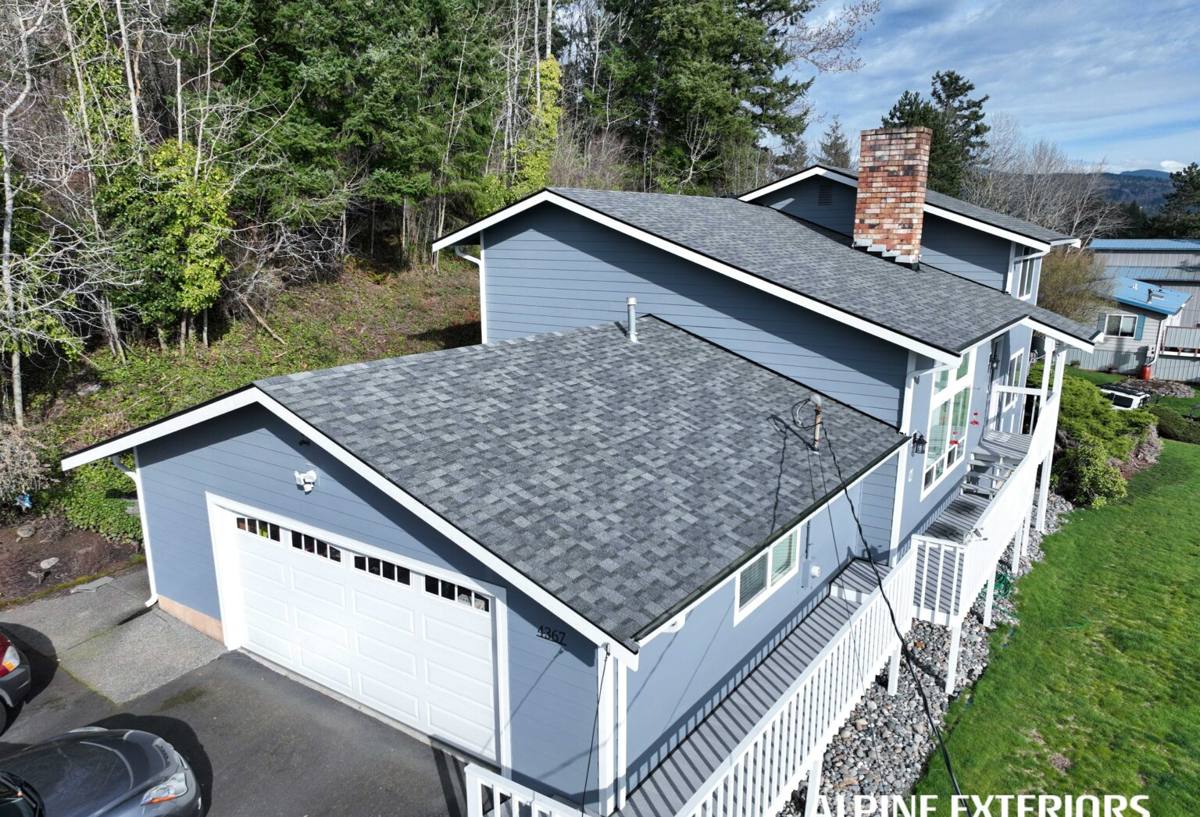
South Hill sits up on the hillside above downtown Bellingham, and that elevation cuts both ways. Homeowners get some of the best views in Whatcom County, but they also get more direct exposure to wind coming off Bellingham Bay, steeper driveways and rooflines to work around, and mature tree canopy that drops needles and leaves onto roofs and gutters year-round. We've worked on homes throughout this neighborhood long enough to know that a roof or siding job here isn't quite the same as one down in the flats near the waterfront or out toward the county line. The slope of a lot changes how we stage equipment. The tree cover changes how often a roof needs to be checked for moss and debris buildup. And the age mix of housing stock — a lot of older homes alongside newer infill construction — means every job starts with an honest look at what's actually there, not an assumption based on the house next door.
What Bellingham's Climate Does to Homes on South Hill
Whatcom County weather is persistent rather than extreme, and that's actually the harder thing to build for. It's not one big storm that causes damage here — it's months of low-intensity rain, damp air, and short winter days that never fully dry a roof or a wall out between weather systems.
Salt Air and Wind Exposure
Because South Hill is elevated and open to views of the bay, homes here catch more wind-driven moisture than sheltered lots closer to sea level. Salt-laden air accelerates corrosion on exposed metal fasteners, flashing, and gutter hardware faster than inland exposure does. It's not dramatic, but it's steady — the kind of wear that shows up as rust streaks and loosening hardware years before the roofing material itself is due for replacement.
Driving Rain
Wind off the water doesn't just bring rain straight down — it pushes it sideways into siding laps, window trim, and roof-to-wall transitions. Any gap, undersized flashing, or aging caulk joint becomes an entry point. This is why we pay close attention to how water is meant to shed at every transition on a South Hill home, not just whether the field material looks fine from the ground.
Moss Season
Bellingham's long, wet, mild winters are close to ideal growing conditions for moss, and a hillside lot with mature trees adds shade that keeps roof surfaces damp longer between dry spells. Moss holds moisture against the roofing material, works its way under shingle tabs, and can lift edges enough to let water in. On tree-shaded South Hill lots, moss isn't a once-in-a-while problem — it's a recurring maintenance item that needs to be managed on a schedule, not just addressed after it's visibly taken over.
Roofing Services for South Hill Homes
We handle the full range of roofing work: full replacements, repairs, moss treatment and removal, gutter and downspout work, and flashing repair around chimneys, skylights, and roof-wall intersections. On a hillside neighborhood like this, access and staging matter as much as the roofing work itself — steep driveways and tight side yards mean we plan equipment placement and material staging before we ever start tearing anything off.
Signs a South Hill Roof Needs Attention
- Moss or dark streaking concentrated on the shaded, tree-covered sections of the roof
- Granule buildup in gutters or at the base of downspouts
- Curling, lifting, or missing shingle tabs, especially on wind-exposed slopes facing the bay
- Rust staining around metal flashing, vents, or fasteners
- Soft spots, sagging, or visible daylight in the attic near roof-wall transitions
- Water stains on interior ceilings, particularly after a stretch of wind-driven rain
Siding Built to Handle Sideways Rain
Siding on an elevated, wind-exposed lot has to do more than look good — it has to keep moving water out at every seam, corner, and penetration. We install fiber cement and other durable siding systems chosen for how they perform under sustained damp conditions rather than for how they photograph on a sunny day. That means proper rain-screen gapping where it's called for, correctly lapped and sealed trim, and flashing details at windows and doors that actually account for wind-driven moisture instead of relying on caulk alone. Caulk fails. Good flashing and lap sequencing don't depend on caulk holding forever.
We're careful about which products we put our name behind. Some siding systems look fine on day one but have known maintenance burdens in a wet climate — repainting cycles, moisture-trapping details, or installation sensitivity that punishes even small crew errors. Our standard is to recommend what holds up over a Whatcom County winter after winter, not just what's cheapest to install.
Windows: Sealing the Weak Points
Old, single-pane or poorly sealed windows are one of the biggest sources of both energy loss and water intrusion on older South Hill homes. When we replace windows, we're not just swapping glass — we're rebuilding the flashing and sealing detail around the rough opening so wind-driven rain has nowhere to get behind the trim. On a lot exposed to bay winds, that detail work matters more than the window brand printed on the label.
Decks That Survive a Wet Climate
A deck on a hillside lot deals with more than foot traffic — it deals with standing moisture on ledger boards, shaded areas that never fully dry, and structural connections that need real flashing, not just fasteners. We build and repair decks with attention to ledger flashing, proper drainage away from the house, and materials that handle sustained dampness without rotting out from underneath. A deck that looks solid on top can still be failing structurally at the ledger board or support posts if that connection wasn't flashed correctly to begin with.
Comparing Common Exterior Projects
| Project | Typical Trigger on South Hill | Rough Cost Factor |
|---|---|---|
| Roof moss treatment & cleaning | Shaded, tree-covered roof sections holding moisture | Lower cost, recurring maintenance item |
| Roof repair (localized) | Flashing failure, isolated shingle damage, gutter backup | Moderate, scoped to the affected area |
| Full roof replacement | Roofing material past its service life or widespread damage | Higher, driven by roof size, pitch, and access |
| Siding repair | Localized water intrusion or damaged panels near penetrations | Moderate, depends on extent and matching material |
| Full siding replacement | Widespread moisture damage or aging original siding | Higher, driven by square footage and detailing |
| Window replacement | Single-pane, drafty, or leaking window units | Priced per opening; varies with size and access |
| Deck rebuild or repair | Rot at ledger board, soft decking, failing rail posts | Depends on structural scope versus surface repair |
These are general factors, not quotes. Every South Hill property is different — lot slope, tree cover, age of the home, and prior repair history all shift where a project lands on that scale. That's why we look at the actual house before putting a number on anything.
Why a Local Crew Matters on a Neighborhood Like This
A crew that only works in dry inland climates tends to under-detail flashing and rain-screen gaps because they've never had to answer for what happens after a real Pacific Northwest winter. Working across Whatcom County day in and day out means we see the same failure patterns repeat on homes with the same exposure — bay-facing wind, shaded roof sections, hillside drainage — and we build against those patterns as a matter of habit, not as an afterthought. We also know the practical side of working on South Hill specifically: navigating tight or steep access, protecting mature landscaping during a project, and scheduling around the wetter stretches of the year so materials aren't installed in conditions that compromise the work.
Maintenance That Actually Fits This Climate
A Practical Seasonal Checklist
- Clear gutters and downspouts at least twice a year, more often on lots with heavy tree cover
- Check shaded roof sections for early moss growth before it spreads across the field
- Inspect caulk and sealant at window and door trim annually — it's a wear item, not a one-time fix
- Look at deck ledger boards and support posts for soft spots or discoloration each spring
- Walk the roofline after any major windstorm to check for lifted shingles or displaced flashing
- Keep tree branches trimmed back from the roofline to reduce shade, debris, and moss pressure
None of this replaces a professional inspection, but staying on top of these basics slows down the kind of gradual damage that turns a small repair into a full replacement.
Get a Straightforward Look at Your South Hill Home
If you're dealing with moss buildup, a leak you can't pin down, drafty windows, or a deck that's starting to feel soft underfoot, the best first step is a plain, honest look at what's actually going on — not a sales pitch. We offer free, no-pressure estimates for roofing, siding, window, and deck work throughout South Hill and the rest of Bellingham. Use the form below to get started, and we'll walk the property with you and lay out what we see in plain terms.