 Bellingham Roofing
 Roofing in Cordata: Built for a Wet, Mossy Climate
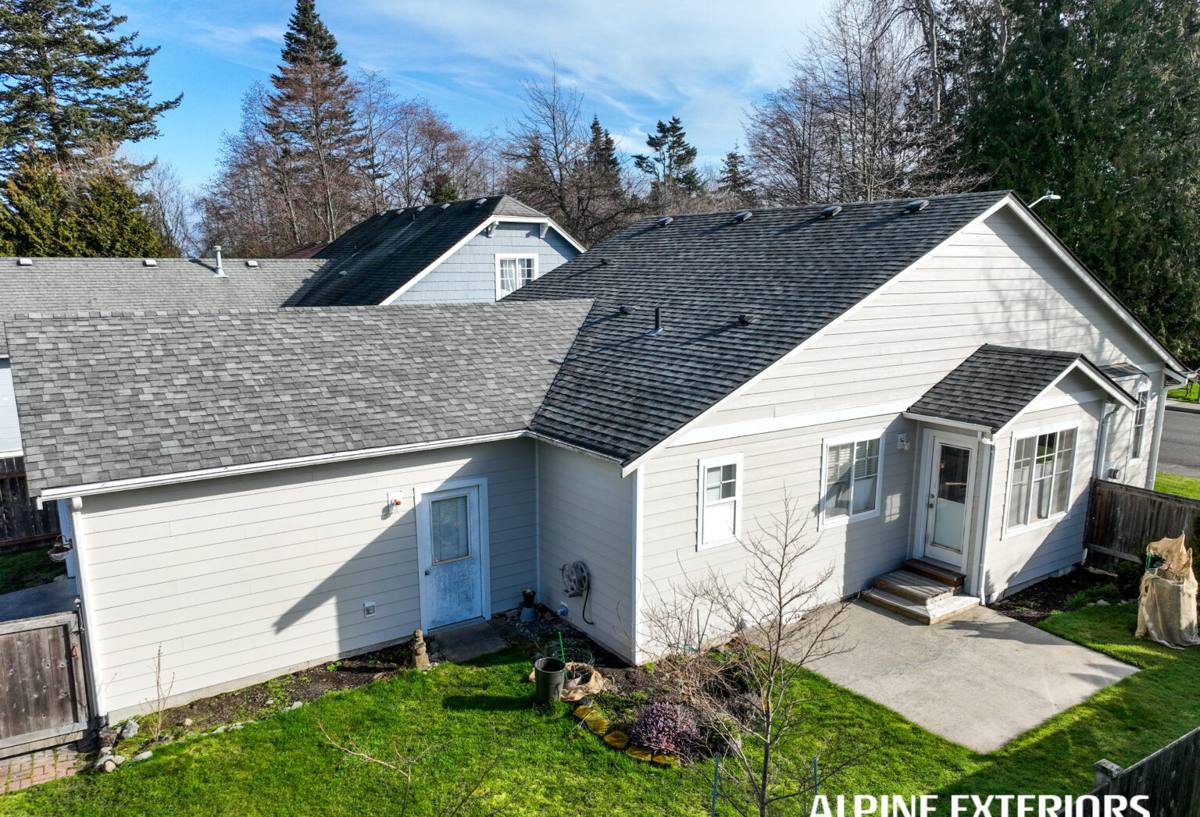
Cordata sits in north Bellingham, one of the newer growth areas in the city with a mix of recently built subdivisions, multi-family housing, and older homes tucked in among them. Whatever the age of the house, the roof over it is dealing with the same thing every roof in Whatcom County deals with: a long, wet fall and winter, mild but humid summers, and tree cover that keeps moisture sitting on the roof deck longer than most homeowners realize. We work on roofs throughout Cordata and the surrounding north Bellingham neighborhoods, and the patterns we see here are consistent enough that we can usually tell a lot about a roof's condition before we even climb the ladder.
What the Regional Climate Actually Does to a Roof
Bellingham's marine climate means moisture is a near-constant presence, even when it isn't actively raining. Salt-laden air off the Puget Sound and Bellingham Bay travels further inland than people expect, and it accelerates corrosion on exposed metal — flashing, fasteners, gutters, and vents in particular. Add in driving rain that comes sideways during winter storms, and you get water intrusion at points a roof would otherwise shed cleanly: under shingle tabs, around vent boots, and at valley intersections where wind pushes water uphill instead of down.
Then there's moss. Whatcom County's combination of shade, humidity, and mild temperatures is close to ideal moss-growing conditions, and Cordata's tree-lined streets and mature landscaping only add to it. Moss isn't just cosmetic — it holds water against the roofing material, lifts shingle edges as it grows, and works its way under flashing over time. A roof that looks "a little green" in September is often further along in moisture damage than it looks from the ground.
Signs a Cordata Roof Needs Attention
- Moss or dark algae streaking, especially on north-facing slopes that stay shaded most of the day
- Granule buildup in gutters or downspouts, a sign asphalt shingles are wearing thin
- Soft spots or noticeable sagging when walked on or viewed from an attic
- Rusting or lifted flashing around chimneys, skylights, and roof-to-wall transitions
- Water stains on interior ceilings, especially after a stretch of heavy rain
- Shingles that are curling, cracking, or missing after a windstorm
- Daylight visible through the roof deck from inside the attic
None of these on their own always means a full replacement is needed. Sometimes it's a repair — flashing resealed, a section of shingles replaced, moss treated and the roof cleaned. We'll tell you honestly which category a given roof falls into rather than defaulting to the most expensive answer.
Roofing Materials That Hold Up in This Climate
Asphalt Composition Shingles
Still the most common roofing material in this part of Whatcom County, and for good reason — modern architectural shingles handle wind and rain well, come with algae-resistant granule options that slow moss and moss-staining, and are the most budget-friendly option upfront. The tradeoff is that shingle roofs need more attention to moss and gutter maintenance over their life than some other materials, and their lifespan is shorter than metal or the better synthetic products.
Metal Roofing
Standing seam and metal panel roofing sheds water and moss more effectively because there's no textured surface for organic growth to grip. It handles driving rain well and holds up under the county's occasional windstorms. The upfront cost is higher, and we're careful about fastener and flashing details in coastal-influenced air, since metal roofing lives or dies on the quality of its penetration details, not just the panels themselves.
Synthetic and Composite Roofing
Newer synthetic shake and slate-style products can offer a longer service life and a different look than shingles, with better resistance to moisture cycling. We evaluate these case by case — not every product on the market has a long enough track record in a wet marine climate for us to stand behind it, and we'll say so plainly if we think a particular option isn't a good fit for a specific roof.
| Material | Typical Lifespan | Moss/Moisture Resistance | Relative Upfront Cost |
|---|---|---|---|
| Asphalt Shingle (standard) | 15–20 years | Moderate; needs regular moss control | Lowest |
| Asphalt Shingle (algae-resistant, architectural) | 20–30 years | Better; slows moss/algae staining | Low–Moderate |
| Metal (standing seam/panel) | 40–50+ years | High; sheds moisture, resists moss | High |
| Synthetic composite | Varies by product | Generally good; depends on manufacturer | Moderate–High |
Siding, Windows, and Decks — The Rest of the Exterior
A roof doesn't fail in isolation. In a climate like ours, the same rain and humidity that wear on a roof also work on the siding, window seals, and any exterior decking, and problems in one area often show up as damage in another. We handle all four — roofing, siding, windows, and decks — because on most Cordata homes, an honest exterior assessment touches more than just the roof.
Siding
Siding takes the brunt of driving rain and, closer to the water, salt air. We look for failed caulking at seams and trim, siding that's cupping or separating from the wall, and moisture trapped behind the surface — a common issue where roof drainage or gutter overflow has been dumping water against a wall for years without anyone noticing.
Windows
Older windows in this climate tend to show their age through fogged double-pane glass (a sign the seal has failed), drafts, and wood frame rot at the sill where water collects. Replacing failing windows also tightens up a home's overall moisture management, since a leaking window frame can send water into wall cavities the same way a roof leak sends it into an attic.
Decks
Uncovered decks in Whatcom County take a beating from year-round moisture. Ledger board attachment, proper flashing where the deck meets the house, and drainage underneath are the details that determine whether a deck lasts five years or twenty-five. We build and repair decks with the same attention to water management that we apply to roofs, because a poorly flashed deck ledger is one of the more common hidden rot sources we find on older homes.
Why a Local Crew Matters Here
Roofing and exterior work in Bellingham isn't the same job as it is in a drier climate. Timing matters — there's a real window between spring and early fall when roofing and exterior work can proceed without constant rain delays, and a crew that doesn't work this region regularly can misjudge that window or cut corners on weather protection to make up time. Local crews also know which details actually matter for Whatcom County homes: how far to extend kick-out flashing, how much ventilation an attic needs to avoid trapped moisture, and how aggressively to treat moss without damaging the roofing material underneath.
We also carry the practical knowledge of what permitting and code requirements apply in the City of Bellingham and unincorporated Whatcom County, which can differ depending on exactly where in Cordata a property sits relative to city limits. That's not a detail homeowners should have to sort out themselves.
Maintenance That Actually Extends Roof Life Here
- Clean moss and debris off the roof surface at least once a year, ideally before the wet season starts in fall
- Keep gutters and downspouts clear so water isn't backing up under the roof edge
- Trim back tree limbs that shade the roof and drop debris, since shade is what lets moss establish in the first place
- Have flashing around chimneys, vents, and skylights inspected every few years — these are the most common leak points, not the field of the roof itself
- Check the attic occasionally for signs of moisture, staining, or musty smell, which often show up before a ceiling stain does
- Don't pressure-wash a roof — it can strip granules and shorten shingle life; moss treatment and gentle removal are the safer approach
What to Expect From a Roof or Exterior Inspection
When we come out to a Cordata property, we're looking at the whole exterior system, not just the roof surface. That includes flashing details, attic ventilation and moisture, gutter condition, and how water is actually moving off the structure during a storm — not just how the roof looks from the driveway. We'll walk you through what we find, what's urgent versus what can be monitored, and what a repair versus replacement would realistically cost, without pressure to choose the bigger job if it isn't warranted.
Get a Free Estimate for Your Cordata Property
If you're dealing with a roof that's showing its age, siding that's starting to fail, windows that fog up every winter, or a deck that needs attention, we're happy to take a look and give you a straight answer — no pressure, no obligation. Use the form below to request a free estimate, and we'll get back to you to schedule a time that works.