 Bellingham Roofing
 Board & Batten Siding Built for Sunnyland's Wet, Shaded Lots
Sunnyland is one of Bellingham's older, more established residential neighborhoods, with the mature tree canopy and mixed-vintage housing stock that comes with that history. That combination shapes what a siding job actually has to survive here. Like the rest of Bellingham, Sunnyland sits close enough to Bellingham Bay that salt-laden air reaches exterior surfaces year-round, and Whatcom County's long, wet winters mean driving rain off the Salish Sea is a fact of life, not an occasional event. Add mature trees shading large stretches of siding for much of the year, and you get a moss season that can run from fall through spring rather than a few weeks in the shoulder seasons.
Board and batten is a popular look for the farmhouse, craftsman, and cottage-style homes common in neighborhoods like Sunnyland. It's also one of the least forgiving siding profiles when it's installed with the wrong material or the wrong technique, because it's built almost entirely out of vertical seams — and seams are where moisture gets in. This page covers what board and batten needs to hold up in Sunnyland specifically, what a correct installation looks like, and why we only install it in James Hardie fiber cement.
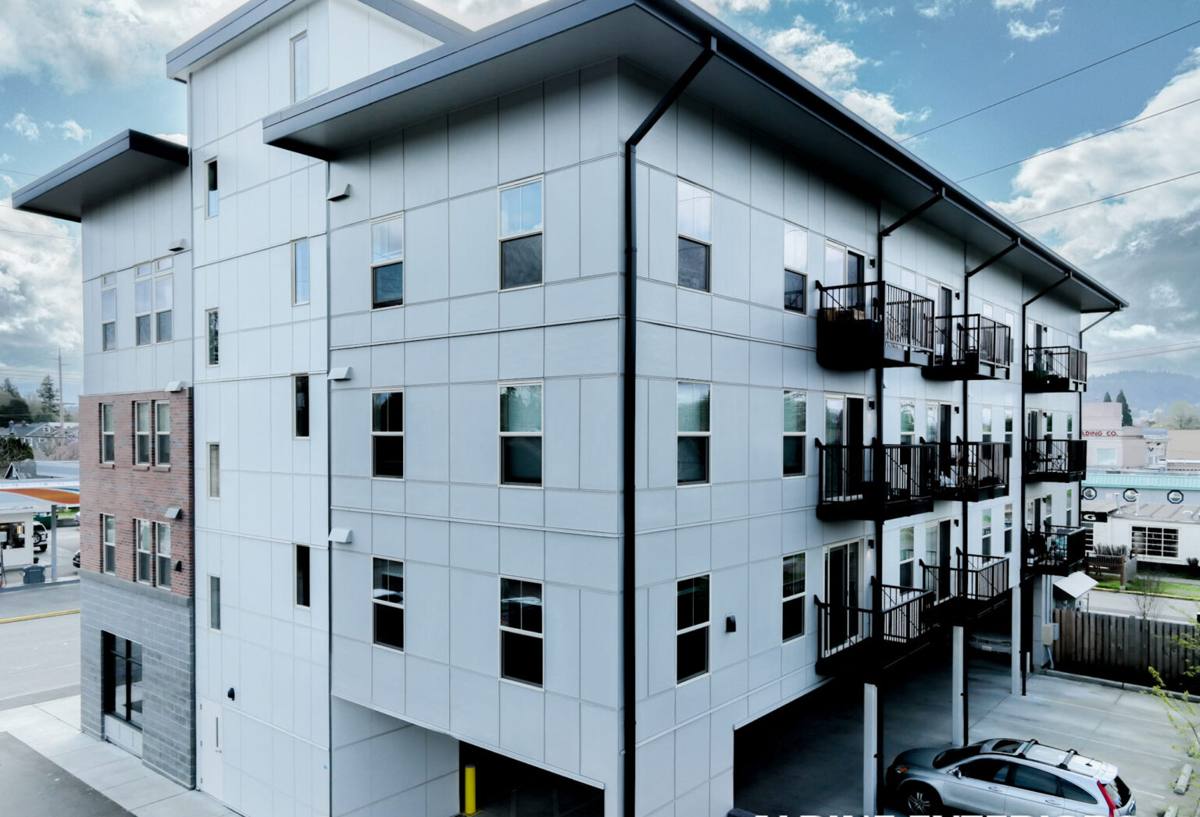
What Board and Batten Actually Is
Board and batten siding is a vertical siding pattern: wide flat boards (or panels) installed side by side, with narrower strips — the battens — covering the vertical joints between them. The result is a clean, linear look with strong shadow lines, very different from the horizontal lap siding most common on Pacific Northwest homes. It reads well on gables, dormers, entry accents, and full elevations alike, which is part of why it shows up so often as either a full-house treatment or an accent against horizontal siding on the same home.
The style itself is old — it goes back to simple wood plank construction where battens were a practical way to cover gaps between boards that would otherwise let wind and rain through. That history matters, because the same physics that made battens necessary two hundred years ago are exactly what determines whether a modern board and batten job holds up in a wet coastal climate like Bellingham's.
Why the Look Suits Sunnyland's Housing Mix
Sunnyland's blend of older cottages, mid-century homes, and newer infill construction gives board and batten a lot of room to work — as a full treatment on a farmhouse-style remodel, or as an accent on gables and porch details on a more traditional home. It's a style choice that photographs well and holds up visually over time, which is part of why we get asked about it regularly in this part of Bellingham.
The Seams Are the Whole Ballgame: Where Cheap Board and Batten Fails
Every vertical seam in a board and batten wall is a place where water can be driven sideways by wind — and Whatcom County gets plenty of horizontal, wind-driven rain off the Salish Sea. A correct installation manages that with proper overlaps, gaps, and drainage behind the boards. An incorrect one relies on caulk and paint film to keep water out, which works for a season or two and then starts failing exactly where you can't easily see it: behind the battens, at the bottom edges, and around window and door trim.
In a shaded, moss-prone neighborhood like Sunnyland, that failure mode accelerates. Moss and algae hold moisture against the siding surface far longer than open sun would, so any point where water can wick behind a board — a cracked caulk line, a swollen batten edge, a butt joint that wasn't flashed — stays wet longer and does more damage before it's visible from the ground. By the time paint is peeling or boards are visibly cupped, the substrate underneath has often been wet for a long time.
Why We Install James Hardie for Board and Batten — Not Wood, LP, or Vinyl
Board and batten is one of the profiles where material choice matters most, because it has more seams per square foot than almost any other siding pattern. We standardized on James Hardie fiber cement for every siding job we install, and board and batten is where that decision pays off the most.
Cedar and primed spruce board and batten look great on day one, but wood moves with moisture — it swells, shrinks, and cups, which opens gaps at exactly the seams that are supposed to stay tight. In a climate with Bellingham's rainfall and Sunnyland's shade, that movement cycle repeats constantly, and it shortens the life of paint film and caulk joints. LP SmartSide is an engineered wood product with a resin-treated strand substrate; it holds paint better than raw cedar, but it's still a wood-based product, and the seams and cut edges on a board and batten pattern are the most vulnerable points on any wood-based siding for moisture intrusion over time. Vinyl board and batten is low-maintenance but it's a thin, flexible material that can't hold the crisp, deep shadow lines the style is known for, and it has real limits in impact resistance and appearance longevity compared to fiber cement.
James Hardie fiber cement doesn't expand and contract with moisture the way wood does, so the seams stay dimensionally stable long after installation. It's factory-primed or comes with the ColorPlus baked-on finish, so the paint isn't relying on a job-site coat to survive its first winter. And it's non-combustible, which matters increasingly across Washington as wildfire-adjacent insurance and building requirements tighten.
| Material | Moisture / Moss Behavior | Maintenance | Typical Longevity |
|---|---|---|---|
| James Hardie fiber cement | Dimensionally stable; won't swell or cup at seams | Occasional wash; ColorPlus finish resists fading | Decades, per Hardie's product warranty terms |
| Cedar / primed spruce | Absorbs moisture; swells and cups at joints | Repainting and caulk maintenance every few years | Shorter, highly dependent on upkeep |
| LP SmartSide | Engineered wood; better than raw cedar but still moisture-sensitive at cut edges | Painted finish needs monitoring at seams and edges | Moderate, dependent on sealed edges and upkeep |
| Vinyl | Doesn't rot, but can't hold sharp shadow lines; flexes and can crack in impacts | Low, but limited repair options if damaged | Variable; appearance degrades with UV exposure |
What a Correct Board and Batten Installation Involves
Getting board and batten right isn't about the boards themselves so much as everything behind and between them. On a proper job, that includes:
- A weather-resistant barrier installed and lapped correctly behind the entire wall assembly, with all penetrations flashed
- A rainscreen or furring strip system in many applications, creating a drainage gap so any moisture that does get behind the siding can dry out instead of sitting against the wall sheathing
- Correct board and batten spacing and fastening patterns per the manufacturer's installation instructions, not a generic lap-siding approach adapted on the fly
- Proper gaps at the bottom of boards and battens for drainage, rather than boards run tight to grade or hard surfaces
- Flashing at every horizontal transition — window and door heads, trim boards, roof-to-wall intersections
- Factory-finished material wherever possible, so paint performance isn't dependent on job-site coating conditions
Skipping any one of these doesn't usually show up as a problem in year one. It shows up in year five or eight, as moisture damage that's expensive to find and expensive to fix because it's hidden behind finished siding.
Our Process for Sunnyland Board and Batten Projects
We start with an on-site assessment of the existing wall assembly, drainage conditions, and any moisture or moss issues already present — shaded, tree-covered lots common in Sunnyland often show more of this than sites with fuller sun exposure. From there we scope the underlying weather barrier and flashing work needed before a single piece of siding goes up, since that hidden layer determines how the finished product performs, not just how it looks.
Installation follows James Hardie's published fastening and clearance specifications for board and batten and vertical panel systems, including the drainage gap and bottom-clearance details that matter most in a climate like this one. We finish with a walk-through so you understand what was done behind the siding, not just what you can see from the curb.
Why Hire a Crew That Already Works in Sunnyland
Board and batten installed to spec looks the same on paper everywhere. What differs by neighborhood is the site conditions a crew has to account for — and a crew that already works Bellingham's older, tree-heavy neighborhoods has already dealt with the tight lot access, mature landscaping to protect, and mixed-vintage wall assemblies (balloon framing, older sheathing types, prior remodel layers) that come with homes of Sunnyland's era. That experience shows up in fewer surprises once the old siding comes off and the wall is actually exposed.
It also matters for permitting and code compliance specific to Bellingham and Whatcom County, and for scheduling around the region's wet-season weather windows so installation happens when conditions actually allow the weather barrier and siding to go on correctly rather than rushed between rain systems.
Maintenance and Long-Term Care
Even with a correctly installed, moisture-stable material, Sunnyland's shade and moss exposure mean board and batten siding benefits from periodic attention: a rinse to keep organic growth from establishing on the surface, a visual check of caulked joints at trim and penetrations, and prompt attention if landscaping starts crowding a wall and blocking airflow. None of this is heavy maintenance — it's the difference between siding that looks new for decades and siding that starts showing its age early because moisture had somewhere quiet to sit.
If you're weighing board and batten for a home in Sunnyland — a full replacement, an accent gable, or a remodel — we're happy to walk the property, look at what you're working with, and give you a straight answer on what it would take. Reach out for a free, no-pressure estimate using the form below.