 Bellingham Roofing
 Why Cordata Homes Put Extra Demands on Windows
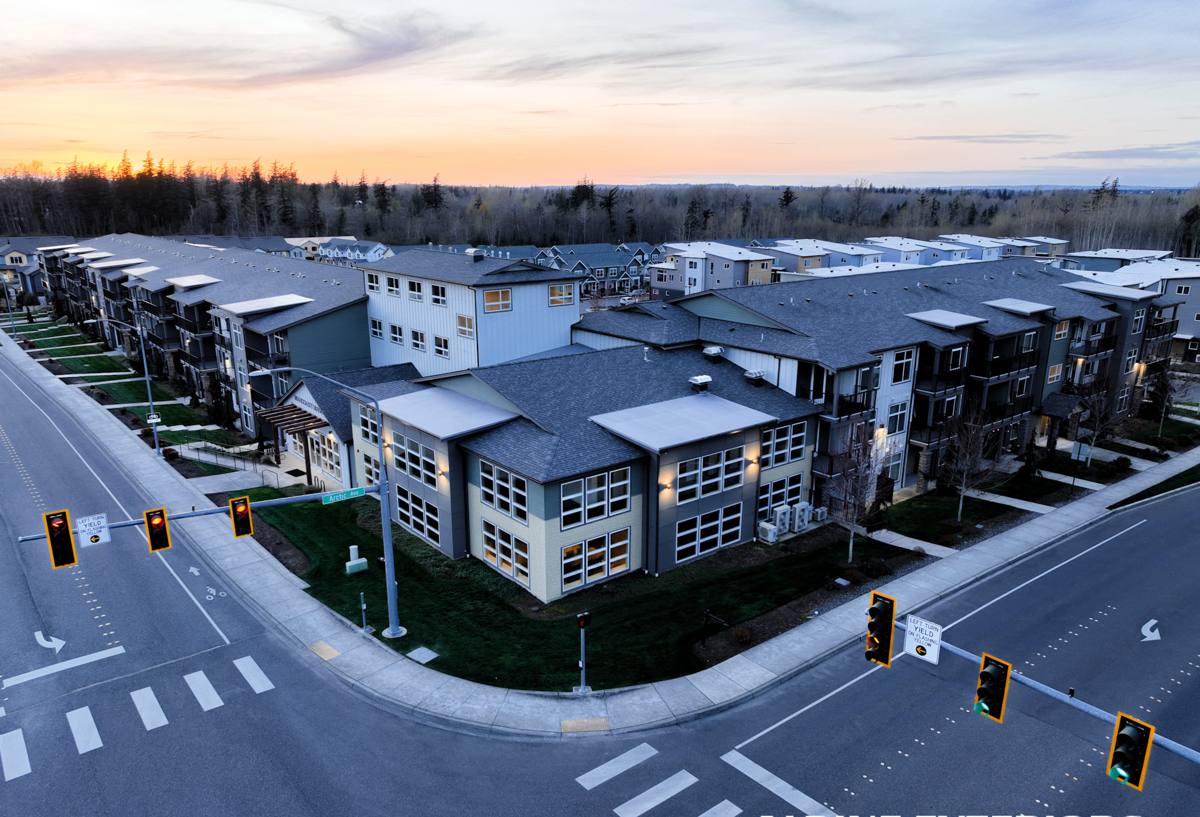
Cordata sits inland from Bellingham Bay, but it isn't shielded from what makes window performance a real issue here. Whatcom County gets a long, wet fall-through-spring stretch where driving rain hits window assemblies at an angle for days at a time, not just in short bursts. Add the salt-tinged air that moves in off the Sound and settles across the county, and you've got a combination that's harder on window hardware, seals, and frame finishes than most manufacturers' warranty language accounts for. Homes in Cordata built during different growth waves — from older ranch-style houses to newer construction near the growing commercial corridor — often have window units that were installed to a budget spec rather than a climate spec. That gap shows up as fogged glass, drafts, and rot around the frame well before the glass itself fails.
Energy efficiency in this climate isn't just about a lower heating bill, though that matters. It's about whether the window assembly can shed water fast, resist the slow creep of moisture into the wall cavity, and hold its seal through repeated wet-dry-wet cycles without the frame swelling, cracking, or corroding.
Signs Your Current Windows Are Underperforming
Most homeowners don't think about their windows until something is visibly wrong, but by then moisture damage may already be underway in the framing. Watch for these signs, especially on north- and west-facing windows that take the brunt of our weather:
- Fogging or a milky haze between panes — a sign the seal on a double- or triple-pane unit has failed and gas fill has escaped
- Cold drafts near the sash even when the window is fully latched
- Soft or discolored wood on the interior sill or exterior trim
- Difficulty opening, closing, or locking that wasn't there a year or two ago
- Visible corrosion or pitting on hardware, hinges, or aluminum frames
- Condensation forming on the inside of the glass regularly, not just on the coldest mornings
- A noticeable rise in heating costs without any change in usage habits
Any one of these on its own isn't necessarily an emergency, but two or more on the same window usually means the assembly is past the point where caulk and weatherstripping will fix it.
What "Energy-Efficient" Actually Means for This Climate
Glass and Glazing
Double-pane windows with a low-E coating and argon gas fill are the practical baseline for this region — they cut down radiant heat loss and reduce condensation risk on cold, humid mornings, which are common here. Triple-pane glass adds real value on north-facing walls or rooms that run cold, but it's a heavier unit and not always worth the added cost on every elevation of a house. We'll tell you honestly where triple-pane earns its keep on your home and where double-pane low-E does the job just as well.
Frame Material
Frame choice matters as much as the glass in a climate with this much sustained moisture exposure. The table below reflects our honest read on how common frame materials hold up locally — not manufacturer marketing claims.
| Frame Material | Moisture Resistance | Maintenance | Notes for Cordata |
|---|---|---|---|
| Vinyl | Good — won't rot or corrode | Low | Solid all-around choice; verify welded corners and reinforced sash on larger units |
| Fiberglass | Excellent — dimensionally stable, resists warping | Low | Higher upfront cost, holds up very well through wet-dry cycles |
| Wood (clad exterior) | Depends entirely on the cladding and seal quality | Moderate to high | Interior warmth is nice, but exterior wood needs a properly detailed clad or paint schedule to survive our rain |
| Aluminum | Prone to condensation and corrosion without thermal breaks | Moderate | We recommend thermally broken aluminum only, and rarely on window-heavy elevations facing weather |
Installation Details That Actually Determine Performance
A high-end window installed poorly will underperform a mid-range window installed correctly — this is the single most common mistake we see when replacing windows in older Cordata homes. The window unit itself is maybe half the equation. The other half is what happens at the rough opening.
Flashing and Water Management
Every window needs a drainage path so any water that gets past the sash has somewhere to go besides your wall cavity. That means correctly lapped flashing tape, a sloped sill pan, and weep holes or channels that stay clear. In a climate with as much driving rain as ours, skipping or rushing this step is how you end up with hidden rot two or three years down the road, long after the window itself looks fine.
Air Sealing Without Trapping Moisture
We seal the interior side of the window opening tightly to stop air leakage, but we deliberately leave the exterior detailing able to drain and dry. Sealing both sides completely traps any moisture that does get in, which is worse than leaving a small drainage path. This balance is easy to get wrong if a crew is used to fair-weather climates where it doesn't matter as much.
Fastening and Shimming
Windows need to be shimmed square and fastened per the manufacturer's schedule — not just caulked into an opening. An out-of-square install stresses the sash, which accelerates seal failure and makes the window harder to operate within a few years.
Our Process for a Cordata Window Replacement
- On-site assessment of each window opening, checking for existing moisture damage, framing condition, and how the current units are underperforming
- Honest recommendation on frame material and glass package based on the specific elevation, exposure, and your budget — not a one-size-fits-all upsell
- Removal of the old unit with a check of the rough opening and sill for rot or deterioration, addressed before the new window goes in
- Installation of sill pan flashing, properly lapped water-resistive barrier integration, and manufacturer-specified fastening
- Interior air sealing and trim work, with exterior caulking limited to the joints that should be sealed, not the ones that need to drain
- Final operation check — every window opens, closes, and locks smoothly before we call the job done
What Affects the Cost of Window Replacement
Every home is different, but these are the main variables that move the price on a typical Cordata project. We'll walk through your specific numbers during a free estimate rather than quoting blind.
| Factor | Why It Matters |
|---|---|
| Frame material | Vinyl, fiberglass, and clad-wood carry different material costs and labor time |
| Number and size of openings | Larger or custom-shaped windows cost more per unit and take longer to detail correctly |
| Condition of existing rough openings | Rot repair at the sill or framing adds labor beyond a straight window swap |
| Glass package | Triple-pane and specialty coatings add cost over standard low-E double-pane |
| Access and elevation | Second-story or hard-to-reach windows take more time and equipment |
| Trim and interior finish work | Matching existing trim profiles or repainting adds to the scope |
Why a Crew That Already Works in Cordata Matters
Window installation details that work fine in a dry climate can fail here within a few seasons. A crew that regularly works Whatcom County homes already knows which flashing sequence holds up against sustained driving rain, which frame materials are worth the extra cost given our salt-touched air, and how long the region's wet season actually runs when scheduling a project so caulk and sealants cure properly. That local pattern recognition is hard to get from a crew that mostly works drier inland climates, no matter how skilled they are in general.
It also means we're not guessing at what your neighbors' houses are dealing with — moss buildup on north-facing trim, sill rot from years of undersized flashing, hardware corrosion on older aluminum-frame units. We've seen the same patterns repeat across similar-era homes in this area, and that shapes how carefully we detail the install the first time.
Maintaining Your Investment
New windows still need a little attention to get their full service life out of them in this climate:
- Clear debris and moss from tracks and weep holes each fall before the rains pick up
- Rinse salt residue off hardware and frames periodically, especially on windows facing open exposure
- Check exterior caulking annually and touch up any cracked or separated joints
- Operate every window through its full range a few times a year so hardware doesn't seize
- Watch for early condensation or fogging between panes as an early warning sign, not something to ignore
If your Cordata home has windows that are drafty, fogged, or just past their reasonable service life, we're happy to take a look and give you a straightforward, no-pressure estimate — no obligation, just an honest read on what your home actually needs. The form below is the fastest way to get started.