 Bellingham Roofing
 Roof Repair Built for the York Neighborhood's Weather
Homes in the York neighborhood face a specific combination of conditions that most generic roofing advice doesn't account for: salt-laden air drifting in off the water, long stretches of driving rain, and a moss season that can run most of the year in Whatcom County's damp, shaded microclimates. A roof repair here isn't just about patching a leak — it's about understanding why that leak happened in the first place and fixing it in a way that holds up against the next ten winters, not just the next dry week.
We work on roofs throughout Bellingham, and York's mix of mature tree cover, older housing stock, and proximity to marine air means the repair calls we get from this area tend to follow a recognizable pattern. Knowing that pattern in advance is what separates a repair that lasts from one that reopens in eighteen months.
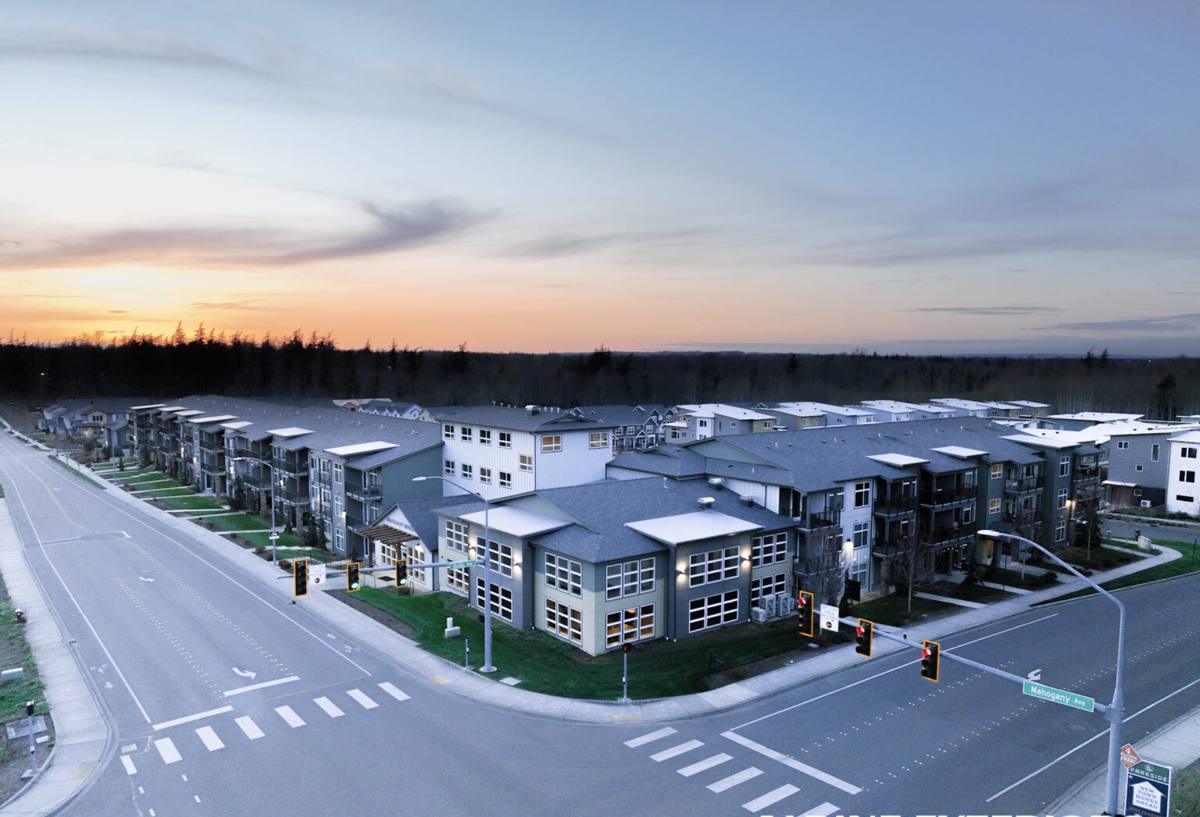
Why Local Roofs Fail Faster Than Homeowners Expect
Salt Air and Metal Fatigue
Bellingham's coastal position means airborne salt reaches roofs even several miles inland, accelerating corrosion on flashing, fasteners, and any exposed metal edges. Galvanized nails and untreated flashing show rust and pitting years before they would in a drier, inland climate. Once flashing corrodes, it stops shedding water the way it was designed to, and that's when leaks start at valleys, chimneys, and vent penetrations rather than in the open field of the roof.
Driving Rain and Wind-Driven Water
Rain in this part of Washington rarely falls straight down. Wind off the water pushes it sideways and up under shingle tabs, lap edges, and poorly sealed transitions. A roof that would stay watertight in calm rainfall can still leak here if the underlayment, laps, and flashing details weren't installed with wind-driven exposure in mind. This is one of the most common root causes we find behind interior stains that homeowners assumed were a simple, isolated leak.
Moss, Shade, and Moisture Retention
York's tree cover keeps a lot of roof surface in shade for large parts of the day, and shaded, damp surfaces are exactly what moss needs to establish. Moss doesn't just look bad — its root structure lifts shingle edges, holds water against the roof deck, and traps debris in valleys and gutters. A roof with an active moss problem is often losing its watertight seal well before any visible leak shows up inside the house.
What Roof Repair Actually Covers
"Roof repair" gets used loosely, so it's worth being specific about what falls under it versus what's really a replacement project. A repair addresses a defined, localized problem — a section of damaged shingles, a failed flashing detail, a soft spot in the decking, a clogged or damaged valley — without redoing the whole roof system. The goal is always the same: stop water intrusion at its actual source and restore the roof's ability to shed water the way it was originally designed to.
The trouble is that leaks are rarely as isolated as they look from the ground. Water travels along the underside of roofing material before it shows up as a stain on a ceiling, so the visible symptom and the actual failure point are often several feet apart. A repair that only addresses the visible symptom — say, caulking over a stain-adjacent area without finding the real entry point — tends to fail again within a season or two.
Common Repair Scenarios We See in This Area
- Cracked, curled, or wind-lifted shingles in exposed sections of the roof
- Corroded or improperly lapped flashing around chimneys, skylights, and roof-to-wall transitions
- Valley leaks caused by moss and debris buildup redirecting water under the roofing material
- Soft or spongy decking discovered after a slow leak has gone unnoticed for a season or more
- Failed pipe boots and vent seals, which are one of the most common leak points on any roof
- Gutter and edge-flashing damage from wind and ice that allows water to back up under the roofline
How We Diagnose and Repair a Roof
Step One: A Real Inspection, Not a Guess
We start on the roof itself, not just at the point of the visible leak. That means checking flashing, valleys, penetrations, and the general condition of the roofing material across the whole affected slope, since a single visible stain often has more than one contributing cause. We also check the attic or interior side where accessible, because moisture patterns on the underside of the decking tell us more about water's actual path than anything visible from the ground.
Step Two: An Honest Assessment
Once we know what's actually failing, we tell you plainly whether it's a straightforward repair, a repair that will buy several more years of service life, or a situation where the roof's overall condition means a patch is a short-term answer to a longer-term problem. We'd rather lose a small repair job to that honesty than have you call us back with the same leak next winter.
Step Three: The Fix
Repairs are done to match the existing roofing material and detail work as closely as possible, using flashing and fasteners suited to this area's marine exposure rather than the cheapest available hardware. Any moss or debris contributing to the failure gets cleared as part of the job, not left for the homeowner to deal with separately. Where decking has been compromised by long-term moisture, we replace it rather than roofing over a weak spot.
Step Four: Cleanup and Walkthrough
We clear debris, nails, and old material from the site and walk the repair with you before we consider the job finished, so you know exactly what was done and why.
Repair or Replace? A Practical Comparison
Homeowners often aren't sure which category their roof falls into, especially when a leak shows up on an older roof. The table below covers the general factors that push a decision one way or the other — every roof is different, and this is meant as a starting point for the conversation, not a substitute for an on-roof assessment.
| Factor | Leans Toward Repair | Leans Toward Replacement |
|---|---|---|
| Age of roofing material | Well within expected service life | Near or past typical lifespan for the material |
| Extent of damage | Localized to one section or detail | Recurring leaks in multiple, unrelated areas |
| Decking condition | Solid, no widespread soft spots | Soft or delaminated decking in several areas |
| Moss and moisture history | Addressed early, limited damage | Long-term moss growth with underlying rot |
| Granule loss / material wear | Minimal, isolated to worn spots | Widespread granule loss or brittle material |
Why the Details Matter More Here Than Elsewhere
A repair that would hold up fine in a drier, calmer climate can still fail here if the details aren't handled with this area's rain and wind exposure in mind. Flashing laps need to be oriented and overlapped correctly for wind-driven rain, not just gravity. Fasteners and metal components need to be rated for coastal exposure rather than standard interior-grade hardware. Sealants and adhesives need enough cure time and the right conditions to bond properly, which matters in a climate where dry work windows aren't guaranteed. These aren't exotic requirements — they're just details that get skipped by crews doing volume repair work without much presence in this specific area.
Why a Crew That Already Works in York Matters
A contractor who regularly works in this part of Bellingham has already seen how the local combination of tree cover, coastal air, and rainfall pattern plays out on real roofs — which materials hold up, which flashing details tend to fail first, and which parts of a roof in this area are most likely to need attention. That familiarity shortens the diagnosis process and reduces the chance of a repair that misses the actual cause. It also means a contractor who can respond quickly if a repair needs a follow-up visit, rather than one working from out of the area with limited availability once the invoice is paid.
What to Check Before Hiring Anyone for a Roof Repair
- Current Washington contractor license and proof of liability insurance
- A written scope of work describing exactly what will be repaired and how
- Willingness to explain the cause of the leak, not just the fix
- Experience with this area's climate conditions specifically, not just general roofing experience
- A clear warranty on the repair work itself, separate from any material manufacturer warranty
- No pressure to sign for a full replacement before a repair option has been honestly evaluated
Keeping a Repaired Roof in Good Shape
A well-executed repair still benefits from basic upkeep, especially in an area where moss and debris accumulate quickly. Keeping valleys and gutters clear of needles and leaves prevents water from pooling against repaired sections. Periodic moss treatment on shaded roof areas slows regrowth before it can lift shingle edges again. And a simple visual check after major wind or rain events — looking for lifted shingles, new stains, or debris buildup — catches small problems while they're still small. None of this requires a professional visit every time, but it does mean the repair you paid for keeps doing its job for its full expected life rather than getting undermined by neglect.
Get a Straightforward Estimate
If you're dealing with a leak, visible moss damage, or just want a second opinion on a roof in the York area, we're happy to take a look and give you an honest read on what it actually needs — repair, monitoring, or something more. There's no pressure and no obligation. Use the form below to request a free estimate and we'll get back to you to schedule a visit.