 Bellingham Roofing
 Roofing in Sehome: What the Local Climate Actually Demands
Sehome sits close enough to Bellingham Bay that salt-laden air is a constant, low-grade stressor on every exposed metal fastener, flashing seam, and vent boot on a roof. Add in Whatcom County's driving winter rain, which comes sideways more often than straight down, and a shingle roof here needs a wind rating and an underlayment strategy that a drier inland climate would never require. Then there's the moss. Between the tree cover around Sehome Hill and the long stretch of wet, mild months, moss growth isn't an occasional nuisance here — it's a season, often running from late fall through spring. A roof that isn't specified and installed with all three of these factors in mind will show problems years before it should.
None of this means asphalt shingle roofing is a poor fit for Sehome. It's still the most practical, cost-effective option for the majority of homes in this neighborhood. It just means the details matter more here than they would in a lot of other places, and cutting corners on any one of them tends to show up as a leak, a stained ceiling, or premature granule loss within a handful of years instead of decades.
Sehome's Housing Stock and What It Means for Your Roof
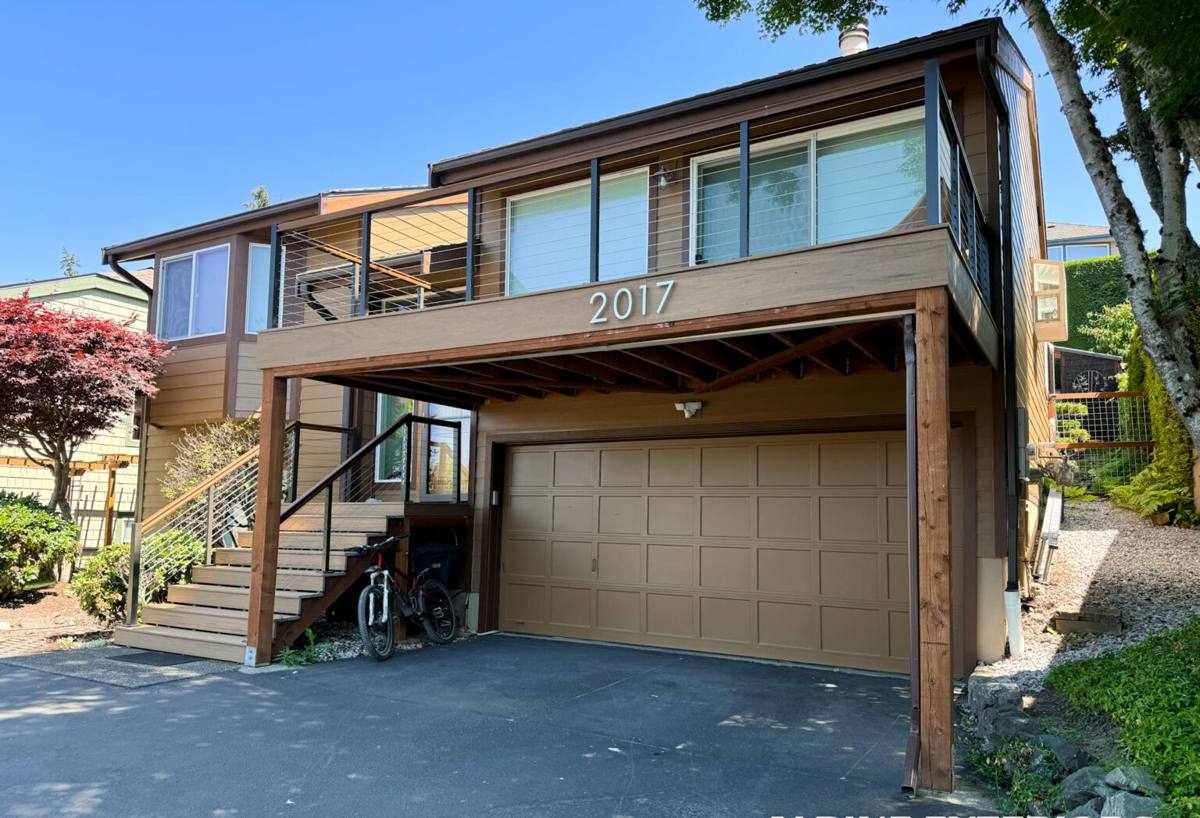
Sehome is one of Bellingham's older, established neighborhoods, close to Western Washington University and built out over several different eras. That mix matters for roofing. Older homes often have roof decks and framing that were never designed around today's ventilation codes, and many have already been re-roofed once, sometimes with layers or repairs that weren't done correctly the first time. Newer infill homes and additions bring their own issues — different roof pitches, valleys, and dormers tying into older sections of the same house.
Before we quote a shingle replacement in Sehome, we look past the shingles themselves at three things that decide how long the new roof will actually last:
- Deck condition — soft spots, delamination, or nail pull-through from a previous install
- Ventilation — whether intake and exhaust airflow is balanced, which matters even more under heavy tree cover
- Roof geometry — steep pitches, tight valleys, and low-slope sections that need different flashing and underlayment treatment than a simple gable roof
Skipping this step is the most common reason a shingle roof underperforms its warranty, and it's not something you can catch from a drive-by estimate.
Tree Cover and Shade Patterns
Many Sehome lots carry mature conifers and deciduous trees, which is part of the neighborhood's character but also means large sections of roof rarely see direct sun. Shaded, damp roof planes are exactly where moss and algae take hold first, and they're often the north- and west-facing slopes that homeowners check the least.
The Real Enemy: Moss, Shade, and Moisture Cycling
Moss doesn't just sit on top of shingles looking bad. Its root structure works into the shingle mat and granule layer, and as it grows it holds moisture against the roof surface long after the rest of the roof has dried out. Over a Bellingham winter, that means repeated wet-dry cycling concentrated in the exact spots where moss has taken hold, which accelerates granule loss and shortens shingle life well below what it's rated for.
Left unaddressed, moss growth also has a habit of working its way under shingle tabs and lifting them, which is when wind-driven rain starts finding its way to the underlayment and deck. In a climate with this much sustained wet weather, an underlayment that's marginal or improperly lapped won't stay dry for long once shingles start lifting.
A correct install doesn't just fight moss after it shows up — it's specified from the start to slow it down, through shingle selection, ventilation, and edge details that keep water moving off the roof instead of sitting on it.
Choosing an Asphalt Shingle System That Fits This Neighborhood
"Asphalt shingle" covers a wide range of products, and the right one for a shaded, moss-prone Sehome roof isn't always the same one that makes sense on an open, sunny lot elsewhere in the county. We walk homeowners through the real trade-offs rather than defaulting to whatever's cheapest or most heavily advertised.
| Shingle Type | Typical Lifespan | Best Fit For | Trade-offs |
|---|---|---|---|
| 3-tab (standard) | 15–20 years | Budget-conscious re-roofs, simple rooflines | Lower wind rating, less impact resistance, plainer appearance |
| Architectural / laminate | 25–30+ years | Most Sehome homes — better wind and weather resistance | Higher upfront cost, slightly heavier |
| Algae/moss-resistant granules | 25–30+ years | Heavily shaded lots, north-facing slopes | Modest cost premium; resistance fades gradually over the shingle's life |
| Impact-rated / high-wind rated | 25–30+ years | Exposed sites, hilltop or open-water-adjacent lots | Higher material cost; not needed on every roof |
For most Sehome re-roofs, we lean toward an architectural shingle with algae-resistant granules as the sensible middle ground. It costs more than a basic 3-tab up front but holds up meaningfully better against the shade-and-moisture pattern this neighborhood deals with every year, and it typically pays for itself in avoided maintenance and a longer service life.
What a Correct Asphalt Shingle Installation Includes
The shingle itself is maybe a third of what determines how a roof performs here. The rest is in details that are invisible once the job is finished but decide whether the roof stays watertight through fifteen Bellingham winters or starts leaking after five.
Underlayment and Ice/Water Protection
Given how much wind-driven rain this area sees, we don't treat underlayment as an afterthought. Synthetic underlayment with proper overlap, plus self-adhered ice-and-water membrane at eaves, valleys, and any low-slope transitions, gives the roof a real second line of defense if wind ever drives water up under a shingle tab.
Flashing
Chimneys, skylights, dormers, and wall-to-roof transitions are where the large majority of leaks actually start — not in the open field of shingles. New step flashing, counter-flashing, and properly sealed penetrations are non-negotiable on every re-roof we do, even when it would be cheaper and faster to reuse what's already there.
Ventilation
Balanced intake and exhaust ventilation keeps the underside of the roof deck dry and close to outdoor temperature. That matters for shingle life, but it also matters for moisture control in the attic itself, which is a bigger deal in a marine climate with this much ambient humidity than it would be somewhere drier.
Fastening and Wind Resistance
Correct nail placement and count — not staples, not high-nailing to save a few minutes — is what keeps shingles from lifting in a winter windstorm. It's an easy thing to shortcut and an easy thing to miss on a rushed final inspection, which is exactly why it's a checklist item on every job we do.
Our Process, Start to Finish
- On-site inspection. We look at the deck, ventilation, flashing points, and roof geometry in person — not from a satellite photo — before we quote anything.
- Honest scope and written estimate. A clear breakdown of what's being replaced, what shingle system we're recommending and why, and what it costs, with no pressure to decide on the spot.
- Tear-off and deck check. Old roofing comes off down to the deck, and any soft or damaged sheathing is identified and repaired before anything new goes down.
- Underlayment, flashing, and ice/water membrane. The weatherproofing layer goes in correctly, at eaves, valleys, and every penetration, before a single shingle is laid.
- Shingle installation. Installed to manufacturer spec for nailing pattern, exposure, and starter courses — the details that determine whether the warranty is actually valid.
- Ventilation check. Intake and exhaust airflow is verified, not assumed.
- Cleanup and magnetic sweep. Job site and yard cleared of debris and stray fasteners before we consider the job finished.
- Final walkthrough. We go over the finished roof with you and answer questions before we leave the site.
Keeping a Sehome Roof Healthy Between Installs
A well-installed shingle roof still needs basic upkeep in this climate, especially under tree cover. None of it is complicated, but skipping it for years at a stretch is how a manageable moss problem turns into a deck repair.
- Keep gutters clear of needles and leaf debris, especially before the fall rains set in
- Have moss physically removed rather than just power-washed, which can drive water under shingles and strip granules
- Trim back branches that overhang the roof to cut down on shade and debris buildup
- Walk the roofline visually from the ground after major windstorms, checking for lifted or missing shingles
- Have flashing and sealant points checked every few years, particularly around chimneys and skylights
- Address small leaks right away — a stained ceiling patch is almost always cheaper than the deck repair that follows a delay
What Affects the Cost of a New Roof Here
There's no honest flat number for a roof replacement without seeing the actual house, but the factors that move the price up or down are consistent across nearly every Sehome job we quote.
| Factor | Why It Matters |
|---|---|
| Roof size and pitch | Steeper roofs take longer, need more safety equipment, and use more material per square |
| Number of layers to remove | Tear-off of multiple existing layers adds labor and disposal cost |
| Deck repairs found during tear-off | Soft or rotted sheathing has to be replaced before new roofing goes on |
| Shingle tier selected | 3-tab, architectural, and algae-resistant products carry different material costs |
| Roof complexity | Valleys, dormers, skylights, and chimneys each add flashing work and time |
| Access and site conditions | Tree cover, tight lots, and limited staging space can add labor time |
We break all of this out in writing so you can see exactly what's driving the number, rather than a single lump-sum figure with no explanation behind it.
Why a Crew That Already Works Sehome Matters
A roof isn't just a product — it's an installation, and installation quality is what actually determines how long it lasts in this specific climate. A crew that regularly works this part of Bellingham already knows what the moss season does to shaded, tree-covered lots, understands what Whatcom County's permitting and inspection process expects, and has seen firsthand which flashing and ventilation details matter most on the older, mixed-era housing stock common to this neighborhood.
That local familiarity shows up in small but meaningful ways: knowing to flag a ventilation imbalance before it becomes an attic moisture problem, recognizing deck damage patterns typical of homes that have gone a decade or two between re-roofs, and specifying the right shingle for a north-facing, shaded slope instead of a one-size-fits-all product. It's the difference between a roof that's simply installed and one that's installed correctly for where it sits.
If you're weighing a repair, a full replacement, or just want an honest read on how much life is left in your current roof, we're glad to take a look. Estimates are free, there's no pressure, and you'll get a straight answer either way — just fill out the form below to get started.