 Bellingham Roofing
 Siding Replacement in South Hill, Bellingham
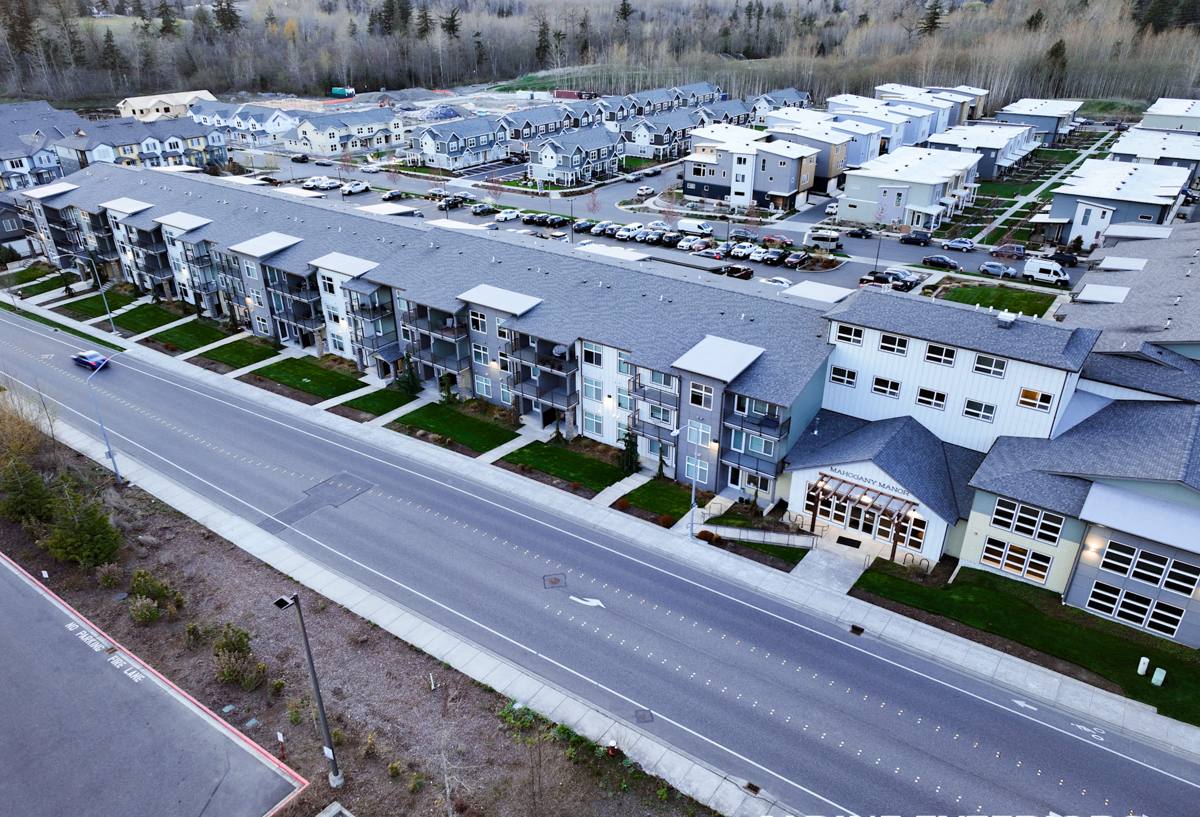
South Hill sits above downtown Bellingham with a mix of older character homes and newer construction spread across a sloped, tree-shaded neighborhood overlooking Bellingham Bay. That elevation and exposure make it one of the tougher spots in Whatcom County for exterior siding to hold up. Homes here face a combination most siding wasn't built for: salt-laden air drifting up off the bay, driving rain that gets pushed sideways by wind on exposed slopes, and a long moss season that runs from fall through spring under the tree canopy so many South Hill lots are known for.
This page is about one job in one place: what a correct siding replacement looks like for a South Hill home, and why the details matter more here than they do on a flat, open lot a few miles inland.
Why South Hill's Climate Is Hard on Siding
Salt air and moisture
Homes with a view toward Bellingham Bay get that view because they're exposed to the air coming off the water. Salt-laden moisture accelerates corrosion on fasteners, trim flashing, and any siding product that isn't rated to handle it. Over years, that corrosion works its way from the inside out — often invisible until paint starts failing or a fastener head rusts through.
Driving rain on a slope
Whatcom County gets a lot of rain, but it's the wind-driven rain on elevated, less-sheltered lots that does the real damage. Rain forced sideways finds every gap in a lap joint, every under-caulked seam, and every place where flashing was skipped or done wrong. On flatter, more sheltered lots that same rain just runs down the wall. On South Hill, it gets pushed into it.
Moss and shade
Mature trees are part of what makes South Hill desirable, but they also mean siding stays damp longer after a storm and gets less direct sun to dry out. That's the recipe for moss and algae growth, especially on north-facing walls and anywhere siding sits close to landscaping. Moss holds moisture against the surface, and moisture held against the wrong material for months at a time is how rot starts.
What a Correct Siding Replacement Actually Involves
Replacing siding is not just swapping old panels for new ones. Done right, it's a system, and skipping any part of that system is where most premature siding failures start — regardless of brand.
- Full tear-off, not an overlay on top of the old siding, so the sheathing underneath can actually be inspected
- Sheathing inspection and repair — any soft or rotted wood gets found now, not discovered as a callback two years later
- Weather-resistive barrier (housewrap) installed or repaired, lapped correctly so water sheds down and out, never into the wall
- Correct flashing at every window, door, and penetration — this is the single most common place corners get cut
- Proper fastening matched to the manufacturer's spec for the product and the climate zone, not just "whatever's in the nail gun"
- Factory-finished or properly primed and painted siding, so the finish is doing its job from day one instead of weathering unevenly
Any one of these steps done poorly shortens the life of the whole job, and on a lot exposed to salt air and driving rain, the margin for error is smaller than it is elsewhere.
Why We Install Only James Hardie Fiber Cement
We don't install vinyl, LP SmartSide, Cemplank, Allura, primed spruce, or cedar. That's not a marketing position — it's a standard we hold because of what we've seen these products do (and not do) in exactly the conditions South Hill homes face.
Vinyl expands and contracts with temperature swings and can warp or crack under sustained wind-driven rain and cold snaps. Wood products — cedar, primed spruce, and engineered wood like LP SmartSide — perform well when maintenance stays on schedule, but they depend on that maintenance. Miss a repaint cycle or let moss sit against a wall for a season in a shaded, damp spot like South Hill, and wood-based products are the first to show it, through swelling, delamination, or rot at seams and edges.
James Hardie fiber cement is non-combustible, doesn't expand and contract the way vinyl does, and doesn't rely on an intact paint film the way wood-based sidings do to keep moisture out — it's cement-based, so it isn't feeding rot the way organic materials can. It carries a factory-applied ColorPlus finish that's baked on and warranted separately from the substrate, and Hardie engineers specific product lines for different climates. For a marine environment like Bellingham Bay, that means using the HZ10 formulation built for wetter, harsher weather, not a generic version made for a drier region.
Comparing Siding Materials for South Hill's Conditions
| Material | Driving Rain / Moisture | Moss & Algae Resistance | Maintenance Needed | Typical Lifespan |
|---|---|---|---|---|
| Vinyl | Can warp/crack under wind and cold | Moderate — surface growth cleans off, seams trap moisture | Low, but limited repair options if damaged | 15–25 years |
| Cedar / Primed Wood | Good if maintained, poor if neglected | Low — organic material feeds growth without upkeep | High — regular repainting/sealing | 10–30 years, maintenance-dependent |
| Engineered Wood (LP SmartSide) | Good if sealed edges stay intact | Moderate — vulnerable at cut edges and seams | Moderate — edge sealing and paint upkeep matter | 20–30 years, install-dependent |
| James Hardie Fiber Cement | Strong — cement-based, doesn't rely on paint film for water resistance | Strong — non-organic substrate, factory finish resists growth | Low — periodic cleaning | 30+ years to manufacturer specs |
What Drives the Cost of Siding Replacement in South Hill
Every home is different, so we won't quote a number without seeing the house — but these are the factors that actually move the price up or down on jobs in this neighborhood:
| Factor | Why It Matters Here |
|---|---|
| Home size and story count | More square footage and taller walls mean more material and more scaffolding/staging time |
| Site access and slope | South Hill's hillside lots and driveways often limit staging space and material delivery, adding labor time |
| Sheathing condition | Homes with moisture history behind old siding may need sheathing repair before new siding goes on |
| Window and door count | Every opening needs correct flashing — more openings means more detail work |
| Trim and finish choice | Factory ColorPlus finishes versus field-painted trim affect both cost and long-term maintenance |
Our Process for South Hill Homes
- On-site inspection — we walk the exterior, check for existing moisture damage, and note anything specific to the lot's exposure (shade, slope, prevailing wind direction)
- Written scope and product selection — the right Hardie profile and HZ climate rating for the home, with a clear plan for trim and color
- Tear-off and sheathing check — old siding comes off, sheathing gets inspected and repaired as needed before anything new goes up
- Weather barrier and flashing — housewrap and flashing installed or corrected at every window, door, and penetration
- Siding installation — fastened to manufacturer spec for the HZ10 climate rating, not a generic install pattern
- Final walkthrough — we go over the finished work with the homeowner before calling the job done
Why Hiring a Crew That Already Works South Hill Matters
A crew unfamiliar with South Hill's terrain shows up and has to figure out staging, access, and drainage on the fly. A crew that's worked the neighborhood before already knows how to plan around narrow driveways and sloped lots, expects the kind of moisture patterns hillside, tree-shaded homes tend to develop behind old siding, and doesn't treat this like a flat-lot job in a drier part of Whatcom County. That familiarity shows up in fewer surprises mid-project and a job that's planned around the site instead of improvised on it.
What to Expect From a Properly Done Job
- A full tear-off, not siding installed over siding
- A written scope that names the specific Hardie product and HZ climate rating being used
- Sheathing repair addressed and documented before new siding goes on, if needed
- Flashing detail at every window, door, and penetration — not just caulk
- Factory ColorPlus finish or a clearly explained field-paint plan
- A transferable warranty you actually receive documentation for
- A cleanup and haul-away plan included in the scope, not billed as an afterthought
If your South Hill home's siding is showing moss buildup, soft spots, or paint failure, it's worth having it looked at before another wet season sets in. We're happy to walk your property, explain what we're seeing, and put together a straightforward, no-pressure estimate — just fill out the form below.