 Bellingham Roofing
 Ferndale's Climate Is Hard on Windows
Ferndale sits close enough to Puget Sound and the Strait of Georgia that salt-laden air is a real factor in how building materials age here, and it's compounded by Whatcom County's wet, mild winters and long stretches of low sun and standing moisture. Windows take the brunt of this. Metal hardware corrodes faster near the water. Wind-driven rain finds any gap in flashing or sealant and pushes water sideways and upward, not just down, which is why so many leaks in this region show up above and beside a window rather than underneath it. And the long moss and mold season here means anything porous that stays damp for weeks at a time becomes a growth surface, including wood trim, sills, and old caulk lines.
None of this means windows fail quickly in Ferndale. It means the installation details that get ignored in drier climates — flashing sequence, sealant choice, frame material, drainage paths — matter more here, and cutting corners on them shows up as rot, fogged glass, or drafts years sooner than it would somewhere inland and dry.
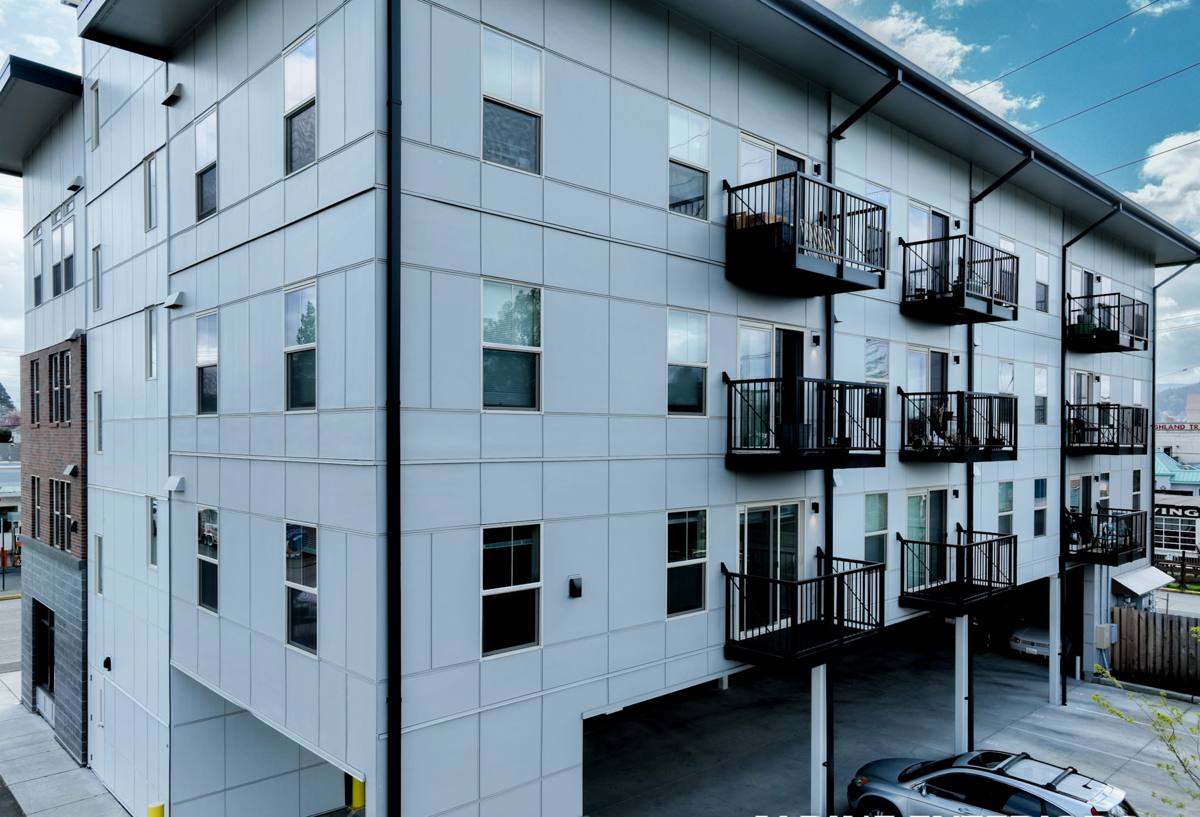
Signs a Ferndale Home Needs Window Attention
Most window problems in this area develop slowly, so homeowners often adjust to a draft or a sticky sash without registering it as a real issue. Watch for:
- Fogging or a permanent haze between panes on double- or triple-glazed windows (a failed seal, not a cleaning problem)
- Visible gaps, soft or dark trim, or paint that keeps bubbling near the window frame
- Windows that are hard to open, don't latch fully, or have warped sashes
- A noticeable draft or cold spot near the window even when it's closed and locked
- Condensation on the inside of the glass regularly, especially in winter
- Musty smell or soft drywall/trim near a window, which points to moisture already getting behind the frame
- Rising heating bills without a clear cause elsewhere in the home
Any one of these on its own might be minor. Several together, especially on the weather side of the house, usually means it's time for a real assessment rather than another round of caulk.
What a Correct Window Installation Actually Involves
Flashing and Drainage Come First
The glass and frame get most of the attention, but the flashing and water-management layer behind the window is what actually keeps a home dry through a wet Whatcom County winter. That means integrating the window's flashing with the house wrap or weather-resistive barrier in the correct shingle-lap order — bottom, sides, then top — so water is always directed outward and down, never trapped behind the siding. Skipping or reversing this order is one of the most common causes of hidden rot behind window openings.
Sizing, Shimming, and Fastening
A window that's slightly out of square or improperly shimmed will bind, leak, or fail its seals early, even if it's a good product. Correct installation means checking the rough opening for level and square, shimming at the right points to support the frame without distorting it, and fastening according to the manufacturer's schedule rather than "close enough."
Sealing Without Trapping Moisture
Sealant matters, but more sealant is not automatically better. The wrong approach — caulking every seam solid on all four sides — can trap incidental moisture inside the wall assembly instead of letting it drain and dry. A correct installation uses sealant strategically and preserves a path for any water that does get in to escape.
Interior and Exterior Trim
Trim isn't just cosmetic. It protects the transition point between the window and the siding or stucco, and in this climate that transition is where moss and mold get a foothold if it's not detailed and finished properly.
Choosing a Window Frame Material for This Climate
There's no single "best" frame material for every home, but some perform more predictably than others given Ferndale's combination of salt air and near-constant winter moisture.
| Frame Material | How It Handles Salt Air & Moisture | Maintenance |
|---|---|---|
| Vinyl | Doesn't corrode or rot; handles coastal moisture well | Low — occasional cleaning |
| Fiberglass | Very stable in temperature and moisture swings; strong corrosion resistance | Low |
| Aluminum | Can pit or corrode faster near salt air unless properly coated; conducts cold | Moderate — watch for corrosion and condensation |
| Wood / Wood-clad | Attractive but needs consistent upkeep to resist rot in a wet climate | Higher — regular painting/sealing of exposed wood |
We'll talk through what's realistic for your home's style and budget rather than pushing one material. On a lot of Ferndale homes — especially anything with direct exposure to weather off the water — vinyl or fiberglass ends up being the lower-maintenance, longer-term choice, but there are cases where wood-clad windows are the right call for the look of the home and the owner is prepared for the upkeep that comes with it.
Glass and Performance Options
Beyond the frame, the glass package affects comfort and condensation resistance more than most homeowners expect. Double-pane windows with a low-emissivity (Low-E) coating and argon gas fill are the standard for this region — they cut heat loss and reduce interior condensation in winter, which matters when a home sees months of cold, damp weather in a row. Triple-pane glass adds further insulation and is worth discussing for north-facing rooms or homes with persistent condensation problems, though it comes at a higher cost and added weight. We size and spec glass based on the exposure of each wall, not a single blanket choice for the whole house.
Our Installation Process
- On-site assessment — we inspect existing windows, framing, and any signs of hidden moisture or rot before quoting anything
- Honest recommendation — we tell you what actually needs replacing versus what can wait, and what frame/glass combination fits your home and budget
- Rough opening prep — old windows removed, opening checked for square, and any rot or damaged sheathing repaired before a new window goes in
- Flashing and weather barrier integration — done in the correct order so the wall assembly drains properly
- Window setting and fastening — leveled, shimmed, and fastened to manufacturer spec
- Sealing and trim — sealed to allow proper drainage, then trimmed inside and out
- Final check — every window operated, latched, and inspected before we call the job done
What Affects the Cost of Window Installation in Ferndale
Every home is different, but the same handful of factors drive most of the cost difference between jobs:
| Factor | Why It Matters |
|---|---|
| Number and size of windows | More material, more labor, and larger openings cost more per unit |
| Frame material chosen | Vinyl and fiberglass vs. wood-clad or specialty finishes carry different price points |
| Hidden rot or framing damage | If we find soft framing behind an old window, that repair adds time and material before the new window can go in |
| Access and story height | Second-story or hard-to-reach windows take longer and may need staging |
| New construction vs. retrofit/replacement | Replacing an existing window in an existing opening is generally more straightforward than resizing an opening or installing in new framing |
| Trim and finish work | Matching existing interior/exterior trim profiles takes more time than a basic finish |
We give straightforward, itemized estimates so you can see exactly what's driving the price, rather than a single lump number.
Why Hiring a Crew That Already Works in Ferndale Matters
A window that's correctly installed for a dry inland climate isn't automatically correct for a home exposed to wind-driven rain off the water and a moss season that can run half the year. A crew that regularly works Whatcom County homes already knows which walls on a typical Ferndale property take the worst weather exposure, how local siding types integrate with window flashing, and where hidden moisture tends to collect in homes of this area's age and construction style. That local pattern recognition is the difference between a window that looks fine on install day and one that's still performing correctly five winters later.
Maintaining Your Windows After Installation
Even a well-installed window benefits from basic upkeep in this climate:
- Rinse salt residue and grime off frames and glass periodically, especially on sides of the home exposed to wind off the water
- Check and clear weep holes on vinyl and aluminum frames so water can drain rather than pool
- Keep gutters and downspouts clear so overflow doesn't run down over window heads
- Watch for moss or algae starting on sills or trim and clean it off before it spreads or holds moisture
- Re-caulk exterior trim joints if you notice cracking or gaps developing over time
None of this is heavy maintenance, but skipping it is how a good installation slowly turns into a moisture problem.
If your Ferndale home has drafty, foggy, or aging windows — or you're planning ahead for a remodel — we're happy to take a look and give you a straightforward, no-pressure estimate using the form below.