 Bellingham Roofing
 Window Replacement Built for Lynden's Weather, Not Just the Sale
Lynden sits in the heart of Whatcom County, and like the rest of the region it gets a long, wet fall-through-spring stretch where rain doesn't so much fall as blow sideways for days at a time. Add in the marine air that moves through the broader Puget Sound and Strait of Georgia region and a moss season that can run half the year on shaded north and west walls, and you have a climate that is genuinely hard on window frames, seals, and sills. A window that's fine in a drier inland climate can fail here in a fraction of the time if it isn't sealed, flashed, and finished correctly.
Window replacement in Lynden isn't just about picking new glass. It's about picking a window system and an installation method that can shed driving rain, resist the slow creep of moisture into wall framing, and hold up to years of freeze-thaw cycling without the frame swelling, the seals failing, or the sash sticking. We treat every Lynden window job as a weatherproofing job first and a cosmetic upgrade second — because if the weatherproofing isn't right, nothing else about the window matters.
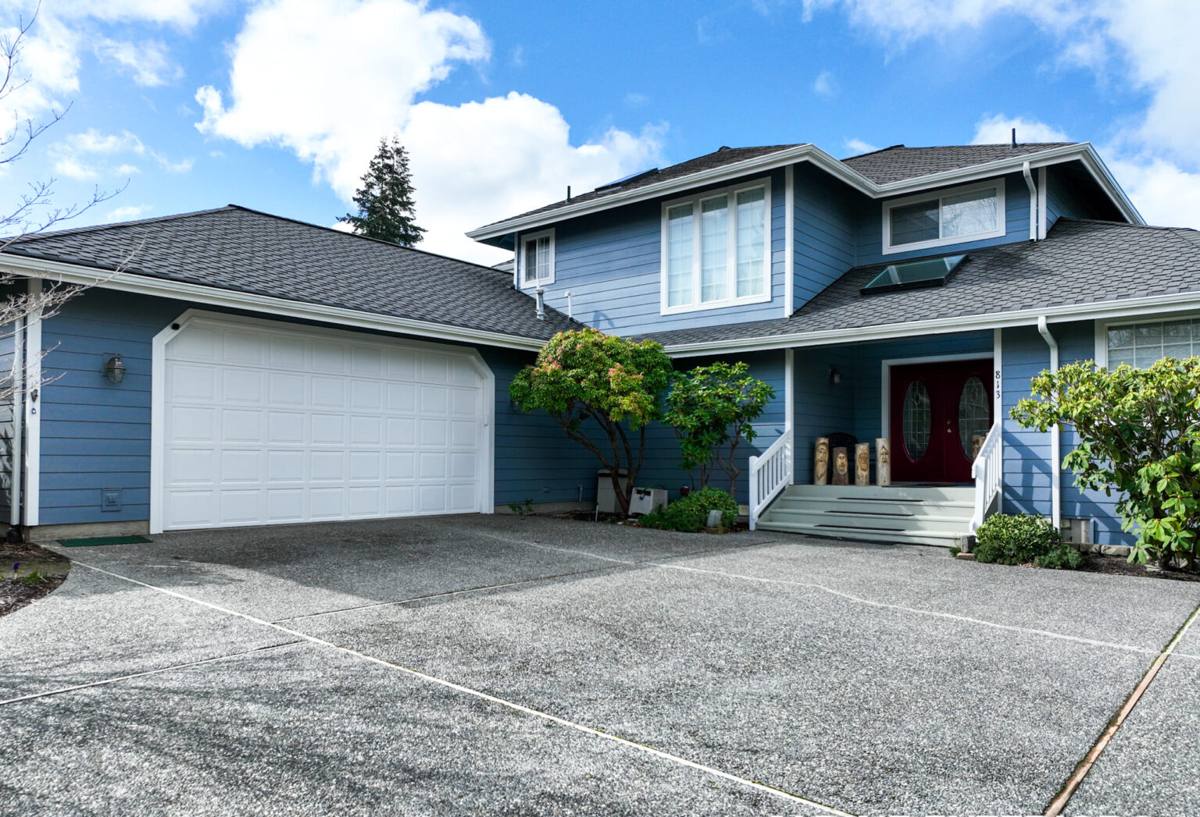
Signs a Lynden Home Needs New Windows
Most homeowners don't call about windows until something is visibly wrong, but by then there's often been moisture intrusion happening quietly for a while. Here's what we look for and what you should watch for between now and your next inspection:
- Fogging or a persistent haze between panes of double-glazed glass — a sign the seal has failed and the gas fill is gone
- Soft, spongy, or discolored wood on the sill or the interior trim below the window
- Visible moss or algae growth on the frame, especially on north- and west-facing windows that stay shaded and damp
- Drafts you can feel with your hand along the sash or frame on a windy day
- Windows that are difficult to open, close, or lock — often a sign the frame has swollen or shifted
- Condensation on the inside of the glass in cold weather, which points to poor insulating performance
- Visible daylight or gaps around the exterior trim where old caulk has cracked or pulled away
Any one of these on its own might just need a repair. Several at once, especially on a home with its original windows, usually means it's time to talk about replacement rather than patching.
What a Correct Window Replacement Job Actually Involves
It Starts Below the Surface
The window itself is often the easy part. What separates a job that lasts twenty-plus years from one that leaks in three is what happens at the rough opening before the new window ever goes in. That means removing the old unit carefully, checking the framing and sheathing underneath for rot or hidden water damage, and correcting anything found before moving forward — not covering it up.
Flashing and Sealing Do the Real Work
In a climate that gets driving, wind-blown rain the way Whatcom County does, flashing tape and sealant placement matter more than almost anything else in the job. Water has to be directed out and down, never trapped behind the trim or the siding. We install sill pan flashing, properly lapped water-resistive barrier, and backer rod and sealant at the right joints — in that order, every time. Skipping or rushing this step is the single biggest reason window replacements fail early in wet climates.
Fit and Fasten Correctly
A window that's shimmed unevenly or fastened without following the manufacturer's schedule can bind, leak, or void the warranty even if the product itself is good. We set every window level, plumb, and square, and fasten it exactly to spec before trim and sealant go back on.
Choosing the Right Window for Lynden's Climate
There's no single "best" window for every home, but there are meaningful trade-offs worth understanding before you decide. Here's how the common frame materials stack up for a wet, moss-prone climate like ours:
| Frame Material | Moisture Resistance | Maintenance | Typical Trade-Off |
|---|---|---|---|
| Vinyl | Excellent — won't rot or corrode | Low — occasional cleaning | Fewer color/finish options than clad wood |
| Fiberglass | Excellent — very stable in wet/cold swings | Low | Higher upfront cost |
| Aluminum-clad wood | Good on exterior; wood core still needs protection | Moderate | Interior wood look, more sensitive to installation quality |
| Bare wood | Poor without diligent upkeep | High — regular repainting/sealing | We generally steer homeowners away from this for exposed elevations in our climate |
We're upfront that we don't recommend bare wood frames for most Lynden exteriors — not because wood windows are a bad product, but because unclad wood exposed to this much annual rainfall demands a maintenance schedule most homeowners can't realistically keep up with, and a missed year of upkeep can mean rot at the sill. Vinyl and fiberglass shift that maintenance burden way down while still performing well.
Glass Packages Matter Too
Beyond the frame, ask about the glass package. Double-pane with a Low-E coating and argon gas fill is the standard for good energy performance in our climate. Triple-pane is available and does add performance, but the return on investment is a conversation worth having based on your specific home and budget rather than assuming more panes always means a better choice.
Our Window Replacement Process
- On-site assessment — We inspect existing windows, check for hidden moisture or framing damage, and take precise measurements.
- Product selection — We walk through frame material, glass package, and style options based on your home and budget, with honest trade-offs explained rather than upsold.
- Written estimate — Clear scope, materials, and price before anything is scheduled.
- Removal and inspection — Old windows come out carefully so we can check the rough opening before anything new goes in.
- Flashing and installation — Sill pan flashing, water-resistive barrier lapping, and correct fastening per manufacturer spec.
- Sealing and trim — Backer rod, sealant, and exterior trim finished to shed water, not just look tidy.
- Final walkthrough — We check operation, look for gaps, and confirm everything is sealed and functioning before we consider the job done.
What Affects the Cost
Every home is different, but these are the main factors that move window replacement pricing up or down. We don't publish flat per-window prices because these variables genuinely change the number — but this table gives you a realistic sense of what drives cost either way.
| Factor | Effect on Cost |
|---|---|
| Frame material (vinyl vs. fiberglass vs. clad wood) | Vinyl is typically the most budget-friendly; fiberglass and clad wood run higher |
| Window size and configuration | Larger units, bay/bow windows, and custom shapes cost more than standard sizes |
| Number of windows replaced at once | Doing multiple windows in one visit generally lowers the per-window cost |
| Condition of the rough opening | Hidden rot or framing damage found during removal adds repair cost |
| Glass package upgrades | Triple-pane or specialty coatings add cost over standard Low-E double-pane |
| Story height and access | Second-story or hard-to-access windows can add labor time |
Why a Crew That Already Works in Lynden Matters
Window replacement isn't one-size-fits-all, and a crew that's worked homes throughout Whatcom County knows the difference between a coastal Bellingham lot that takes wind off the bay and an inland Lynden property that deals more with sustained rain and shaded, moss-prone north walls. That familiarity shows up in small decisions — where to add extra flashing, which sealants hold up best through our wet season, how to sequence a job around the weather rather than fighting it.
It also matters for permitting and code compliance. Local building requirements and inspection expectations can vary, and a crew that regularly pulls permits in this area isn't learning the process on your project.
Finally, there's accountability. A contractor based in and around the county isn't disappearing after the invoice clears — if a question comes up two years down the road, you're calling a business that's still local and still reachable, not chasing down a crew that came through once from out of the area.
After the Install: Keeping New Windows Performing
New windows still need a small amount of upkeep to hit their full lifespan, especially in a climate that stays wet as much of the year as ours does. A short annual checklist goes a long way:
- Rinse frames and tracks to clear pollen, dirt, and early moss growth before it takes hold
- Check exterior caulk lines once a year for cracking or gaps and have them touched up if needed
- Keep gutters and downspouts clear so water isn't sheeting down over window heads
- Trim back vegetation that keeps a window in constant shade and dampness
- Operate each window a few times a year so hardware doesn't seize up from disuse
None of this is intensive, but skipping it is how even a good window installation loses years off its service life.
Get a Free, No-Pressure Estimate
If your Lynden home has windows that are fogging, drafting, sticking, or just past their prime, we're glad to come take a look and give you an honest read on what's going on — no pressure, no hard sell. Use the form below to request a free estimate and we'll get back to you to schedule a time that works.