 Bellingham Roofing
 Deck Repair in the York Neighborhood
York is one of Bellingham's older, established neighborhoods, which means a lot of its homes have decks that have been through decades of Pacific Northwest weather. Some of those decks were built well and just need attention. Others were built to a lower standard, patched over the years, or simply never designed for the amount of moisture Whatcom County throws at outdoor structures. Either way, deck repair is one of the most common calls we get from homeowners in this part of Bellingham, and it's rarely a one-size-fits-all job.
A deck close to Bellingham Bay deals with a combination most inland homes never see: salt-laden air that accelerates corrosion in fasteners and hardware, driving rain that comes in sideways during fall and winter storms, and a moss and algae season that can run eight months or more out of the year. Repairing a deck here means understanding all three of those forces, not just replacing a few boards and calling it done.
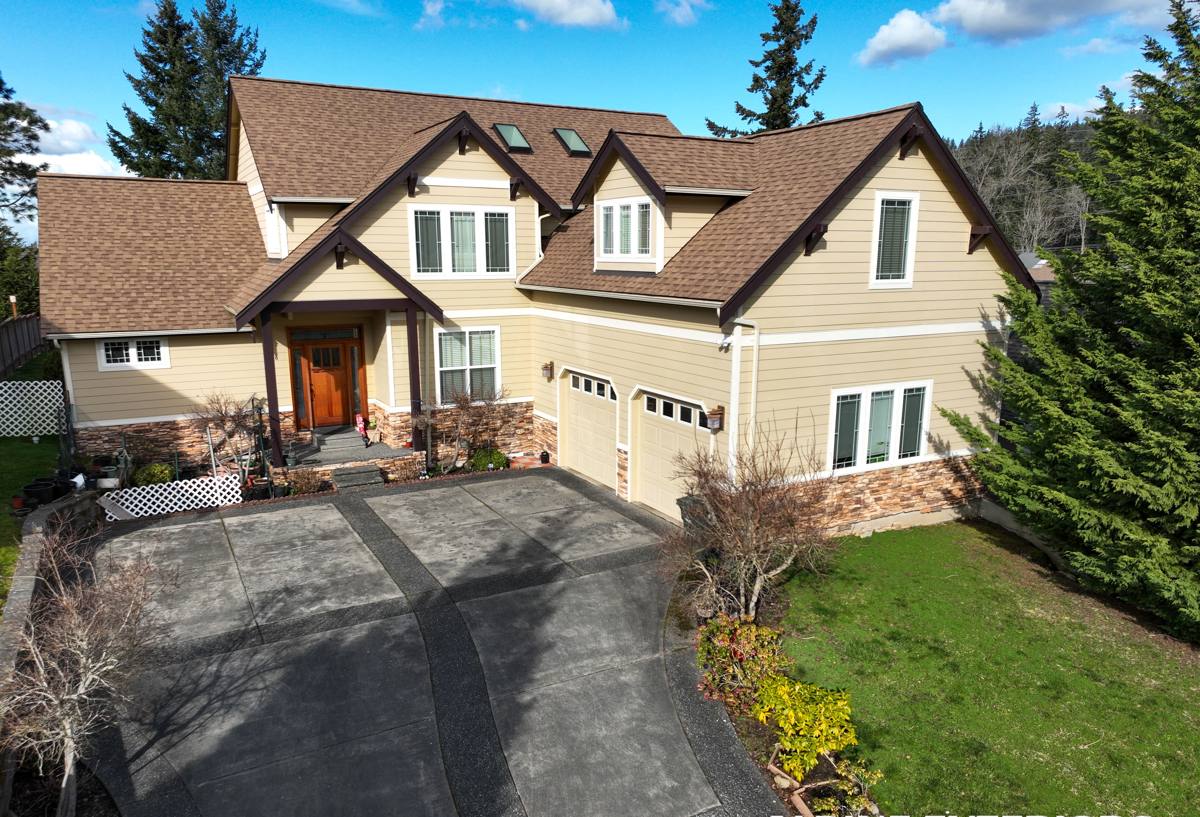
Why York Decks Wear the Way They Do
Every deck in this neighborhood is fighting the same regional climate, but the way it shows up depends on the deck's age, orientation, and construction details.
Salt Air and Metal Fatigue
Proximity to Bellingham Bay means airborne salt settles on exposed metal — nails, screws, joist hangers, ledger flashing — and speeds up corrosion. Once a fastener starts to rust, it loses holding strength long before it looks obviously bad. This is one of the most common hidden problems we find on older York decks: boards that look fine on top but are barely held down underneath.
Driving Rain and Water Intrusion
Storms off the water don't just fall straight down here — wind-driven rain gets pushed under railings, into board gaps, and behind ledger boards where the deck attaches to the house. That ledger connection is one of the most important structural points on any deck, and it's also one of the most common places we find water damage, because it's out of sight and easy to overlook during a casual inspection.
Moss, Algae, and the Long Wet Season
Bellingham's wet season stretches long, and shaded or north-facing decks in York can stay damp for days at a time. Moss and algae aren't just cosmetic — they hold moisture against wood surfaces and make decking dangerously slick, and they also mask early rot because the wood underneath the growth is rarely dry enough to inspect properly without cleaning it first.
Signs Your Deck Needs Repair, Not Replacement
Most decks don't fail all at once. They show warning signs first, and catching those signs early is usually the difference between a repair bill and a full rebuild.
- Soft, spongy, or springy spots when you walk across the decking
- Visible gaps, cupping, or splintering in individual boards
- Rust streaks running down from screws, nails, or metal connectors
- Railings or stair rails that wobble or flex under hand pressure
- Persistent moss or algae buildup that keeps coming back after cleaning
- Gaps or separation where the deck meets the house at the ledger board
- Stair treads that feel uneven or have visible sag between supports
- A musty smell coming from underneath the deck structure
If you're seeing one or two of these on an otherwise sound deck, repair is usually the right call. If you're seeing several at once, especially anything involving the ledger board or main support posts, it's worth a proper inspection before deciding.
What a Correct Deck Repair Actually Involves
A repair that just swaps out the worst-looking boards without checking what's underneath tends to fail again within a season or two, especially in this climate. We approach deck repair in layers, starting with what you can't see.
Structural Framing First
Before anything cosmetic happens, we check the ledger board attachment, joists, beams, and support posts for rot, cracking, or fastener failure. This is the part of the deck holding everyone's weight, and it's the part most likely to have hidden salt-air corrosion or water damage in an older York home.
Fasteners and Hardware
Given how quickly standard hardware corrodes near the bay, we replace failing connectors with fasteners rated for coastal or high-moisture exposure rather than matching whatever was originally used. Reusing corroded hardware just resets the clock on the same failure.
Decking Boards and Surface Repair
Individual boards get replaced where they're cracked, rotted, or badly cupped. We also check board spacing — gaps that are too tight trap moisture and debris, while gaps that are too wide create a tripping and drainage problem.
Railings and Guards
Railing posts take a lot of lateral stress, and in older decks they're often under-attached to the frame. We check post connections against current safety expectations, not just how they were originally built decades ago.
Moss, Algae, and Surface Treatment
Once structural and surface repairs are done, we address the growth itself — cleaning it off properly and, where appropriate, applying treatments that slow regrowth, rather than just pressure-washing the surface and leaving the underlying moisture problem untouched.
Repair vs. Replacement: How We Help You Decide
Not every deck with problems needs to be torn out. But some do, and an honest contractor should be willing to tell you which situation you're in rather than defaulting to whichever job is bigger.
| Factor | Usually Points to Repair | Usually Points to Replacement |
|---|---|---|
| Framing condition | Solid, dry, no rot at joists or beams | Rot or soft spots at multiple structural points |
| Ledger board | Tight to the house, no water staining | Separation, rot, or long-term water intrusion |
| Age of deck | Under 15-20 years with good maintenance history | Original construction quality unknown or very old |
| Extent of damage | Isolated boards or a single railing section | Damage spread across most of the surface |
| Code compliance | Railings and stairs already meet current standards | Railing height, spacing, or footings don't meet code |
We'll walk the deck with you, explain what we're seeing, and give you a straight answer. If a repair will genuinely hold up, we'll tell you that. If the framing is too far gone to trust, we'll tell you that too, along with why.
Materials We Use for Repairs
Matching materials matters for both appearance and long-term performance. Depending on the deck and your goals, repairs may involve pressure-treated lumber, cedar, or composite decking components.
| Material | Best For | Trade-Offs |
|---|---|---|
| Pressure-treated lumber | Structural framing, budget-conscious board replacement | Needs periodic sealing to handle salt air and rain exposure |
| Cedar | Matching an existing cedar deck's appearance | More maintenance-sensitive; needs consistent finish upkeep |
| Composite decking | Low-maintenance surface repairs, moisture-heavy areas | Higher upfront cost; requires matching existing board profile |
For structural framing repairs, we generally recommend sticking with proven, code-rated lumber rather than mixing in unfamiliar products — the framing isn't the place to experiment, since it's the hardest part of the deck to inspect once it's covered back up.
Our Deck Repair Process
- On-site inspection of the full deck, including framing, ledger connection, and hardware — not just a visual walk of the surface
- A clear explanation of what's causing the problem, not just what's broken
- A written scope and estimate before any work starts, including repair vs. replacement options if both are on the table
- Structural and hardware repairs completed first, before any cosmetic work
- Decking, railing, and stair repairs matched to the existing deck where possible
- Cleanup of moss, algae, and debris, with guidance on keeping it from coming back
- A final walkthrough so you can see and feel the repair before we consider the job done
Deck Maintenance Between Repairs
A repaired deck lasts a lot longer in this climate if it gets a little seasonal attention. This is the same short list we give homeowners after finishing a repair.
- Sweep leaves and debris off the surface regularly, especially in fall
- Clean moss and algae buildup before it has a chance to spread across the whole surface
- Check railings and stair treads periodically for looseness
- Look underneath the deck once or twice a year for staining, soft wood, or standing moisture
- Re-seal or refinish wood surfaces on the schedule appropriate to the product, rather than waiting until it visibly fails
- Keep gutters and downspouts near the deck clear so runoff isn't draining directly onto or under it
Why a Crew That Already Works in York Matters
Deck repair isn't just carpentry — it's knowing how a specific climate and a specific neighborhood's building stock tend to fail. A crew that regularly works on Bellingham decks knows to check ledger boards for salt-air corrosion before they check anything cosmetic, knows which framing details tend to trap moisture in homes of a certain era, and isn't guessing at how long a given repair will realistically hold up under Whatcom County's rain and moss season. That kind of familiarity comes from doing the work locally, repair after repair, not from a one-time visit.
It also means showing up with the right expectations. We're not going to recommend tearing out a deck that just needs solid structural repair, and we're not going to patch over a framing problem that's going to come back in a year. We'd rather give you an honest assessment the first time.
Get a Free Estimate for Your York Deck
If your deck in York is showing soft spots, loose railings, persistent moss, or you're just not sure whether it needs repair or replacement, we're happy to take a look. There's no pressure and no obligation — just a straightforward inspection and a clear explanation of what we find. Use the form below to request your free estimate.