 Bellingham Roofing
 Asphalt Shingle Roofing for Puget's Coastal Climate
Homes in the Puget area of Bellingham sit close enough to the water and the tree line to catch the worst of two worlds: salt-laden air moving in off the Sound and heavy shade from evergreens that keeps roof surfaces damp for days after a storm. Add Whatcom County's long, wet fall-through-spring stretch and you have a roofing environment that punishes shortcuts. Asphalt shingle roofing still makes sense here — it's cost-effective, repairable, and widely available in products built for wet coastal climates — but only when it's specified and installed correctly for this exact setting, not treated like a generic shingle job.
This page covers what that means in practice: how the local climate actually attacks a shingle roof, what a correct installation looks like layer by layer, how we run the job from first inspection to final walkthrough, and why a crew that already works in this neighborhood catches things an out-of-town estimator might miss.
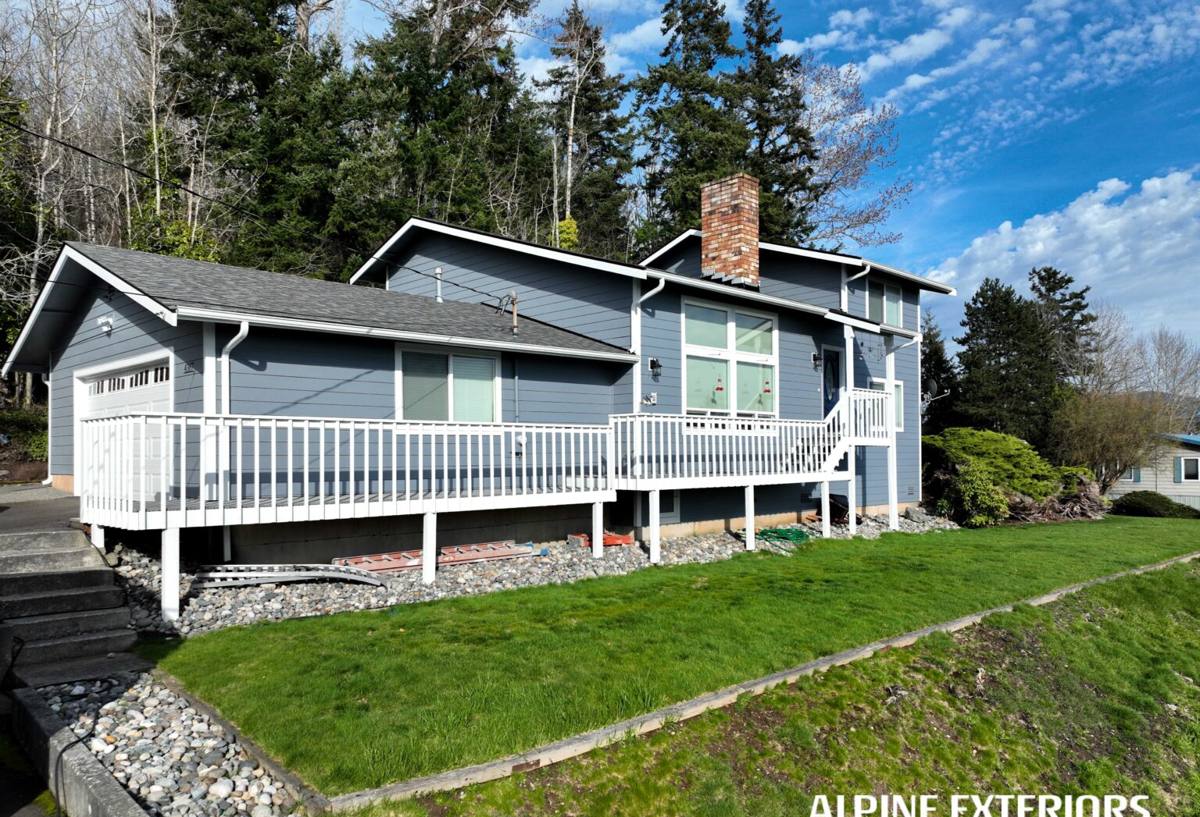
What Puget's Weather Actually Does to a Shingle Roof
Salt Air and Metal Corrosion
Salt air doesn't damage the shingles themselves as much as it accelerates corrosion on everything metal attached to your roof system — nails, flashing, vent stacks, gutter hangers, and drip edge. Once fasteners start corroding, they lose holding power years before the shingles above them wear out, which is why we treat metal selection as a climate decision, not an afterthought, on any roof within reach of salt-carried moisture.
Driving, Wind-Blown Rain
Bellingham doesn't get hurricane winds, but it does get sustained wind-driven rain that pushes water sideways and uphill under shingle edges, into exposed nail heads, and through any flashing detail that was installed to a bare-minimum standard. A roof that would be fine in a drier, calmer climate can leak here simply because water is arriving from the side and underneath, not just from above.
Moss, Shade, and Prolonged Moisture
Tree cover common in and around Puget keeps north-facing slopes and shaded valleys damp long after the rest of the roof has dried out. That moisture holds airborne spores and organic debris against the shingle surface, and moss takes root in the granule layer itself. Left alone, moss mats lift shingle edges, trap even more water underneath, and shorten the roof's usable life well below what the shingle is rated for.
What a Correctly Installed Shingle Roof Includes
A shingle roof is a layered system, and in this climate every layer matters, not just the visible one. Skipping or downgrading any single layer is usually where the leaks that show up two or three winters later actually start.
- Deck inspection and repair — soft, delaminated, or water-stained sheathing gets replaced before anything new goes down, not covered up.
- Ice-and-water shield at eaves, valleys, and around every penetration, sized generously for a climate with sustained rain rather than the code minimum.
- Synthetic underlayment across the full deck, lapped correctly so water sheds downhill at every seam.
- Corrosion-resistant flashing and fasteners — a real consideration this close to salt air, not a place to save a few dollars.
- Balanced intake and exhaust ventilation so the attic isn't trapping the same moisture the shingles are shedding.
- Correct nailing pattern and shingle exposure, matched to the manufacturer's high-wind installation instructions.
Any one of these done wrong can void a manufacturer's warranty even if the shingles themselves are premium. We walk every one of these steps with homeowners before tear-off starts, because it's easier to agree on the standard up front than to explain a callback later.
Choosing the Right Shingle for This Area
Not every asphalt shingle is built the same way, and the differences matter more in a shaded, damp, salt-air neighborhood than they would in a drier inland climate. The two big decisions are shingle class (architectural vs. traditional 3-tab) and whether the product carries algae-resistant granules.
| Shingle Type | Typical Lifespan Here | Wind/Moisture Behavior | Best Fit |
|---|---|---|---|
| 3-tab asphalt | 15–20 years | Lower wind rating; more seams for water to find | Budget-driven projects, rental properties |
| Architectural (laminated) asphalt | 25–30+ years | Higher wind rating, thicker profile sheds water better | Most Puget homes, especially exposed or shaded roofs |
| Algae-resistant (copper-granule) asphalt | Same as base shingle, with slower streaking | Resists the black algae staining common under tree cover | Shaded lots, north-facing slopes, homes near mature trees |
We don't push algae-resistant shingles as a gimmick — on a shaded Puget roof they genuinely reduce how often the surface needs cleaning, and they hold their appearance longer without pressure washing, which is itself hard on granule adhesion. On open, sun-exposed roofs the upgrade matters less, and we'll say so.
Underlayment and Fastener Trade-Offs
| Component | Standard Option | Recommended for This Climate |
|---|---|---|
| Underlayment | Felt paper | Synthetic — holds up longer to wind-driven rain during install |
| Fasteners | Electro-galvanized nails | Hot-dipped galvanized or stainless near salt air exposure |
| Flashing metal | Bare or mill-finish aluminum | Coated aluminum or corrosion-resistant alloy |
How Our Process Works
1. On-Site Inspection
We walk the roof and the attic, not just the ground-level view. That includes checking for moss growth patterns, soft decking, ventilation balance, and flashing condition at chimneys, skylights, and valleys — the details that determine scope more than the shingles' surface appearance does.
2. Written Proposal
You get a scope broken down by material, layer, and labor — not a single lump number — so you can see exactly what's being upgraded and why, including any deck repair contingencies before work starts.
3. Tear-Off and Deck Prep
Old material comes off down to the deck so we can actually see what's underneath. This is where hidden water damage from a previous roof shows up, and it's far cheaper to address during tear-off than to discover it as a leak two years from now.
4. Installation
Underlayment, flashing, and shingles go in following manufacturer specifications for wind and moisture exposure, with attention to the ventilation balance across the whole roof, not just the ridge.
5. Cleanup and Walkthrough
Job-site cleanup includes a magnetic sweep for nails and a full walkthrough so you understand your new roof's warranty terms and what routine maintenance looks like going forward.
Maintenance That Actually Matters Here
A well-installed shingle roof in Puget still needs periodic attention because of the moss and moisture load — maintenance here isn't optional the way it might be in a drier climate.
- Clear gutters and downspouts at least twice a year, more often under heavy tree cover.
- Have moss physically removed rather than pressure-washed, which can strip granules and shorten shingle life.
- Trim overhanging branches to reduce shade, debris buildup, and physical abrasion on the roof surface.
- Check attic ventilation intake and exhaust points aren't blocked by insulation or debris.
- Schedule a visual inspection after major windstorms, especially for lifted or missing shingles.
- Address small flashing leaks immediately — in this climate they don't stay small for long.
Repair or Replace? How We Help You Decide
Not every roof problem in Puget means a full replacement. Isolated flashing failures, a handful of wind-lifted shingles, or a single leak around a penetration are often legitimate repairs, and we'll say so plainly rather than defaulting to a full quote. The decision usually comes down to the age of the existing roof relative to its expected lifespan, how widespread the moss and granule loss are, and whether the deck underneath is still sound. We'll show you what we find during the inspection and let that — not a sales target — drive the recommendation.
Why a Crew That Already Works in Puget Matters
Every neighborhood in Bellingham experiences the same regional climate a little differently depending on tree cover, sun exposure, and proximity to the water. A crew that's already worked roofs in and around Puget knows which slopes tend to hold moss longest, which older homes in the area were built with ventilation that's since become inadequate, and which flashing details tend to fail first given the local wind and rain pattern. That local pattern recognition shortens the inspection, sharpens the proposal, and reduces the chance of a callback for something a generic estimate would have missed. It also means we're a known, findable local business if you ever need warranty service — not a crew that worked through the area once and moved on.
Whatcom County's building department and local permitting requirements are also part of the job, not an afterthought. Knowing the local process ahead of time keeps your project on schedule instead of stalled waiting on paperwork a traveling crew hasn't dealt with before.
Get a Free, No-Pressure Estimate
If your roof is showing moss buildup, granule loss, or you're just planning ahead for a replacement, we're happy to take a look and give you an honest, itemized assessment — no pressure either way. Use the form below to request a free estimate for your Puget-area home.