 Bellingham Roofing
 Window Replacement Built for Barkley, Not a Generic Climate
Barkley is one of Bellingham's newer planned neighborhoods, with homes and townhomes ranging from 1990s construction through more recent builds, mixed in with commercial and multi-family buildings near the village center. That range of ages matters for windows. A house built in the early years of the neighborhood is now old enough that its original vinyl or aluminum windows are reaching the end of their realistic service life, while newer construction can still have builder-grade units that were never meant to be a long-term solution. Either way, the fix isn't the same window job you'd spec for a house in a dry inland climate. Whatcom County sits in a marine environment, and that changes what "correct installation" actually means.
We work windows across Bellingham, and Barkley's mix of housing stock, mature landscaping, and proximity to Bellingham Bay's marine air gives it its own set of failure patterns. This page covers what we actually see on Barkley homes, what a proper replacement involves, and how our process works from first look to final cleanup.
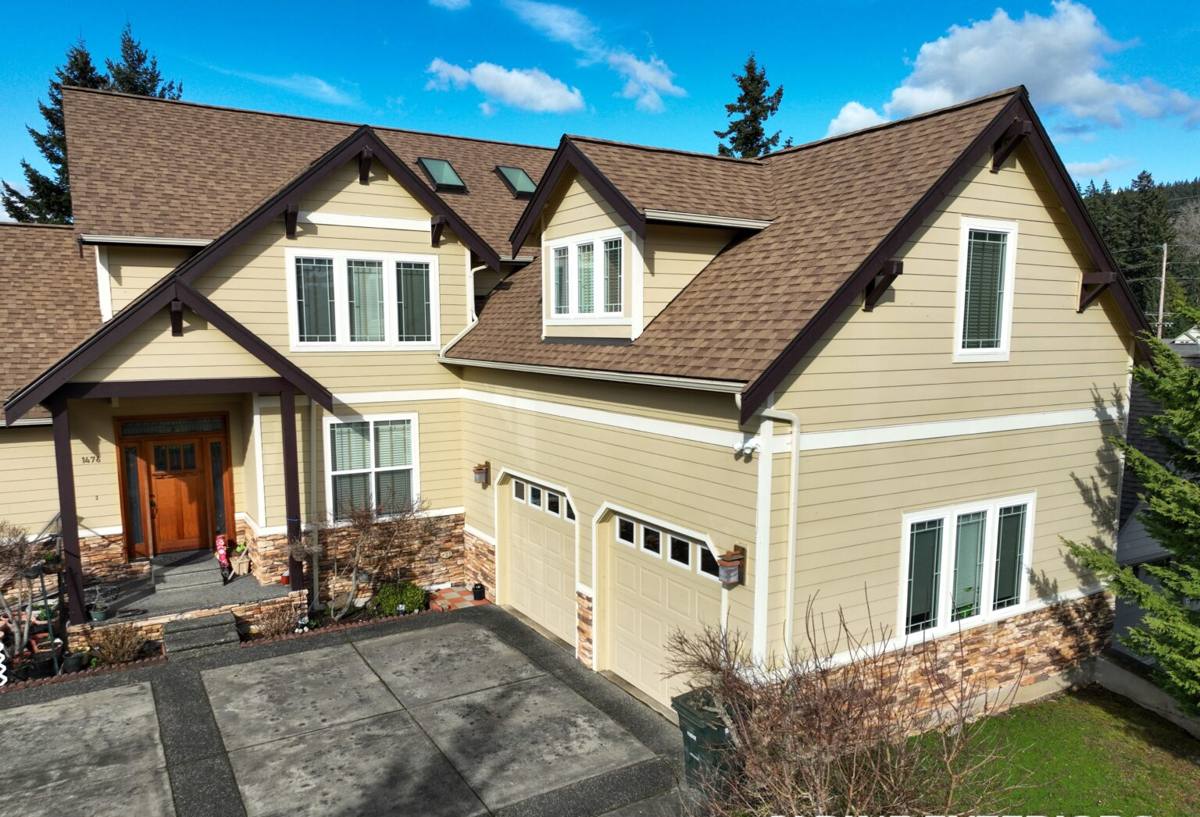
What Bellingham's Climate Does to Windows Over Time
Salt Air and Slow Corrosion
Bellingham Bay puts a steady dose of salt-laden air into the regional weather pattern, and it travels farther inland than most homeowners expect. On older aluminum-frame windows, that salt air accelerates corrosion at hardware points — hinges, cranks, and locking mechanisms — long before the glass itself fails. On vinyl windows, salt air isn't as directly corrosive to the frame, but it does accelerate the breakdown of weatherstripping and gaskets, which is often the real reason a "fine looking" window is actually leaking air and water.
Driving Rain and Wind-Driven Moisture
Whatcom County storms don't just drop rain straight down — Pacific frontal systems push rain sideways against west- and southwest-facing walls for hours or days at a stretch. That's a different load than a light-rain climate, and it's exactly the condition that exposes a poorly flashed window. Water doesn't need a big gap to get behind a frame; it needs wind pressure and enough time, and Bellingham supplies both every winter.
A Long Moss and Algae Season
Between the marine humidity, shaded lots common in Barkley's mature landscaping, and mild temperatures that never really dry things out, moss and algae growth has a long season here — often close to year-round on north-facing or shaded elevations. On windows, that shows up as green or black staining on sills and lower sashes, and more importantly as sustained dampness sitting against wood trim and frame joints for weeks at a time. Sustained dampness, not a single storm, is what actually rots wood and delaminates old vinyl welds.
Signs a Barkley Home Needs Window Replacement
Some of these are obvious from inside the house; others only show up once you're looking closely at the exterior. A few worth checking before you decide whether you need repair, replacement, or nothing at all:
- Visible condensation or fogging between the panes of a double-pane window — the seal has failed and the insulating gas is gone
- Windows that are difficult to open, close, or lock, especially on older aluminum-frame units
- Soft, spongy, or visibly rotted wood at the sill or lower frame corners
- Persistent moss or dark staining on the sill that comes back within weeks of cleaning
- A noticeable draft near the frame on a windy day, even with the window fully latched
- Paint or caulk that's cracked and pulling away from the frame edge
- A visible gap or daylight around the frame from the exterior
- Rooms near certain windows that feel noticeably colder or noisier than the rest of the house
One or two of these might mean a repair is enough. Several together, especially rot or failed seals, usually mean replacement is the more honest recommendation — patching a frame that's already compromised just delays the same problem a couple of years.
What a Correct Window Replacement Job Actually Involves
Flashing and Water Management First
The window unit itself is often not what fails first — the flashing and water management around it is. A correct install means proper flashing tape or membrane integrated with the house wrap or building paper above and around the opening, a sloped sill pan so any water that does get behind the trim drains back out instead of pooling, and sealant used at the right joints, not everywhere. Given how much wind-driven rain this region sees, skipping or rushing this step is the single biggest cause of the "new windows leaking after two years" complaints we get called out to fix on other contractors' work.
Frame Material Choice for a Marine Climate
We generally steer Barkley homeowners toward quality vinyl or fiberglass frames over bare aluminum for full replacements. Aluminum conducts cold and, in a salt-air environment, its hardware and fasteners corrode faster than the frame material itself, which is a maintenance burden more than it's a dramatic failure. Vinyl and fiberglass don't have that corrosion exposure and hold up better against the area's humidity swings. This is a professional judgment call based on long-term maintenance and moisture performance, not a claim that aluminum windows are broken products — they're just a harder fit for this specific climate.
Glass Package
Double-pane, low-E glass with argon fill is the practical standard for this climate — it manages the region's temperature swings and cuts down on the condensation issues single-pane and older double-pane units develop when warm indoor air meets cold glass. Triple-pane is available and does add performance, mainly on sound and extreme-cold days, but for most Barkley homes the jump in cost isn't matched by a proportional jump in comfort given our relatively mild winters.
Comparing Window Options for Barkley Homes
| Frame Material | Marine Climate Fit | Maintenance | Typical Lifespan |
|---|---|---|---|
| Vinyl | Good — no corrosion risk | Low; occasional cleaning | 20–30 years |
| Fiberglass | Very good — stable in temperature swings | Low | 30+ years |
| Aluminum | Fair — hardware corrodes with salt air over time | Higher; hardware upkeep | 20–25 years |
| Wood (clad exterior) | Good if properly clad and maintained | Moderate to high | 25–30+ years with upkeep |
None of these is a wrong answer in every case — a wood-clad window on a covered porch with little rain exposure behaves very differently than the same window on an exposed west wall. Part of what we do on a site visit is look at exposure, not just the window itself, before recommending a material.
What Drives Window Replacement Cost
| Factor | Why It Matters |
|---|---|
| Number and size of openings | More or larger windows means more material and labor |
| Frame material | Vinyl is typically the most budget-friendly; fiberglass and clad wood cost more |
| Condition behind the trim | Rot or water damage found during removal adds repair scope |
| Access and elevation | Second-story or hard-to-reach windows take more time and setup |
| Glass package | Standard low-E double-pane vs. upgraded glass or triple-pane |
| Full-frame vs. insert replacement | Full-frame replaces flashing and trim; insert reuses the existing frame |
We won't quote a number without seeing the openings, but we're upfront during the estimate about which of these factors are pushing your project's cost up or down, so there aren't surprises once work starts.
Full-Frame vs. Insert Replacement
This is one of the most consequential decisions on a window job, and it's worth understanding before your estimate. An insert replacement fits a new window into the existing frame, which is faster and less invasive — but it only makes sense if that existing frame and the flashing behind it are still sound. A full-frame replacement removes everything down to the rough opening, which costs more and takes longer but lets us correct old flashing mistakes, address any rot we find, and start the water management detail from scratch.
Given how much of what fails on Bellingham homes is water intrusion behind the frame rather than the glass itself, we're honest when an insert job would just be sealing a moisture problem behind a new window instead of fixing it. If the sill or framing is compromised, we'll tell you that's a full-frame situation, not talk you into the cheaper option.
Our Process, Start to Finish
- On-site estimate. We walk the exterior and interior of each window opening, check for rot, drafts, and existing flashing condition, and measure accurately rather than estimating from a quick look.
- Written proposal. You get a clear scope — material, glass package, insert vs. full-frame, and timeline — before anything is ordered.
- Ordering and scheduling. Windows are ordered to the exact measurements of your openings; we schedule around Bellingham's weather windows to avoid working openings during heavy rain.
- Removal and inspection. Old units come out carefully, and we inspect the rough opening for hidden rot or past water damage before installing anything new.
- Flashing and sealing. Sill pans, flashing tape, and sealant go in correctly the first time — this is the step that determines whether the job holds up through the next decade of Whatcom County storms.
- Installation and adjustment. New windows are set, leveled, and adjusted so they operate smoothly, not just look right from the street.
- Trim and cleanup. Interior and exterior trim is finished, and the site is cleaned up — old units and packaging hauled away, not left for you to deal with.
Why Hiring a Crew That Already Works Barkley Matters
Barkley's mix of housing ages means the same neighborhood can have a 1990s frame with original aluminum windows two doors down from a townhome with ten-year-old vinyl units that were installed without proper flashing. A crew that's worked the neighborhood has already seen both situations and knows what to check for before pulling a single window. That familiarity also extends to knowing how this region's weather actually behaves — scheduling exterior work around driving rain, not just around a forecast that says "chance of showers," and building in the flashing detail this climate demands as standard practice, not an upsell.
There's also a straightforward accountability argument: a local crew with an ongoing presence in Bellingham and Whatcom County isn't going anywhere if a warranty issue comes up two winters from now. That matters more here than in a drier climate, because water problems from a bad install often don't show themselves until the wettest months of the following year.
Get a Free, No-Pressure Estimate
If your Barkley home has windows that fog, stick, draft, or show staining that keeps coming back, it's worth having someone take an honest look before you decide between repair and replacement. Use the form below to request a free estimate — we'll walk the openings, tell you what we actually see, and give you a straight answer on what your home needs.