 Bellingham Roofing
 Siding Repair in Birchwood: What Makes This Neighborhood Different
Birchwood sits close enough to Bellingham Bay and the surrounding wetlands that homes here take on a specific mix of punishment: salt-laden air moving in off the water, long stretches of driving rain through fall and winter, and shaded, moisture-holding lots that grow moss on almost any horizontal or north-facing surface. None of that is unusual for Whatcom County. But the combination shows up in siding failure patterns that are a little different from what we see on drier, more open lots elsewhere in Bellingham, and repairing siding correctly here means understanding those patterns before you touch a single board.
This page is about one thing: repairing siding on Birchwood homes. Not a full re-side, not a general overview of siding materials — the specific work of diagnosing what's failing, fixing it so it stays fixed, and doing it in a way that matches the rest of the house.
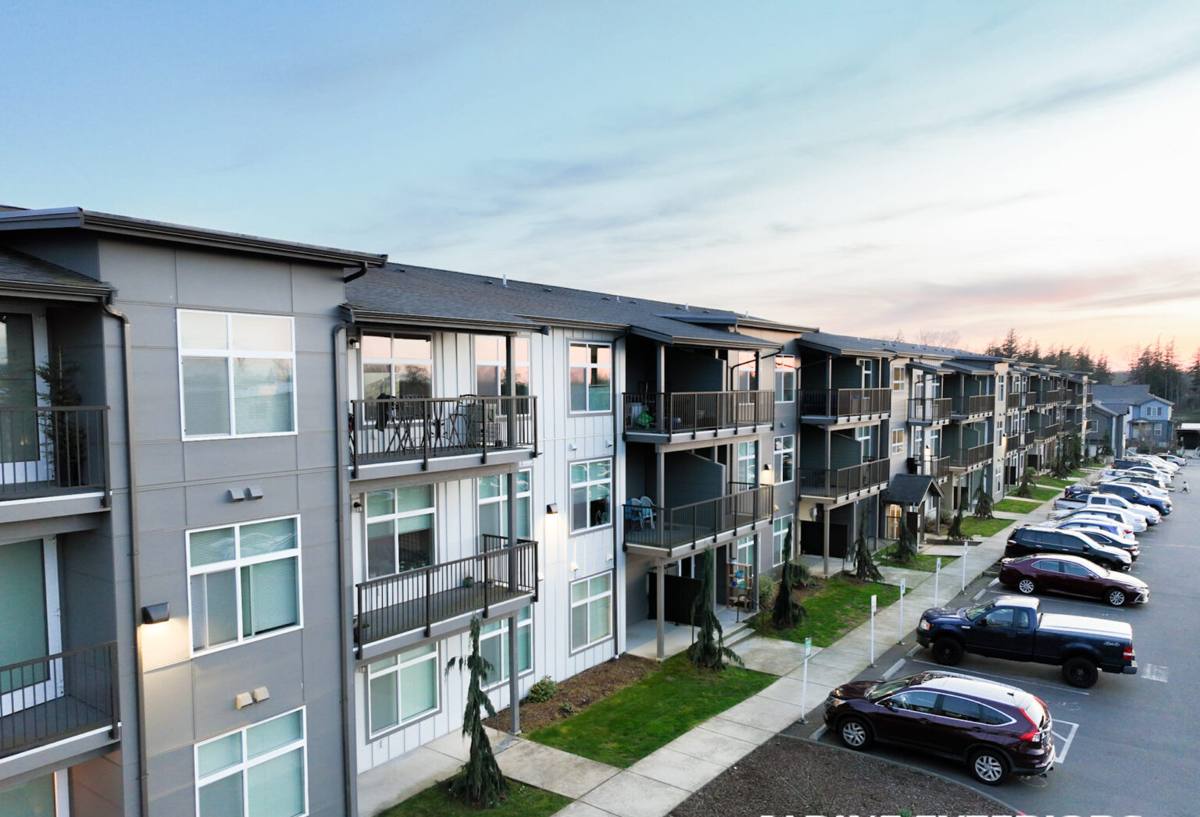
How Birchwood's Climate Attacks Siding
Salt Air and Corrosion
Proximity to the bay means airborne salt settles on exterior surfaces and on the metal fasteners, flashing, and trim that hold siding systems together. Salt exposure doesn't rot wood or fiber cement directly, but it accelerates corrosion in unprotected or under-spec fasteners, and corroding fasteners loosen boards, create rust staining, and open up gaps where water gets behind the siding. A repair that reuses corroded fasteners or the wrong fastener spec is a repair that fails again within a few years.
Driving Rain
Bellingham gets a lot of rain, but Birchwood's exposure to wind off the water means rain often arrives at an angle instead of falling straight down. Wind-driven rain finds every gap in a siding system — unsealed butt joints, poorly lapped courses, missing kick-out flashing at roof-wall intersections, caulk that's shrunk and cracked. Straight-down rain is forgiving of small installation flaws; driving rain is not.
Moss and Shade
Tree cover and cooler, damp microclimates around Birchwood's lots keep siding surfaces wet longer after storms, which is exactly what moss and algae need to establish. Moss holds moisture against the siding surface, and on materials that aren't dimensionally stable or properly sealed at the edges, that sustained moisture leads to swelling, delamination, or rot at the point of contact — long before the rest of the wall shows any sign of a problem.
What Actually Fails on Birchwood Homes
Not every siding problem looks the same, and diagnosis matters more than most homeowners expect. The most common issues we find on repair calls in this neighborhood:
- Swollen or soft panel edges — usually at the bottom courses or anywhere moss has been sitting against the siding for an extended period
- Rust streaking below fastener heads — a sign of corroding nails or screws, often from a prior repair or original install using the wrong fastener type
- Cracked or missing caulk at joints and trim — the single most common entry point for wind-driven rain
- Gaps or separation at butt joints — from movement, poor original fastening, or expansion/contraction cycling
- Missing or undersized flashing at window heads, roof-wall intersections, and deck ledgers, which lets water track behind the siding field rather than shedding off it
- Localized rot or delamination in shaded, north- or west-facing wall sections where moss cover is heaviest
A repair that only addresses the visible symptom — replacing a swollen board, for example — without correcting the moisture source behind it (missing flashing, bad caulk, moss buildup) is a repair that has to be done again in a few years. We look for the cause, not just the damaged board.
What a Correct Siding Repair Involves
1. Diagnose Before You Cut
Before removing anything, we identify why the damage happened. Is it a flashing failure, a caulk failure, a fastener problem, or moss holding moisture against the wall long-term? Cutting out a bad board without fixing the underlying cause just resets the clock on the same failure.
2. Check What's Behind the Siding
Once a section is opened up, we look at the water-resistive barrier (house wrap or building paper), the sheathing underneath, and the framing for any signs of moisture intrusion beyond the siding itself. In a wet, coastal-influenced neighborhood like Birchwood, catching sheathing or framing rot early — before it spreads — is often the difference between a same-day repair and a much bigger job.
3. Match Material and Reveal
Replacement siding needs to match the existing profile, exposure (reveal), and finish as closely as possible so the repair doesn't stand out as a patch. On older homes with discontinued profiles, this sometimes means a broader repair scope than the original problem area, so the finished wall reads as one consistent surface.
4. Fasten and Flash to Spec
Given the salt exposure in this area, fastener choice matters more here than in drier inland neighborhoods. We use fasteners rated for the material and the environment, and we correct flashing details — kick-outs, window heads, joint treatment — as part of the repair rather than just re-covering the same gaps that caused the failure.
5. Seal and Finish
Joints get properly sealed, cut edges get primed or factory-finished edges are used where possible, and paint or factory finish is matched so the repair blends rather than announces itself.
Repair vs. Replacement: How We Make the Call
| Factor | Points Toward Repair | Points Toward Full Replacement |
|---|---|---|
| Extent of damage | Isolated to one or two wall sections | Recurring failures across multiple elevations |
| Underlying sheathing | Dry, solid | Soft, rotted, or previously water-damaged |
| Material condition | Rest of siding is sound and stable | Siding is at or past its service life overall |
| Moss/moisture history | One-time or localized exposure | Chronic shade and moisture across most of the home |
| Material match | Matching product/profile is available | Discontinued profile, patch would be visibly mismatched |
Most repair calls in Birchwood are genuinely repairable — the damage is localized and the fix is straightforward once the cause is identified. But when we open a wall and find sheathing rot spreading well beyond the visible siding problem, or when a home has multiple unrelated failure points, we'll tell you honestly if a repair is a short-term patch versus a real long-term fix, and let you decide with full information.
Why We Only Repair and Install James Hardie Fiber Cement
When a repair does call for new siding material — whether it's a patch or the homeowner decides to move forward with a broader replacement — we work exclusively in James Hardie fiber cement. It's a deliberate standard, not a default. Fiber cement doesn't absorb water and swell the way wood or wood-composite products can, and it's non-combustible, which matters more every wildfire season in the Pacific Northwest. Hardie's ColorPlus factory finish holds color and resists the kind of fading and touch-up patchwork that plagues field-painted siding in a wet climate like Whatcom County's.
For a neighborhood dealing with salt air, driving rain, and heavy moss cover, dimensional stability and moisture resistance aren't nice-to-haves — they're the difference between a repair that lasts and one you're calling about again in three years. That's the whole reason we standardized on one product line instead of offering several: we'd rather stand behind one system we trust completely than install something we know will bring the homeowner back sooner than they should have to call.
Our Process for Birchwood Repair Calls
- Inspection — we walk the affected areas and, where accessible, check behind visible damage to confirm the actual cause
- Honest scope — you get a clear explanation of what's failing, why, and whether it's a spot repair or something larger
- Written estimate — no pressure, no inflated scope, a clear breakdown of the work
- Repair — matched material, correct fasteners for a salt-air environment, corrected flashing and sealant details
- Cleanup and finish check — the repair should be hard to spot once it's painted and dry
Why Hiring a Crew That Knows Birchwood Matters
Siding repair mistakes in this neighborhood usually come from treating it like any other Bellingham lot — same fastener spec, same flashing detail, same assumption about how much sun a wall gets. A crew that's worked Birchwood before knows which elevations tend to hold moss longest, which fastener choices actually hold up against salt exposure over time, and where flashing details get skipped on production-built homes in this area. That local pattern recognition is what keeps a repair from becoming a callback.
Get an Estimate
If you're seeing swollen boards, rust streaking, cracked caulk, or moss buildup on your Birchwood home's siding, it's worth getting eyes on it before the damage spreads to the sheathing underneath. Fill out the form below for a free, no-pressure estimate — we'll look at what's actually happening and give you a straight answer on whether it's a repair or something more.