 Bellingham Roofing
 Windows in Sudden Valley Face a Different Set of Problems
Sudden Valley sits back in the trees along Lake Whatcom, and that setting does a lot of good things for the neighborhood — privacy, shade, quiet. It's also exactly the kind of setting that's hard on windows. Homes tucked under a tree canopy dry out slower after a storm than homes out in the open. Add in the driving rain that comes through Whatcom County off the water, a moss season that stretches for months, and the salt-laden air that moves in off Bellingham Bay and up through the county, and you've got a combination that finds every weak point in a window's flashing, seal, or finish. A window that would hold up fine on a sunny, open lot in a drier part of the state can start failing years early out here if it wasn't installed with this specific climate in mind.
That's the core of what we mean by "custom" on this page — not just windows cut to a nonstandard opening, but a window and installation approach matched to how Sudden Valley's shade, moisture, and rain actually behave on a house.
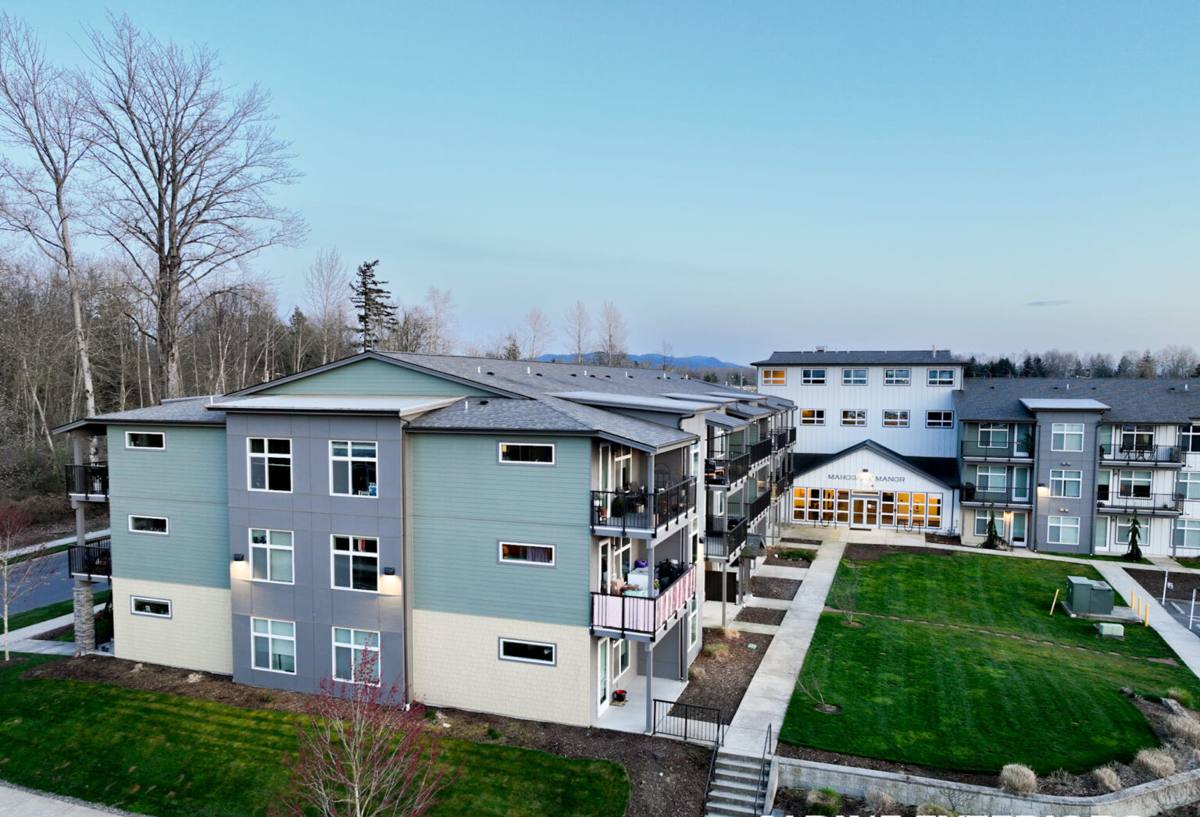
What "Custom" Actually Means for a Window Job Here
Not every window job is a straightforward swap. In a lake community with a mix of older cabins, additions, and remodels, we run into openings that don't match anything off a standard size chart. Custom work usually covers:
- Openings that were framed by hand decades ago and don't match modern stock sizes
- Angled or vaulted walls common in A-frame and chalet-style lake homes
- Additions where the roofline or siding transition changes how a window needs to be flashed
- Picture windows or window groupings built to take advantage of lake or forest views
- Replacing a window that's been patched or reframed before, sometimes more than once
In these cases, we measure the actual opening on site rather than trusting old permits or builder specs, and we order the unit to match the house — not the other way around. Forcing a stock-size window into a nonstandard opening is one of the most common ways a "new" window ends up leaking within a year or two.
Signs Your Current Windows Are Losing the Fight
Fogging and Condensation
Persistent fog or moisture between the panes means the seal on an insulated glass unit has failed. This shows up faster on shaded, north-facing walls where glass never gets a chance to fully dry out.
Soft Wood and Peeling Trim
Press a screwdriver gently into the sill or the trim around the frame. If it sinks in instead of resisting, moisture has already gotten into the wood. This is one of the most common issues we find on older homes in wooded, shaded lots.
Moss and Green Staining
Moss doesn't just grow on roofs. On window sills, trim, and the top of frames, moss and algae staining are a sign that water is sitting somewpsere it shouldn't — usually a flashing or drainage issue, not just a cosmetic one.
Drafts and Sticking Sashes
Wood swells when it takes on moisture and shrinks when it dries out. A window that used to open easily and now sticks, or that lets in a draft you can feel with your hand, is telling you the frame is moving more than it should.
Use this quick checklist next time you walk the outside of the house:
- Run a hand along the bottom of each sill for softness or give
- Look for moss, dark streaking, or peeling paint below and beside the frame
- Check for daylight or drafts around the interior frame on a windy day
- Open and close each window — sticking or grinding is a warning sign, not just an annoyance
- Look at the caulk line where the frame meets the siding; cracked or missing caulk lets water behind the trim
Choosing Materials That Hold Up in This Climate
There's no single "best" window material for every house — it depends on exposure, budget, and how much upkeep you want to take on. Here's how the common options compare for a shaded, wet-climate lake community like Sudden Valley:
| Material | Moisture Resistance | Maintenance | Typical Cost Factor |
|---|---|---|---|
| Vinyl | Very good — won't rot, resists moss staining | Low; occasional cleaning | Lower |
| Fiberglass | Excellent — very stable in wet, shaded conditions | Low | Mid to higher |
| Wood | Fair — needs a sound finish and good flashing to avoid rot | High; periodic refinishing | Higher |
| Wood-clad (wood interior, metal or vinyl exterior) | Good — exterior shell protects the wood core | Moderate | Higher |
| Aluminum | Fair — prone to condensation without a thermal break | Low | Mid |
We're honest with clients about this: solid wood windows can look beautiful, but on a shaded lot with long stretches of damp weather, they demand real upkeep — a homeowner who's willing to stay on top of finish maintenance can do very well with them, but one who isn't will see problems sooner. Vinyl and fiberglass ask a lot less of you over the years, which is why we recommend them more often for exposed or heavily shaded elevations.
How We Approach a Window Job in Sudden Valley
1. On-Site Measurement and Inspection
We measure every opening by hand and check the surrounding framing, sheathing, and sill for hidden moisture damage before ordering anything. This is also when we flag any rot that needs to be cut out and repaired before a new window goes in — installing a good window into a compromised opening just hides the problem for a few years.
2. Removal Without Guesswork
When the old window comes out, we take a real look at what's behind the trim. This is often the first time in years anyone has actually seen the condition of the framing, and it's where we catch issues before they become expensive.
3. Flashing and Weatherproofing
This is the step that determines whether a window lasts five years or twenty-five. We integrate flashing with the house wrap or building paper in the correct shingle-lap order — top piece over the side pieces, side pieces over the sill pan — so water is directed out and down, never behind the siding.
4. Installation and Sealing
The window gets set plumb and level, shimmed correctly so it isn't relying on fasteners alone to hold its shape, and sealed with the right sealant for the surface — not just whatever caulk happens to be on the truck.
5. Interior and Exterior Finish Work
Trim gets reinstalled or replaced, gaps get insulated properly, and the exterior is cleaned up so the finished job looks like it belongs on the house, not bolted onto it.
Flashing: The Part That Actually Determines Whether a Window Leaks
Most window failures we get called out for aren't a bad window — they're a flashing problem. Driving rain, the kind Whatcom County gets regularly off the water, doesn't just fall straight down. It gets pushed sideways and up under trim and siding edges. A window that's caulked well but not properly flashed underneath will eventually let water behind the wall, and by the time it shows up as a stain or soft spot on the inside, it's usually been happening for a while. On shaded lots where siding takes longer to dry between storms, that trapped moisture has even more time to do damage. Correct flashing — sill pans, head flashing, and proper integration with the water-resistive barrier — isn't optional detailing. It's the difference between a window that just looks fine and one that actually is fine.
Living With Moss and Long-Term Upkeep
Moss season in this part of Washington isn't a minor nuisance — on shaded lake lots it can run for the better part of the year. Moss and algae hold moisture against wood and painted surfaces far longer than bare wood would dry on its own, which is why window sills and trim in shaded spots often show wear before anything else on the house. A few habits go a long way:
- Brush or rinse visible moss and algae off sills and trim a couple times a year rather than letting it build up
- Keep gutters clear so overflow isn't running down past window heads
- Trim back branches or foliage that keep a window in constant shade and slow drying
- Re-caulk gaps as soon as you notice cracking, rather than waiting for a full season
None of this replaces a correctly installed window, but it does stretch the life of one considerably.
Why Local Experience in a Neighborhood Like This Matters
Sudden Valley has its own rhythm — winding, tree-lined roads, steep and wooded lots, and gate or access considerations that a crew unfamiliar with the neighborhood can lose real time working around. A crew that's worked here before knows to plan deliveries and scheduling around those realities, knows what shaded, slow-drying wall sections tend to look like once trim comes off, and doesn't need to relearn the neighborhood on your dime. We also work around Bellingham and Whatcom County's rain patterns deliberately — timing the exposed, no-window-in-the-wall phase of a job for the driest window realistically available, so your home isn't sitting open during a downpour.
Let's Take a Look at Your Windows
If you're seeing fogged glass, soft trim, moss buildup, or drafts around your windows, it's worth a look before another wet season adds to the damage. We offer a free, no-pressure estimate — we'll walk the exterior with you, point out what we find, and give you an honest read on what your windows actually need. Use the form below to get started.