 Bellingham Roofing
 Window Installation Built for Edgemoor's Coastal Climate
Edgemoor sits close enough to Bellingham Bay that homes here take on weather differently than houses further inland in Whatcom County. Salt-laden air off the water works on metal hardware and finishes year-round. Driving rain off Puget Sound pushes water sideways into gaps that would stay dry in a calmer climate. And the long, wet moss season coats north-facing walls, sills, and anything that holds shade and moisture. Windows in Edgemoor aren't just glass and frame — they're one of the main defenses a house has against all three of these conditions at once.
A window installation that would hold up fine in a drier part of the state can fail here within a few years if it wasn't detailed for this specific environment. That's the gap we focus on closing: not just setting a window in an opening, but installing it the way Bellingham's climate actually demands.
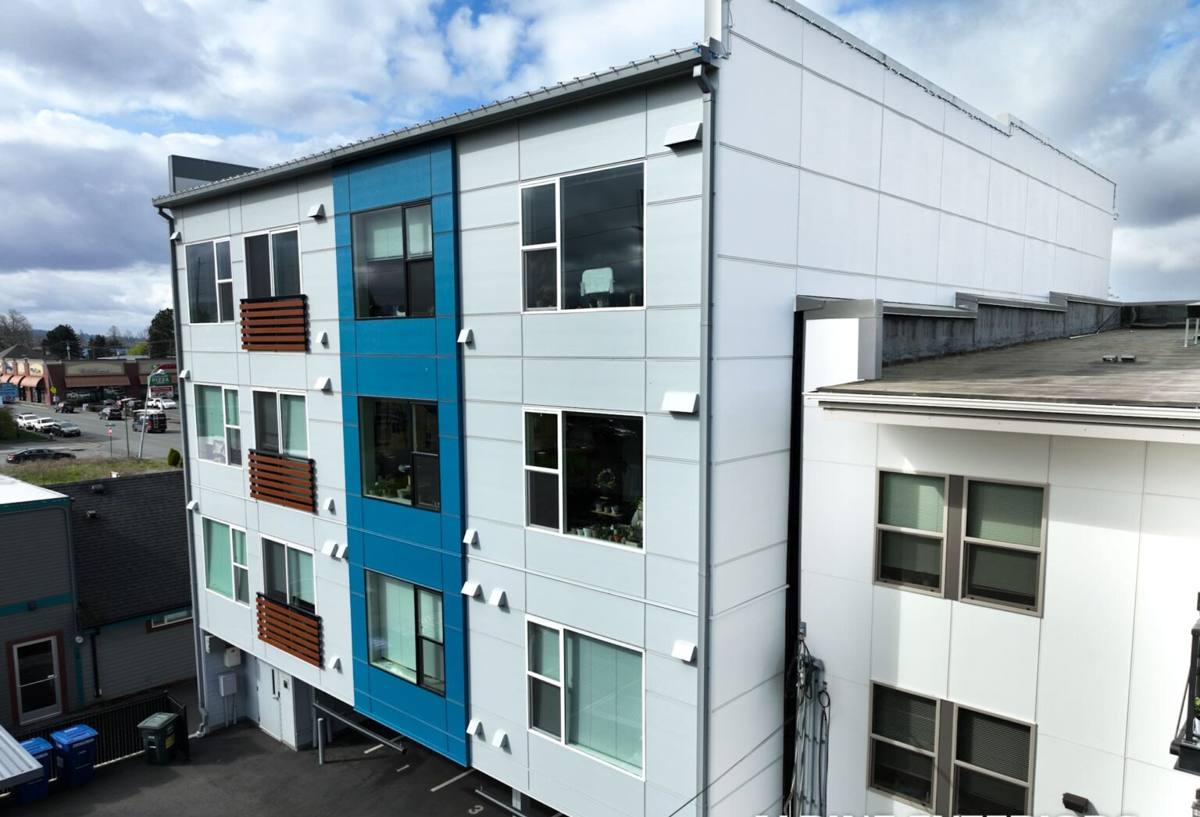
What Bellingham's Marine Climate Does to Windows Over Time
It helps to understand what's actually working against a window installation in a neighborhood like Edgemoor:
- Salt air corrosion — proximity to the bay accelerates oxidation on lower-grade aluminum hardware, screws, and cladding fasteners, leading to stuck locks, streaking, and premature finish failure.
- Wind-driven rain — storms off the water don't just fall, they push. Water gets forced sideways and upward into any weak seam, which is why flashing detail matters more here than in sheltered inland areas.
- Extended moss and algae season — Whatcom County's wet, mild winters keep shaded surfaces damp for months, and moss holds moisture directly against sills, trim, and cladding if it's allowed to establish.
- Sustained humidity — even without visible rain, marine air keeps ambient moisture high, which shows up as interior condensation on underperforming glass or poorly sealed frames.
None of these forces show up all at once. They accumulate — a little corrosion here, a little trapped moisture there — until a window that looked fine for years starts leaking, sticking, or fogging between the panes. A correct installation slows every one of these processes down.
Retrofit vs. New Construction Installation
Many Edgemoor properties are established homes with older openings, which usually means a retrofit (also called "pocket" or "insert") installation rather than a full new-construction installation. Knowing which approach fits your house matters, because the wrong choice affects both water management and long-term performance.
| Factor | Retrofit Installation | New Construction Installation |
|---|---|---|
| Best used when | Existing frame and flashing are sound; siding stays in place | Siding is being removed/replaced, or the opening needs resizing |
| Disruption to siding | Minimal — works within the existing opening | Requires removing siding around the window |
| Access to flashing/sheathing | Limited — relies on the condition of existing water management | Full access to inspect and correct flashing at the sheathing layer |
| Typical timeline | Faster per window | Longer, more labor-intensive |
| Where it matters most in Edgemoor | Homes with sound siding and no history of leaks | Homes with known water intrusion, rot, or a siding project already underway |
We don't default to one method. If a retrofit is proposed on an opening that shows signs of past water intrusion, we'll say so before starting — patching new glass into a compromised opening just hides the problem instead of solving it.
Choosing Window Materials for a Salt-Air Neighborhood
Frame material choice matters more in Edgemoor than it would a few miles inland. A few honest trade-offs worth knowing:
Vinyl
Vinyl frames resist corrosion entirely since there's no bare metal exposed to salt air, and they perform well thermally. The trade-off is that lower-end vinyl can look and feel less substantial on higher-end or architecturally detailed homes, which is common in Edgemoor's older housing stock.
Fiberglass
Fiberglass holds up extremely well against both moisture and temperature swings, doesn't corrode, and takes paint well if you want to match existing trim. It typically costs more than vinyl but is a strong fit for a coastal, high-moisture setting.
Wood and Wood-Clad
Wood interiors with a clad (usually aluminum or fiberglass) exterior give a traditional look many Edgemoor homes call for, but the cladding quality and the seal where wood meets cladding is critical — done poorly, moisture gets trapped where you can't see it. We're selective about which clad products we'll stand behind for this reason, not because any one product is inherently bad, but because installation sensitivity is high and callbacks are expensive for everyone.
Aluminum
Aluminum frames are durable structurally but are the most exposed to the corrosion issue described earlier unless they're a marine-grade or well-anodized product. We'll flag this trade-off directly if aluminum is on the table for a bay-facing elevation.
Flashing and Water Management: Where Installations Actually Fail
Most window failures we see aren't glass failures — they're water management failures. The glass unit itself rarely lets go first; it's the flashing, sealant, and integration with the house wrap or building paper that gives out, especially under the wind-driven rain this area gets.
A correct installation in Edgemoor's conditions includes:
- Inspecting the existing sheathing and framing for hidden rot or prior water damage before setting the new unit.
- Installing sill pan flashing so any water that does get past the window has a path back out, instead of pooling against the framing.
- Integrating flashing tape and house wrap in the correct shingle-lap order, so water sheds down and out rather than being channeled inward.
- Sealing and backer-rodding the exterior perimeter with a product rated for sustained UV and moisture exposure, not a general-purpose caulk that will crack within a couple of seasons.
- Confirming proper shimming and squaring so the sash operates smoothly and the compression seals close evenly — an out-of-square install stresses seals unevenly and shortens their life.
Skipping any one of these steps might not show a problem for a year or two. In a driving-rain climate, it eventually will.
Energy Efficiency and Condensation in a Marine Climate
Whatcom County doesn't hit the extreme cold of eastern Washington, but the combination of persistent damp air and cool temperatures creates its own efficiency and condensation challenges. Interior condensation on window glass or between panes is usually a sign of an aging seal or an underperforming glass package, not just "normal" winter weather.
For most Edgemoor homes, a dual-pane, low-E glass package with a warm-edge spacer is a sound baseline — it manages heat loss and helps limit condensation buildup during the wetter months. Triple-pane is worth discussing on north-facing or particularly exposed elevations, but it's not automatically necessary everywhere on a house, and we'll tell you where it does and doesn't make a practical difference rather than upselling it across the board.
Cost Factors for a Window Installation in Edgemoor
Every home and opening is different, so we won't quote a number without seeing the job, but these are the main factors that move the price:
| Factor | Why it affects cost |
|---|---|
| Retrofit vs. new construction | New construction requires siding removal and more labor around the opening |
| Frame material | Vinyl, fiberglass, and wood-clad carry different material costs and installation labor |
| Number and size of openings | Larger or custom-sized units and bulk window counts affect per-unit pricing |
| Condition of existing framing | Hidden rot or prior water damage found during removal adds repair scope |
| Elevation and access | Upper-story or hard-to-reach openings take more time and equipment |
| Glass package | Low-E coatings, gas fill, and triple-pane options add cost where they add value |
Be cautious of any quote that skips a physical inspection — on a house this close to the bay, what's happening at the framing and sheathing level matters as much as the window unit itself.
Why a Crew That Already Works in Edgemoor Makes a Difference
A crew that's worked other homes in this neighborhood already knows what to expect: which elevations take the worst of the wind-driven rain, how moss establishes on shaded sills, and how salt exposure tends to age hardware faster than manufacturer literature suggests. That familiarity shows up in small decisions — which side of the house gets the extra flashing detail, which hardware finish will actually hold up, when a retrofit is genuinely fine versus when it's masking a bigger problem.
It also means fewer surprises during the project. Older Bellingham-area homes vary widely in how they were originally built and what's been altered since, and a crew with local reps has usually seen a similar situation before.
Before You Hire, Check For:
- A physical, in-person inspection before any firm quote is given.
- A clear explanation of retrofit vs. new-construction installation for your specific openings.
- Written detail on flashing and water management, not just "we'll seal it up."
- A frame material recommendation that accounts for salt air exposure on bay-facing walls.
- References or completed work in the greater Bellingham or Whatcom County area.
- A warranty that covers both the window unit and the labor/installation separately.
Let's Take a Look at Your Windows
If your windows are sticking, fogging, drafty, or showing water staining, the cause is usually visible once someone knows what to look for. We offer free, no-pressure estimates for Edgemoor homeowners — we'll walk the exterior, check the openings in question, and give you a straight read on what's going on and what it would take to fix it. Use the form below to get started.