 Bellingham Roofing
 Board & Batten Siding in the Puget Area
Board and batten is one of the most recognizable siding profiles in the Pacific Northwest, and it's a strong fit for the mix of older farmhouses, craftsman-style homes, and newer builds you find around Puget. The vertical lines give a home real presence from the street, and the batten strips create a shadow pattern that changes with the light through the day. But the look is only half the story. In this part of Whatcom County, the siding also has to hold up to salt-laden air off the water, long stretches of driving rain, and a moss season that can run most of the year. A board and batten job that isn't built for that environment will show problems within a few winters — usually at the battens first.
This page covers what board and batten siding needs to do in Puget specifically, what a correctly built system looks like, and how our crew handles the job from first look to final walk-through.
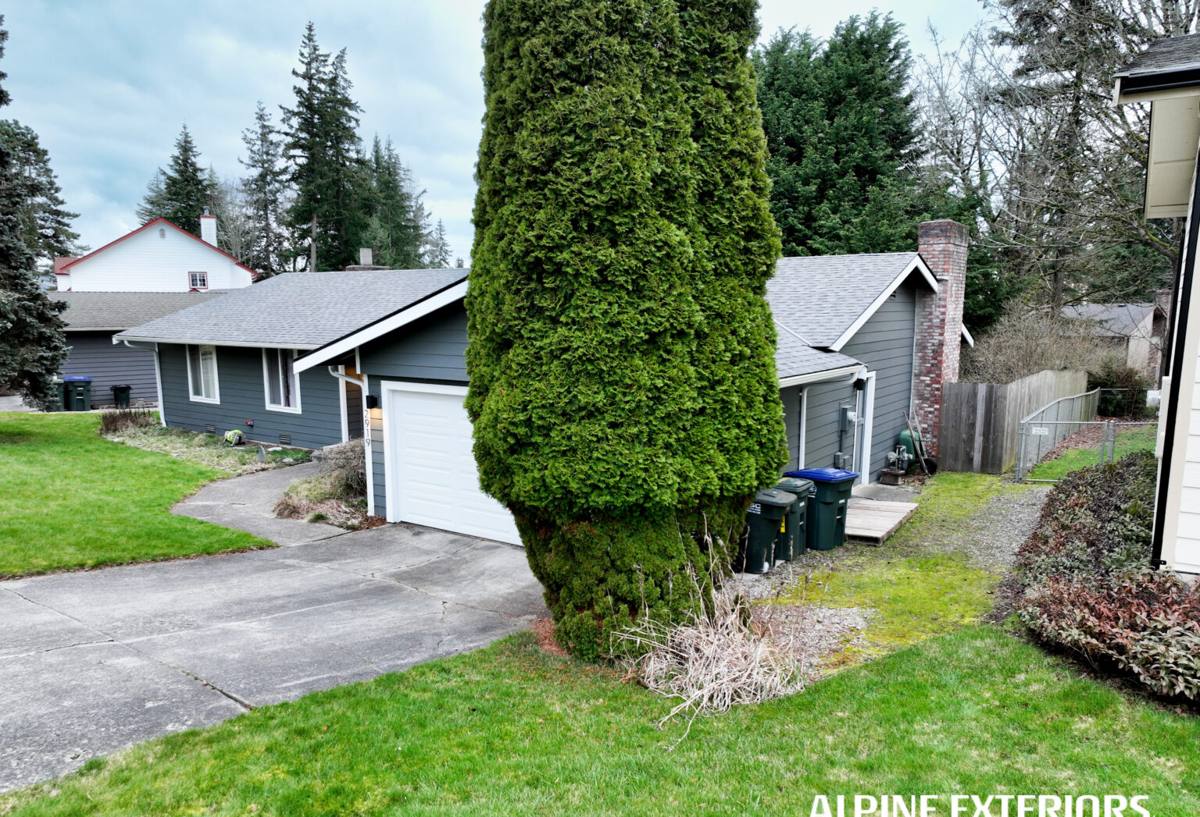
Why Puget's Climate Is Hard on Vertical Siding
Board and batten is a vertical siding system, and vertical seams behave differently than the horizontal lap siding most homes wear. Every vertical joint where a batten meets a board is a place water can find its way behind the cladding if it isn't detailed correctly. Combine that with Puget's local conditions and the margin for error gets small fast.
Salt Air
Homes closer to Bellingham Bay and the surrounding waterways deal with a fine mist of salt-carrying air, especially during windier weather. Salt accelerates corrosion on exposed metal fasteners and flashing, and it draws moisture into porous or poorly sealed wood siding faster than plain rain does. Any board and batten system in this area needs fasteners and flashing that are rated for that exposure, not just standard hardware.
Driving Rain
Wind-driven rain off the Sound doesn't fall straight down — it hits siding at an angle, which means it actively pushes against vertical seams and batten edges instead of just running off them. A batten that's face-nailed straight through into the board underneath, without a gap or drainage path behind it, gives that wind-driven water a direct route to trapped moisture.
Moss and Sustained Dampness
Whatcom County's moss season is long, and north-facing or shaded walls in Puget rarely get a chance to fully dry out for months at a time. Moss and algae hold moisture against the siding surface, and on wood-based products that constant dampness is what starts rot at board edges and batten seams. The siding material and the finish both need to resist that, not just look good on day one.
What a Correct Board & Batten Job Actually Involves
A lot of what determines whether board and batten siding lasts in this climate happens before the first board goes up.
Water-Resistive Barrier and Drainage Plane
Every wall needs a continuous water-resistive barrier behind the siding, with all penetrations, seams, and transitions properly lapped and sealed. Behind that, a drainage gap lets any water that does get past the siding run down and out instead of sitting against the sheathing.
Flashing at Every Transition
Windows, doors, roof-to-wall intersections, and any horizontal trim need metal flashing that directs water outward, not into the wall assembly. This is the detail that separates siding that lasts decades from siding that needs to be pulled apart in five years.
Fastener Placement and Spacing
Boards and battens need to be fastened according to the manufacturer's engineering — correct nail spacing, correct distance from panel edges, and fasteners rated for coastal exposure. Battens should be fastened to land on the framing or furring underneath, not just into the board face, so the whole assembly can move with seasonal wood movement without splitting.
Clearances
Bottom edges need proper clearance from grade, decks, patios, and roof lines so the siding isn't sitting in standing water or splash-back. This is an easy detail to overlook and one of the most common causes of early rot we see on homes that had cheaper installs done before.
Why We Only Install James Hardie for Board & Batten
We install James Hardie fiber cement exclusively — we don't do board and batten in vinyl, LP SmartSide, primed spruce, or cedar. That's not a marketing position, it's a practical one based on what actually holds up on Puget-area homes.
Wood-based battens and boards, even primed ones, are organic material. In a climate with this much sustained moisture and moss growth, wood siding needs regular re-sealing and repainting to keep water out at the seams, and even with good maintenance it's vulnerable to rot at cut edges and fastener holes over time. Vinyl board and batten sheds water reasonably well but can warp or crack in temperature swings and doesn't hold paint if a homeowner ever wants to change the color.
James Hardie fiber cement is non-combustible, engineered specifically for high-moisture climates in its HZ5 product line, and finished with the ColorPlus factory finish system, which resists fading and doesn't need repainting on the same schedule as field-painted wood. It's dense enough to resist moss and algae staining better than porous wood substrates, and it holds its shape and paint line at seams instead of shrinking or swelling with the seasons. For board and batten specifically, where seam integrity is everything, that stability matters more than it does on most other siding profiles.
Board & Batten Material Comparison
| Factor | James Hardie Fiber Cement | Cedar / Primed Wood | Vinyl |
|---|---|---|---|
| Moisture resistance | Engineered for wet climates (HZ5) | Absorbs moisture; needs sealed edges | Sheds water but can trap it behind panels |
| Moss/algae resistance | Dense, resists staining | Porous, prone to moss growth | Moderate; moss grows on surface film |
| Fire rating | Non-combustible | Combustible | Combustible |
| Repainting needs | Factory finish, long repaint interval | Repaint every few years | Cannot be painted easily if faded |
| Seam stability | Minimal expansion/contraction | Swells and shrinks with seasons | Can warp in temperature swings |
Our Process for a Puget Board & Batten Project
1. On-Site Assessment
We start by looking at the existing wall assembly, checking for any signs of past moisture damage, and assessing sun and wind exposure on each elevation — a shaded north wall near mature trees gets treated differently than a sun-exposed south wall.
2. Water Management Plan
Before any siding goes up, we plan out the water-resistive barrier, drainage gap, and flashing details for every window, door, and transition specific to that house.
3. Installation to Manufacturer Spec
Boards, battens, fasteners, and spacing are all installed per James Hardie's published installation guidelines — this is what keeps the warranty valid and what actually keeps the wall dry.
4. Final Walk-Through
We walk the finished job with the homeowner, cover basic care, and make sure every elevation is checked before we consider it done.
What to Check Before Hiring Anyone for Board & Batten
- Do they install to the manufacturer's published fastener and flashing specs, not just "how it's always been done"?
- Can they explain their drainage plane and water-resistive barrier approach for your specific walls?
- Do they have current experience with homes in this climate, not just siding in general?
- Will the installation keep the manufacturer's warranty intact, and can they explain what that warranty actually covers?
- Do they give you a written scope that specifies material, fastener type, and flashing details — not just a square-footage price?
Why a Crew That Already Works Puget Matters
Siding work isn't identical from one part of Bellingham to another. A crew that regularly works in and around Puget has already seen how the wind comes off the water on this stretch of coastline, which elevations stay damp longest through moss season, and where past installs in the area have failed. That local pattern recognition shows up in small decisions — extra flashing at a vulnerable transition, tighter fastener spacing on a wind-exposed wall — that a generic installation crew working from a standard spec sheet won't necessarily catch.
It also means faster, more informed answers when something comes up mid-project, and a crew that isn't learning the local climate on your house for the first time.
Maintenance After Installation
Even a well-installed board and batten system benefits from basic upkeep. A yearly visual check of caulked joints and trim, keeping gutters clear so water isn't overflowing onto the siding, and gently washing off moss or algae buildup on shaded walls will keep the system performing the way it's designed to. James Hardie's ColorPlus finish reduces how often repainting is needed, but it's still worth a look each year, especially after a hard winter.
If you're considering board and batten siding for a home in Puget, we're happy to come take a look and walk you through what your specific walls need. Reach out for a free, no-pressure estimate using the form below.