 Bellingham Roofing
 Building New in Sehome? Windows Are Not an Afterthought
If you're framing a new home, an addition, or a full teardown-rebuild in Sehome, the windows are one of the few components that touch nearly every other trade — framing, siding, roofing, interior trim, and the weather barrier all have to line up around each opening. Get the window install right during framing and everything downstream goes smoothly. Get it wrong, and you're chasing leaks, drafts, and callbacks for years, often behind finished siding where the problem is invisible until it's expensive.
Sehome sits close to Bellingham Bay and up against Sehome Hill, which means new builds here deal with a mix of exposure — some lots catch wind and driving rain straight off the water, others sit shaded and damp under tree cover most of the year. Either way, the windows going into a new-construction opening need to be installed to handle Whatcom County's wet season, not just look good on move-in day.
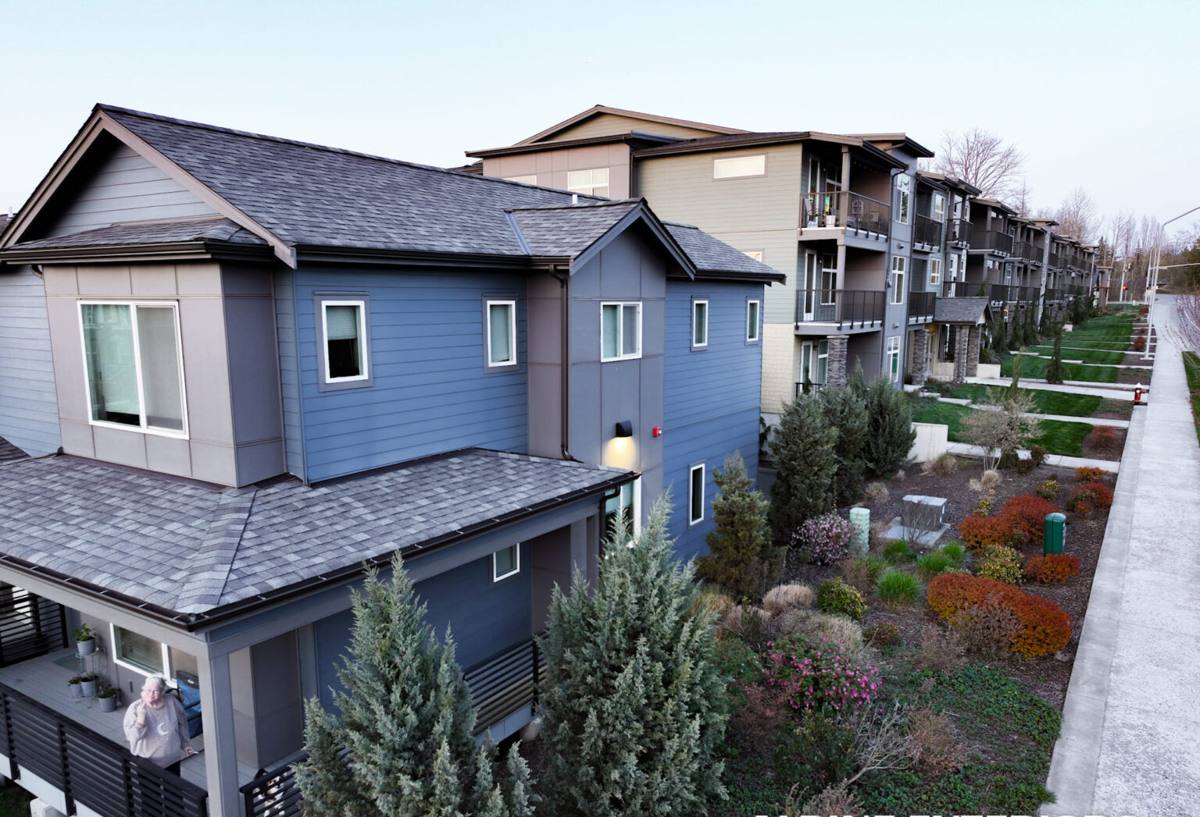
What Bellingham's Climate Demands From New-Construction Windows
Whatcom County doesn't get extreme heat or cold, but it makes up for that with sustained moisture. Three things matter most for a new build in Sehome:
Salt Air and Corrosion
Proximity to the Bay means airborne salt settles on exterior surfaces over time. This mostly affects hardware — hinges, cranks, locks, and fasteners — more than the window unit itself. We factor this into hardware selection and flashing metal choices so corrosion doesn't become a 5-year problem.
Driving Rain
Wind-driven rain doesn't just fall on a window — it gets pushed sideways and upward under sills and around trim. A new-construction opening gives us a rare chance to build the drainage plane correctly from scratch, with sill pans, back dams, and properly lapped flashing, before any siding goes on to hide mistakes.
Moss and Prolonged Dampness
Bellingham's long wet season keeps north-facing and shaded walls damp for weeks at a time. Moss and algae growth around window trim isn't just cosmetic — trapped moisture at trim joints and sills is where rot starts. New-construction detailing (proper kerf sealant, back-primed trim, ventilated sills) heads this off before it ever becomes a maintenance headache.
New-Construction vs. Replacement Windows — Know the Difference
These are genuinely different products and different jobs, and mixing them up on a bid is a common source of confusion for homeowners and builders alike.
| Factor | New-Construction Window | Replacement (Retrofit) Window |
|---|---|---|
| When it's used | New builds, additions, full wall openings | Existing openings, siding staying in place |
| Attachment method | Nailing fin, fastened to sheathing before siding | Fastened through existing frame or with a flush-fin/block-frame method |
| Flashing access | Full access to sheathing and WRB — best possible seal | Limited access; relies on sealant and existing conditions |
| Best outcome for | Long-term water management, energy performance | Speed, minimal disruption to interior/exterior finishes |
For a Sehome new build, you want the new-construction version done right — it's the only chance to build a fully accessible, fully lapped drainage plane around every opening.
What a Correct New-Construction Window Install Involves
A window unit is only as good as the opening it sits in. The steps that actually determine whether a window stays dry for 20+ years happen before the window is even set:
- Rough opening check — squared, correctly sized, level sill
- Sill pan flashing — a sloped, sealed pan under the opening so any water that gets past the window drains back out, not into the wall
- Weather-resistive barrier (WRB) integration — the house wrap or building paper has to lap correctly with the window flashing, shingle-style, so water always sheds downward and outward
- Nailing fin fastening — fastened per manufacturer spacing to hold up under wind load and driving rain without pulling loose
- Flashing tape at the head, jambs, and sill — sealed in the correct sequence (sill, jambs, head) so each layer overlaps the one below it
- Interior air sealing — low-expansion foam or backer rod and sealant around the frame, separate from the exterior weatherproofing
- Exterior trim and caulking — back-primed trim with a paintable, flexible sealant at the final joint
Skip or rush any one of these and the window itself — even a premium one — won't perform the way it's rated to. Most of the leaks we get called out to inspect in newer Whatcom County homes trace back to a flashing sequence error, not a defective window.
Choosing the Right Window Products for a Sehome Build
There's no single "best" window brand — the right choice depends on the home's design, budget, and exposure. What we do steer clients toward, and away from, for this climate:
Frame Material
Vinyl performs well on budget and mid-range builds and holds up fine to Bellingham's moisture when installed correctly. Fiberglass costs more but resists expansion/contraction better across our region's temperature swings, which keeps seals tighter over time. Wood and wood-clad windows look great but demand more upkeep in a climate this wet — we're honest with clients about that maintenance commitment before they commit to the look.
Glazing
Double-pane with a low-E coating is the practical baseline here — it's not about summer heat, it's about cutting condensation and heat loss during our long stretch of gray, wet months. Argon-filled units are a worthwhile upgrade for the marginal cost.
Hardware
Given the salt air off the Bay, we recommend corrosion-resistant hardware finishes on exposed cranks, locks, and hinges, especially on west- and south-facing elevations that catch the most weather.
Our Process From Framing to Final Trim
- Rough-in review — we check openings against window schedules before drywall or siding crews are scheduled, catching sizing issues while they're cheap to fix
- Flashing and sill pan install — done to a consistent sequence on every opening, not left to individual crew judgment
- Window setting and fastening — shimmed, squared, and fastened to manufacturer spec
- WRB tie-in — integrated with whatever house wrap or barrier system the builder is using
- Interior/exterior sealing — air sealed inside, weatherproofed outside, kept as two separate systems
- Final trim and walkthrough — operation checked on every unit, trim back-primed and caulked
We coordinate directly with framers, siding crews, and GCs on Sehome jobs so window install doesn't become the schedule bottleneck — or the thing everyone blames when a wall leaks two winters later.
Why Hiring a Crew That Already Works Sehome Matters
Sehome's mix of hillside lots, mature tree cover, and proximity to the Bay means no two builds see quite the same exposure. A crew that's worked this specific neighborhood knows which elevations tend to catch the worst wind-driven rain, where moss and shade cause the most trim trouble, and how local siding and WRB choices typically get detailed around openings. That local pattern recognition is the difference between a spec sheet and a window that's actually built for the wall it's sitting in.
We also know the practical side of building in Bellingham and Whatcom County — coordinating around our wet-season work windows, working cleanly around other trades on active job sites, and standing behind the installation, not just the window itself.
Cost Factors on a New-Construction Window Job
| Factor | How It Affects Cost |
|---|---|
| Number and size of openings | More/larger openings mean more flashing, labor, and material |
| Frame material | Vinyl is most budget-friendly; fiberglass and wood-clad cost more upfront |
| Glazing package | Low-E and argon-filled glass add modest cost for real long-term comfort |
| Wall complexity | Bump-outs, custom shapes, and unusual sightlines take more flashing detail work |
| Coordination with other trades | Tight scheduling with framers/siders keeps labor efficient; delays add cost |
We give straight, itemized estimates rather than a single lump number, so you can see where the money is going and where there's room to adjust without cutting corners on the weatherproofing that actually protects the wall.
Signs Your New-Construction Windows Were Installed Correctly
- Sills are visibly sloped to drain outward, not flat or reverse-sloped
- Flashing tape is layered sill-then-jamb-then-head, with no reverse laps
- Exterior trim is caulked at joints but not sealed so tight it traps moisture behind it
- Windows open, close, and lock smoothly with no binding
- No visible gaps or daylight around the frame from the interior
- Weather-resistive barrier is continuous and taped around every opening, no shortcuts at corners
If you're building in Sehome and want windows installed the way this climate actually requires — not just the way that's fastest — we'd be glad to walk your plans or your framed openings and give you a straightforward, no-pressure estimate using the form below.