 Bellingham Roofing
 Siding Repair Built for South Hill's Weather, Not a Generic Climate
South Hill is one of Bellingham's older, established neighborhoods — a mix of hillside lots, mature trees, and homes spanning several decades of construction. That combination creates its own siding wear pattern. Elevation and tree cover mean some walls stay shaded and damp for long stretches while others catch the full force of wind-driven rain off Bellingham Bay. Add Whatcom County's salt air, a rainy season that runs most of the year, and a moss season that can stretch from fall through spring, and you get siding problems that look cosmetic on the surface but are often about moisture management underneath.
A siding repair on a South Hill home isn't just "find the damaged board and swap it." Done right, it means understanding why that section failed in the first place, and making sure the repair doesn't just recreate the same failure eighteen months later. That's the standard we hold every repair to.
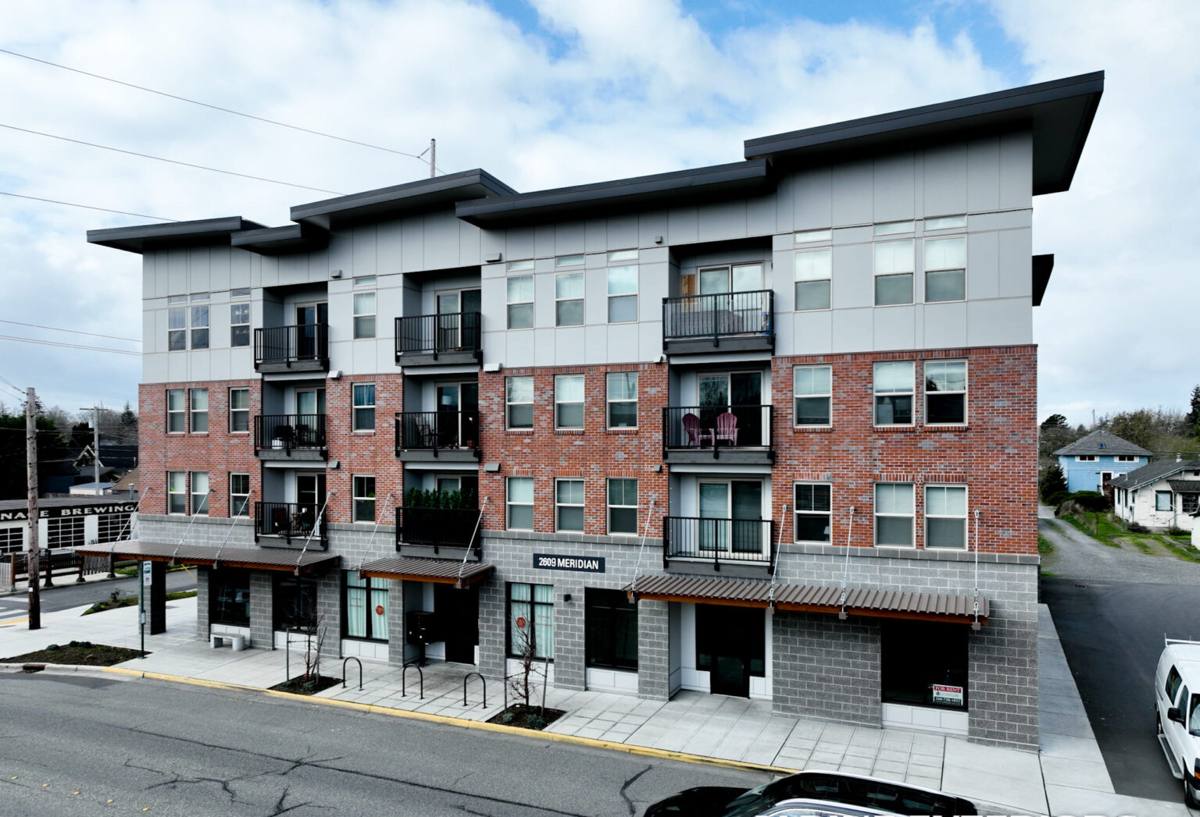
What Bellingham's Climate Does to Siding Over Time
Salt Air and Coastal Moisture
Homes closer to the bay deal with a steady, low-level dose of salt-laden moisture in the air. It's not dramatic like a storm, but it's constant. Over years, that moisture load accelerates corrosion on exposed fasteners and metal trim, and it keeps porous or poorly sealed siding materials damp longer than they'd stay in a drier inland climate. Siding that isn't engineered or finished for a marine-influenced climate tends to show its age faster here than the same product would somewhere drier.
Driving Rain
Whatcom County doesn't just get frequent rain — it gets wind-driven rain that hits siding at an angle instead of running straight down the wall. That matters because a lot of siding failure isn't about the face of the board getting wet; it's about water finding its way behind the siding at laps, seams, butt joints, and penetrations (hose bibs, light fixtures, vents) where flashing and sealant weren't done correctly the first time. Driving rain finds those gaps far more aggressively than a light, straight-down rain ever would.
The Long Moss Season
Shaded, north-facing, and tree-covered walls — common on hillside lots like South Hill's — hold moisture longer, and that's exactly the environment moss and algae need to take hold. Moss on siding isn't just an appearance issue. It holds water against the surface, keeps that section of wall damp far longer than the rest of the house, and on materials sensitive to sustained moisture, it can accelerate the underlying damage the moss is a symptom of.
Signs Your South Hill Home Needs a Siding Repair, Not Just a Repaint
Homeowners often reach for paint first because it's the visible fix. But paint over a moisture problem just hides it for a while. Here's what actually points to a repair need:
- Soft or spongy spots when you press on the siding, especially near the bottom courses or below windows
- Visible swelling, buckling, or separation at seams and butt joints
- Paint that's bubbling, peeling, or failing in the same spot repeatedly, even after repainting
- Persistent moss or dark staining that comes back within a season of cleaning
- Gaps or cracks around window and door trim, hose bibs, or vent penetrations
- Discoloration or streaking on interior walls that lines up with an exterior section
- Fastener heads that are rusting, popping, or backing out
If you're seeing more than one of these, it's worth having someone look at the wall assembly, not just the surface.
What a Correct Siding Repair Actually Involves
Diagnosing the Cause Before Touching the Wall
Damaged siding is usually a symptom. Before we replace a single board, we want to know why that section failed — bad flashing detail, a missing kick-out at a roof-wall intersection, caulk used where flashing should have been, or just age and prolonged moisture exposure. Replacing the visible board without fixing the underlying cause means the repair fails again, usually in the same spot.
Checking What's Behind the Siding
Once damaged siding is removed, we check the water-resistive barrier and sheathing underneath. If the barrier is torn, improperly lapped, or the sheathing has soaked through, that gets addressed as part of the repair — not left in place under new siding, which would just set up the next failure.
Matching Materials, Not Improvising
A repair should match the existing siding's profile, reveal, and thickness so it reads as original work, not a visible patch. This is one of the reasons material choice matters even at the repair stage — mixing incompatible products or reveals on the same wall creates a mismatched look and can create moisture traps at the transition.
Flashing and Water Management
Any repair touching a window, door, roofline, or penetration gets proper flashing detail — not just sealant. Caulk is a maintenance item, not a substitute for flashing; it degrades over time and everything sealed with it alone eventually needs the same repair again.
Refinishing to Blend
Once the repair is structurally sound, the finish work — caulking joints, priming or matching factory finish, and touch-up — is what makes it look like it was never damaged. This step gets rushed by low-bid crews; we don't treat it as optional.
Repair or Replace? How We Help You Decide
Not every damaged section needs a full re-side, and not every repair is worth doing instead of planning a replacement. We walk homeowners through the honest tradeoffs rather than defaulting to the bigger job:
| Factor | Leans Toward Repair | Leans Toward Replacement |
|---|---|---|
| Extent of damage | Isolated to one or two wall sections | Recurring failures across multiple elevations |
| Underlying cause | Identifiable, fixable issue (flashing, one bad seam) | Widespread moisture intrusion or aged-out material |
| Siding material | Compatible material still available to match | Discontinued product or material we won't warranty a patch on |
| Age of existing siding | Relatively young, otherwise sound | Near or past its practical service life |
| Sheathing/barrier condition | Sound once uncovered | Rot or barrier failure found during inspection |
We'll tell you straight if a repair is the right call — or if you'd be spending money patching a wall that's going to need full attention again soon.
Our Process for South Hill Siding Repairs
- On-site inspection. We look at the damaged area and the surrounding wall, roofline, and grading — not just the spot you called about.
- Diagnosis. We identify what caused the failure so the repair addresses the source, not just the symptom.
- Written scope and estimate. You know what's being repaired, why, and what it costs before work starts — no surprise change orders for things we could have caught up front.
- Removal and inspection of what's underneath. Any barrier or sheathing damage found gets flagged and addressed as part of the job.
- Repair and flashing work. Matched material, correct flashing details, proper fastening.
- Finish and blend. Caulking, priming, and finish work so the repair reads as original.
- Final walkthrough. We show you what was done and why, and flag anything else worth watching.
Why We Only Repair With James Hardie Fiber Cement
We install and repair exclusively with James Hardie fiber cement siding — we don't work in vinyl, LP SmartSide, Cemplank, Allura, or wood siding like primed spruce or cedar. That's a deliberate standard, not a limitation we apologize for. Fiber cement doesn't rot, and it's not a food source for the moss and algae that thrive in this climate the way it can be for wood-based products. It holds up to sustained coastal moisture and driving rain without the swelling or delamination that plagues some engineered wood products in wet climates. And because Hardie's ColorPlus factory finish is baked on rather than field-applied, repair sections can be matched more precisely and hold their color longer than a repaint job.
For repair work specifically, this matters even more than on new installs: we're not chasing down a discontinued vinyl profile or trying to make a wood-based patch blend with material that's already showing its age. Hardie is a known, consistent system, which means a repair we do today will still look and perform right years from now — not just at the walkthrough.
Why a Crew That Already Works South Hill Matters
Siding repair isn't one-size-fits-all across Bellingham. A wall in a low, sheltered spot ages differently than an exposed, elevated wall on a hillside lot, and a shaded north face fights moss in a way a sun-exposed south face never will. A crew that's worked hillside neighborhoods like South Hill knows to check the usual trouble spots first — roof-wall transitions, shaded north walls, penetrations near grade — instead of treating every house the same. That local pattern recognition is the difference between a repair that fixes the visible damage and one that fixes the reason it happened.
It also means straight answers. If a wall doesn't need full replacement, we'll say so. If the damage points to a bigger moisture problem, we'll show you what we found before recommending anything. Whatcom County's climate doesn't reward guesswork on siding repairs, and neither do we.
If you're seeing signs of siding damage on your South Hill home — soft spots, recurring paint failure, persistent moss, or gaps around trim — we're happy to take a look. Reach out for a free, no-pressure estimate using the form below, and we'll give you an honest read on what your siding actually needs.