 Bellingham Roofing
 Windows Built for Columbia's Coastal Conditions
The Columbia neighborhood sits close enough to Bellingham Bay that its homes feel the marine climate every day of the year. Salt-laden air works on metal hardware and finishes. Wind-driven rain off the water finds every gap in an old window's weatherstripping. And the long moss season that defines a Whatcom County winter doesn't stop at the roofline — it creeps into window tracks, sills, and any wood trim that stays damp too long. Windows here don't fail because they're old in the abstract sense; they fail because this specific combination of salt, moisture, and prolonged dampness accelerates wear that a drier inland climate wouldn't produce nearly as fast.
That's the lens we bring to every window replacement job in Columbia: not just swapping glass, but addressing how this neighborhood's exposure actually wears a window down over time.
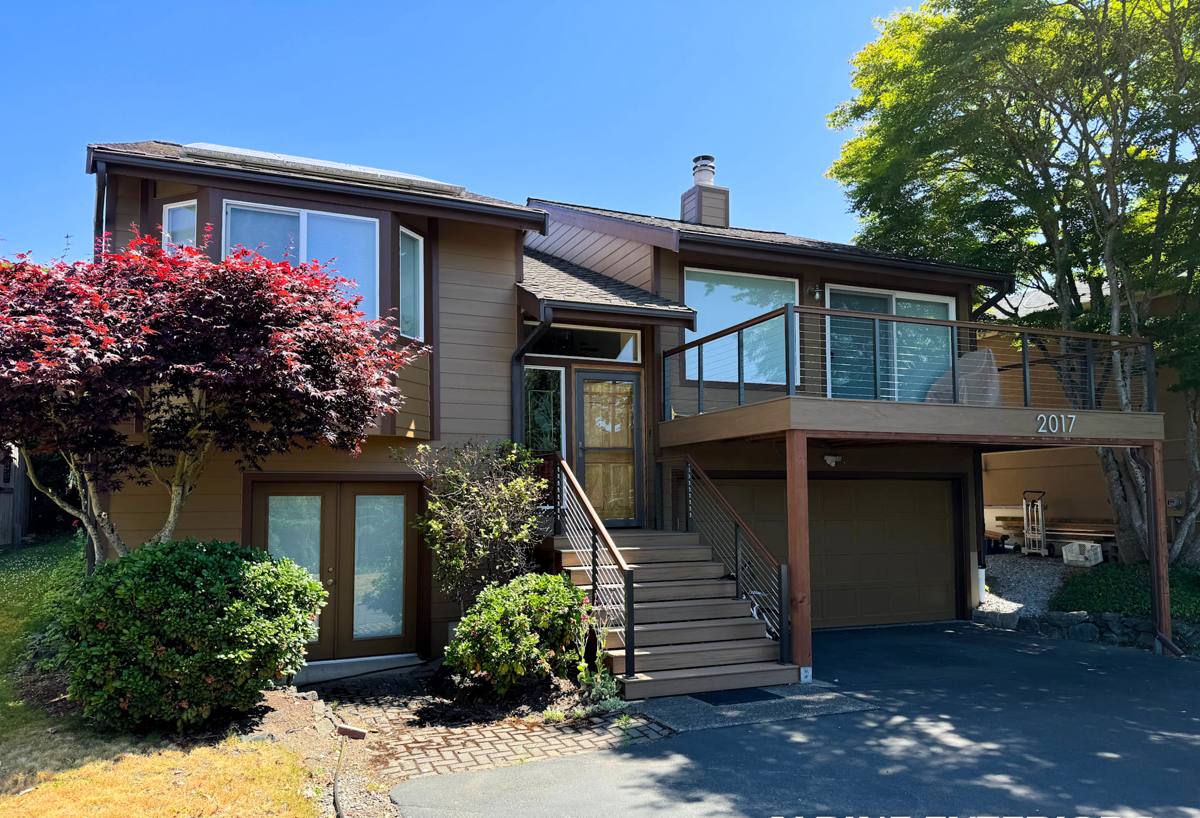
How Bellingham's Climate Wears Down a Window
A window is a system, not a pane of glass in a frame. When that system starts to fail in a coastal Whatcom County neighborhood, it usually shows up in a predictable order:
Seals and Weatherstripping Go First
Rubber and vinyl weatherstripping hardens and cracks faster when it's cycling between saturated and dry conditions all winter. Once the seal compresses unevenly, wind-driven rain starts finding its way past the sash, and you'll feel drafts on days when the wind is coming off the water.
Hardware Corrodes
Salt air is hard on unprotected or lower-grade metal locks, cranks, and balances. Once hardware starts sticking or a lock won't seat properly, that's often a sign the window's finish and fasteners have been absorbing salt exposure for years.
Wood and Trim Hold Moisture
Homes in Columbia span a wide range of ages, and older wood-framed windows are especially vulnerable during moss season, when shaded, north-facing walls can stay damp for weeks at a stretch. Moisture that gets behind a sill or into a frame joint without a way to dry out is what eventually leads to soft wood and rot, not the rain itself.
Glass Seals Fail
On insulated (double-pane) units, temperature swings combined with persistent moisture exposure are a common cause of seal failure — that's the fogging or cloudiness you see between the panes that no amount of cleaning will fix.
What a Correct Window Replacement Actually Involves
Ordering the right window is only part of the job. In a climate like this, installation quality is what determines whether a window performs for twenty-plus years or starts leaking within a few winters. A correct installation includes:
- Removing the old unit and inspecting the rough opening, sill, and surrounding framing for hidden moisture damage before anything new goes in
- Repairing or replacing any compromised wood found during removal, rather than covering it up
- Installing flashing that directs water out of the wall assembly, not just around the window opening
- Using a proper weather-resistant barrier and sealant compatible with both the siding type and the window material
- Shimming and leveling the unit so the sash operates smoothly and the seal compresses evenly on all sides
- Insulating the gap between the frame and rough opening without overpacking it, which can bow the frame
- Sealing and trimming the interior and exterior to a finish that sheds water rather than trapping it
Skipping or rushing any one of these steps is how a brand-new window ends up with the same moisture problems as the one it replaced — just a few years later instead of decades.
Signs a Columbia Home's Windows Need Attention
Most homeowners don't notice window failure until it's fairly advanced. Watch for:
- Visible fog or moisture trapped between panes of glass
- Drafts you can feel near the frame on windy, rainy days
- Windows that are difficult to open, close, or lock
- Soft, discolored, or spongy wood at the sill or frame
- Paint that's peeling or bubbling on interior trim near the window
- Visible moss, algae, or persistent green staining around the frame exterior
- A noticeable rise in heating costs with no other explanation
- Condensation forming on the interior glass regularly, especially in colder months
Any one of these on its own isn't necessarily an emergency, but two or three together usually mean the window's ability to manage moisture and air has broken down.
Choosing the Right Window Material for This Climate
Not every window product handles a wet, salt-air environment the same way. We install a range of options and will talk through honest trade-offs rather than push one product for every home.
| Material | How It Handles This Climate | Maintenance |
|---|---|---|
| Vinyl | Won't rot; performs well against moisture and salt air; good energy performance | Low — occasional cleaning |
| Fiberglass | Very stable in temperature and moisture swings; strong long-term durability | Low |
| Aluminum | Durable but a poor insulator and prone to condensation unless thermally broken | Moderate — watch for corrosion near the coast |
| Wood | Classic appearance, but exposed wood is the most vulnerable material in this climate without diligent upkeep | High — regular painting/sealing required |
| Wood-clad | Interior wood warmth with an exterior shell (vinyl, aluminum, or fiberglass) protecting against weather | Low to moderate |
For most homes in Columbia, we lean toward vinyl or fiberglass frames, or a clad option if you want a wood interior look without exposing bare wood to the weather outside. Where a home's character calls for painted wood windows, we'll still install them — we just make sure you understand the maintenance commitment going in, since neglected exterior wood is what causes problems here, not the material itself.
Our Window Replacement Process
- On-site assessment. We look at your current windows, note any moisture or rot around openings, and measure for accurate replacement sizing.
- Product and material discussion. We walk through frame material, glass package, and style options suited to your home and budget — no pressure toward the most expensive option.
- Written estimate. Clear scope and pricing before any work begins.
- Removal and inspection. Old windows come out, and we check the framing underneath before anything new is installed.
- Installation. Flashing, sealing, shimming, and insulating done to hold up against wind-driven rain and salt air, not just pass a quick visual check.
- Finish work. Interior and exterior trim completed to a clean, weather-tight finish.
- Walkthrough. We confirm every window opens, closes, and locks correctly before we consider the job done.
Cost Factors for Columbia Homeowners
Every home is different, but the biggest cost drivers we see on window replacement projects in this area are consistent. A rough, honest range for most single-window installed costs in Whatcom County runs from a few hundred dollars for a smaller, standard vinyl unit up to well over a thousand for larger, higher-performance, or custom-shaped windows — we'll give you an exact number for your home after a walkthrough, not a guess over the phone.
| Factor | Why It Matters |
|---|---|
| Window size and quantity | Larger openings and whole-house projects change material and labor totals significantly |
| Frame material | Vinyl is typically the most budget-friendly; fiberglass and clad options cost more upfront but often last longer |
| Glass package | Double-pane vs. upgraded low-E or gas-filled glass affects both price and long-term energy performance |
| Condition of existing framing | Rot or moisture damage found during removal adds repair work before the new window can go in |
| Access and home age | Older homes and hard-to-reach openings can add labor time |
Energy Performance and Long-Term Value
Bellingham's climate means most homes rely on heating far more than cooling. Old, leaky windows are one of the more noticeable places heat escapes in winter, especially on the sides of a house that take the brunt of the weather off the bay. A properly sealed, insulated window unit reduces drafts and can meaningfully ease the load on your heating system, though exact savings depend on your home's overall insulation, orientation, and existing window condition — we won't quote you a specific percentage we can't back up. What we can say plainly is that a window installed correctly, with proper flashing and sealing, is the single biggest factor in whether you get that performance at all.
Why Hire a Crew That Already Works in Columbia
Windows in this part of Bellingham aren't dealing with a generic Pacific Northwest climate — they're dealing with the specific combination of proximity to the bay, prevailing wind-driven rain, and the shaded, damp conditions that stretch out moss season on north- and west-facing walls. A crew that regularly works in this neighborhood already knows which failure patterns show up on which type of home, what the local weather actually does to a fresh installation in its first winter, and how to detail flashing and sealing so the job holds up rather than just looking finished on day one. That local familiarity matters more with windows than almost any other exterior project, because a flaw in the installation often doesn't show itself until the first serious storm season.
If your windows in Columbia are drafty, fogged, hard to operate, or just past their reasonable lifespan, we're happy to take a look and walk you through honest options. Reach out for a free, no-pressure estimate using the form below.