 Bellingham Roofing
 Board & Batten Siding in Barkley: A Style That Rewards Correct Installation
Board and batten has become one of the most requested looks for homes in and around Barkley — the clean vertical lines read as modern farmhouse, craftsman, or contemporary depending on the trim and color choices around it. It's a distinctive style, and homeowners in this part of Bellingham gravitate toward it for exactly that reason. But board and batten is also one of the least forgiving siding profiles when it's installed poorly. The wide flat panels and narrow battens create more seams, more fastener penetrations, and more opportunities for water to find a way behind the cladding than a standard horizontal lap job. In a climate like Whatcom County's, that margin for error matters. This page is about what board and batten siding needs to hold up on a Barkley home specifically, and why we install it only in James Hardie fiber cement.
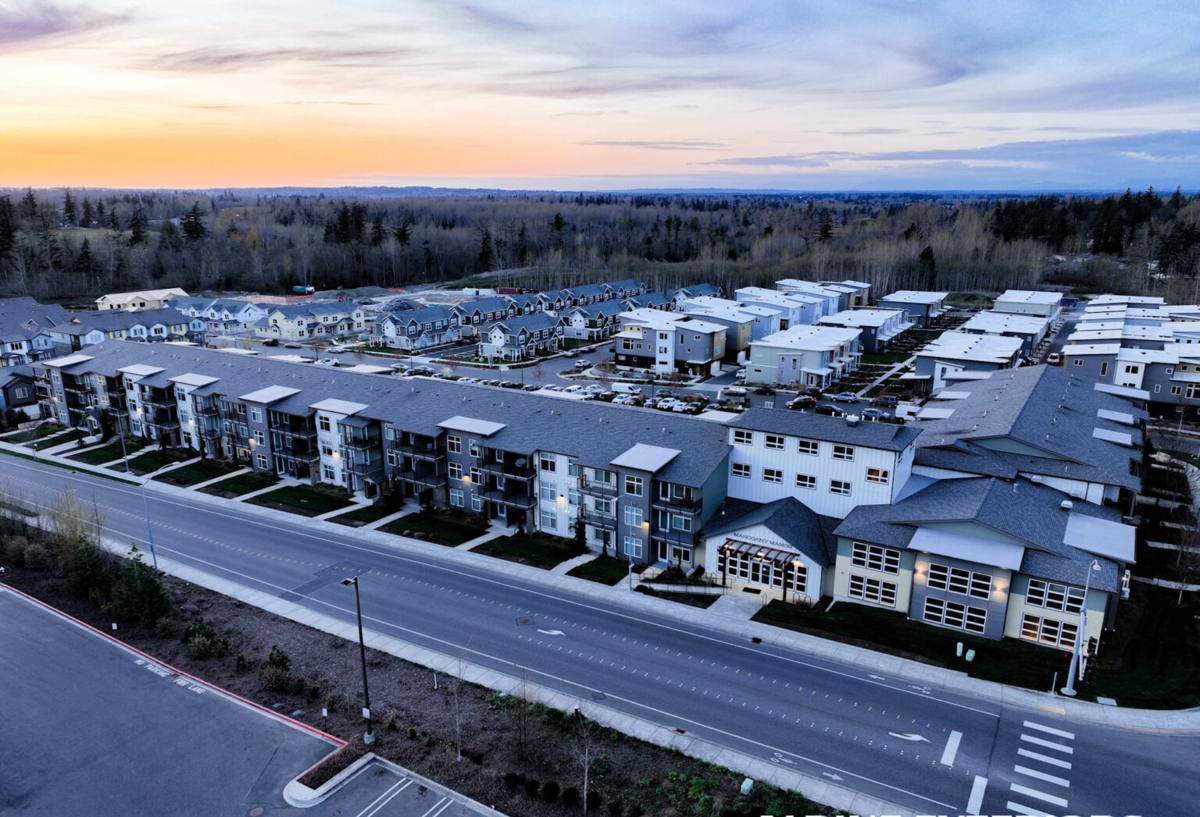
What Bellingham's Climate Actually Does to Vertical Siding
Barkley sits close enough to Bellingham Bay and the greater Puget Sound airshed that salt-laden moisture is part of the everyday environment, even for homes that aren't waterfront. Combine that with the region's pattern of driving, wind-pushed rain and a moss season that can run most of the year in shaded or north-facing exposures, and you have three separate stressors working on a home's exterior at once:
- Salt air accelerates corrosion on fasteners, flashing, and any metal trim components — a slow, cumulative problem that shows up years later as staining or failed hardware.
- Driving rain doesn't just fall on siding, it gets pushed sideways into laps, seams, and butt joints under wind pressure, which is exactly where board and batten has the most vertical seam length per square foot of any common siding style.
- Moss and algae growth thrives in the damp, moderate-temperature conditions that define a Bellingham winter and spring, especially on siding that stays shaded by trees or northern exposures for long stretches of the year. Moss holds moisture against the surface far longer than open air would.
None of this is unique to Barkley — it's true across Whatcom County — but Barkley's mix of mature landscaping and closely built lots means many homes here get real shade for a good part of the day, which extends how long siding stays damp after a storm. That's the detail that should drive material and installation choices, not just the general climate.
Why the Siding Material Matters More on This Profile
Vertical board and batten concentrates seams and joints in a way lap siding doesn't. Every batten strip covers a joint between two panels, and every one of those covered joints needs to stay dry and dimensionally stable for decades. This is where the material underneath the paint becomes the whole story.
We install James Hardie fiber cement exclusively, and board and batten is one of the clearest cases for why. Fiber cement doesn't swell, cup, or rot when it takes on moisture the way wood-based or wood-adjacent products can, and it doesn't expand and contract with humidity the way vinyl does — which matters on a profile with narrow battens that need to stay tight and straight for the look to hold up. James Hardie's ColorPlus factory finish is baked on and backed by its own finish warranty, so the battens and panels aren't relying on a field-applied paint job to survive a Whatcom County winter. We don't install vinyl, LP SmartSide, primed spruce, cedar, or other fiber cement brands, and on a vertical profile with this much seam exposure, the reasons are even more concrete than they are on a standard lap job.
Board & Batten Style Comparison
| Siding Style | Seam Exposure | Typical Failure Point in This Climate |
|---|---|---|
| Board & Batten (vertical) | High — every batten covers a joint | Water intrusion at panel joints and butt seams if not flashed and gapped correctly |
| Horizontal Lap | Moderate — overlapping courses shed water by design | Caulk failure at corners and penetrations |
| Shingle/Shake Pattern | Low individually, high in aggregate | Moss and algae buildup in the layered texture |
What a Correct Board & Batten Job Involves
The visual result of board and batten is simple: flat panels, narrow vertical strips over the joints, clean lines. What's happening behind that surface is where the job is won or lost. A correct installation on a Barkley home includes:
- A drainage plane and rainscreen gap behind the panels, so any moisture that does get past the cladding has somewhere to go instead of sitting against the wall sheathing.
- Proper flashing at every horizontal transition — window and door heads, roof-to-wall intersections, deck ledgers — since these are the points where driving rain finds its way in fastest.
- Correct fastener spacing and type, matched to Hardie's published installation instructions, so panels stay secured without over-driving or under-driving fasteners that create their own leak points.
- Battens installed with the panel manufacturer's specified gap and fastening pattern, not just nailed flush, so the assembly can handle normal seasonal movement without cracking caulk lines.
- Sealed and primed cut edges on every field cut, since a factory finish only protects the material where the factory finish actually is.
Skip any one of these steps and the siding can still look right for a season or two. The problems that show up from a rushed board and batten install in this climate — staining below joints, soft spots at the base, moss taking hold along shaded battens — tend to surface years down the line, after the crew that installed it is long gone.
Our Process for a Barkley Board & Batten Project
1. On-Site Assessment
We walk the home and look specifically at exposure — which elevations get the most driving rain, which stay shaded and are more moss-prone, and where the existing wall assembly needs attention before new siding goes on.
2. Removal and Wall Prep
Old siding comes off and we inspect the sheathing and any water-resistive barrier underneath. This is the point where hidden moisture damage from a prior installation, if any exists, gets found and addressed rather than covered over.
3. Drainage Plane and Flashing
We install or verify the weather-resistive barrier and rainscreen gap, then detail flashing at every window, door, and horizontal transition before a single panel goes up.
4. Panel and Batten Installation
Hardie panels go up to spec, followed by battens at the manufacturer-specified spacing and fastening pattern. We check plumb and reveal consistency continuously, not just at the end.
5. Sealing, Caulking, and Final Detail
All penetrations, cut edges, and transitions get sealed with products compatible with the ColorPlus finish, and we do a final walk of every joint before calling the job done.
Why a Crew That Already Works Barkley Matters
Board and batten installation quality is largely invisible once the job is finished — you can't see the rainscreen gap or the flashing detail behind a finished wall. That means the contractor's habits and standards are doing the work whether or not anyone is watching. A crew that regularly works Barkley and the surrounding Bellingham neighborhoods has already seen how the local mix of tree cover, lot spacing, and prevailing storm direction affects a given elevation, and builds those lessons into every install rather than treating each home as a first attempt. That local pattern recognition — knowing which walls in this kind of setting need extra flashing attention, which sides collect moss first — is the difference between a board and batten job that looks good on install day and one that still looks good after five Whatcom County winters.
Cost Factors on a Board & Batten Project
Every home is different, and we don't quote sight unseen, but the factors that most often move a board and batten project's scope and price are consistent:
| Factor | Why It Matters |
|---|---|
| Existing wall condition | Hidden moisture or sheathing damage found during tear-off adds repair scope before new siding can go on |
| Wall height and complexity | Multi-story walls, dormers, and cut-in features increase both material waste and labor time |
| Trim and batten detail level | Wider trim boards, corner details, and accent bands add material and installation time |
| Access and site conditions | Tight lots, landscaping, and staging space affect how efficiently a crew can work |
| Color and finish selection | Standard ColorPlus colors versus custom finish options can shift material cost |
Maintaining Board & Batten Siding in a Whatcom County Climate
Fiber cement is genuinely low-maintenance compared to wood alternatives, but "low-maintenance" isn't "no-maintenance," especially with the moss and moisture pressure this region puts on an exterior. A simple seasonal routine goes a long way:
- Rinse siding annually, focusing on shaded and north-facing walls where moss and algae take hold first.
- Trim back landscaping and tree limbs that keep any wall section damp and shaded longer than the rest of the house.
- Inspect caulk lines at trim, windows, and penetrations each year and have any cracked or failing sealant addressed before the wet season sets in.
- Check gutters and downspouts before fall storms — overflow at the roofline is one of the most common sources of concentrated water damage on any siding style.
- Watch for staining at the base of battens or panel bottoms, which is often the earliest visible sign of a drainage or flashing issue behind the wall.
If you're weighing board and batten for a home in Barkley or elsewhere in Bellingham, we're happy to walk the property, look at your specific exposure, and put together a straightforward, no-pressure estimate — use the form below to get started.