 Bellingham Roofing
 Why Metal Roofing Fits Barkley's Climate
Barkley sits close enough to Bellingham Bay and the surrounding waterways that homes here deal with a specific combination of weather stress: salt-tinged air, long stretches of driving rain off the Sound, and a moss season that can run most of the year under the neighborhood's tree canopy. Any roofing material has to hold up to all three at once, not just one. Metal roofing, installed correctly with the right material and coating for a coastal-influenced climate, is one of the few systems that genuinely holds up to that combination over the long haul rather than just surviving it for a few seasons.
This page is specifically about metal roofing for Barkley homes — what the local conditions actually do to a roof, what a correct metal roof installation looks like here, and what to expect from a crew that already understands the neighborhood.
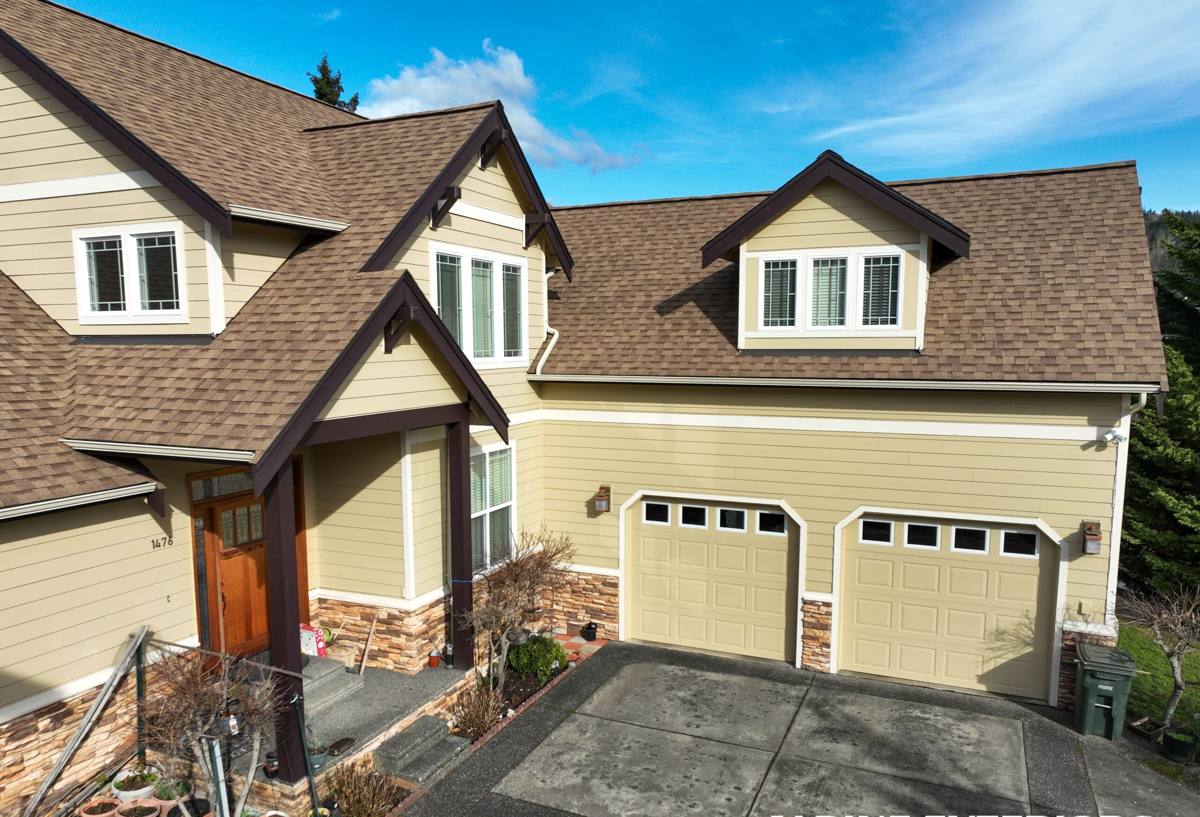
What Barkley's Weather Actually Does to a Roof
Salt Air and Coastal Exposure
Proximity to Bellingham Bay means airborne salt is part of daily life for exterior materials, even a few miles inland. Salt exposure accelerates corrosion on unprotected or poorly coated metal, attacks exposed fasteners, and breaks down cheap paint finishes faster than manufacturers' glossy brochures suggest. It doesn't ruin metal roofing — it just means the material and coating choice can't be an afterthought.
Driving Rain and Wind-Driven Moisture
Whatcom County gets a lot of rain, and a meaningful share of it in Bellingham arrives sideways during fall and winter storms. Wind-driven rain finds every weak seam, every under-flashed penetration, and every place where a fastener wasn't seated correctly. A roof here doesn't just need to shed water that falls straight down — it needs to resist water being pushed sideways and upward at flashings, valleys, and wall transitions.
Moss Season
Between the shade from mature trees common in and around Barkley and the near-constant moisture, moss has almost ideal growing conditions for much of the year. On roofing materials that offer moss any texture or organic surface to grip, growth can start within a couple of seasons and, left unchecked, works into seams and fastener points and holds water against the roof surface long after a storm has passed.
Why Metal Roofing Performs Well Here — With the Right Details
Metal's advantage in this climate comes down to three things: a hard, non-porous surface that gives moss little to grab onto, steep water-shedding performance even on moderate pitches, and — when the panel and coating are matched to the exposure — genuine resistance to the salt-air corrosion that shortens the life of lesser materials. None of that is automatic. A metal roof installed with the wrong fastener metal, a mismatched coating, or sloppy flashing work will still fail early, salt air or not. The material buys you durability; the installation is what actually delivers it.
Metal Roofing Materials and Systems
Not every metal roofing system is the same investment or the same long-term commitment. Here's how the common options compare for a coastal-influenced climate like Barkley's:
| System | Typical Lifespan | Best Suited For | Maintenance Notes |
|---|---|---|---|
| Standing seam steel (concealed fasteners) | 40–60+ years | Homes prioritizing longevity and clean lines with minimal seam exposure | Lowest maintenance; fasteners are hidden and protected from weather and salt air |
| Exposed-fastener steel (screw-down panels) | 25–40 years | Budget-conscious projects, outbuildings, some roof pitches | Fastener washers age faster in coastal air and need periodic checking |
| Aluminum panels | 40–50+ years | Homes very close to salt water or with heavier salt exposure | Naturally corrosion-resistant; a common upgrade over steel near the bay |
| Stone-coated steel (shake or tile profile) | 30–50 years | Homeowners wanting a traditional roofline look with metal's durability | Textured surface needs more attention to moss and debris than smooth panels |
Cost follows the same order: exposed-fastener steel is the entry point, standing seam and stone-coated systems sit in the mid-to-upper range, and aluminum typically carries a premium tied to its corrosion resistance. The right call depends on how close to the water your specific property sits, how much tree cover shades the roof, and how long you plan to own the home.
What a Correct Metal Roof Installation Involves
Deck and Underlayment
Before any panel goes down, the roof deck gets inspected for soft spots, rot, or prior water damage — common on older Bellingham-area homes where a previous roof let moisture sit too long. A high-temperature synthetic or self-adhering underlayment goes over the deck as the actual waterproofing layer; the metal panels above it are the weather shield, but the underlayment is what protects the structure if wind-driven rain ever gets past a seam.
Fastening and Panel Layout
Panel layout accounts for prevailing wind and water flow across the roof, not just a straight run from ridge to eave. Fasteners — whether concealed clips on a standing seam system or exposed screws on a panel system — need to be the correct metal to avoid galvanic corrosion against the panel material, and torqued correctly so washers seal without splitting.
Flashing and Penetrations
Valleys, chimneys, skylights, and wall transitions are where most metal roof leaks actually originate, not the open field of the roof. Proper step flashing, counter-flashing, and sealed penetration boots matter more in a driving-rain climate than almost anywhere else in the country, because wind pushes water into gaps that would stay dry in a calmer climate.
Ventilation
A well-ventilated attic keeps moisture from condensing under the deck, which matters in a humid coastal climate where trapped moisture contributes to rot and, indirectly, to the same conditions that encourage moss and mildew.
Our Process for a Barkley Metal Roof
- On-site inspection of the existing roof, deck condition, flashing points, and any moss or moisture damage already present.
- A straightforward, written estimate that lays out material options, expected lifespan, and honest cost trade-offs — no pressure, no inflated urgency.
- Deck repair or replacement where needed, before any new roofing goes down.
- Installation of underlayment, panels, and flashing to the standard the material and climate call for.
- Site cleanup, including magnetic sweep for stray fasteners, and a final walkthrough so you know what was done and why.
Keeping a Metal Roof Performing Through Moss Season
Metal roofing resists moss far better than shingles or wood, but "resists" isn't "immune." Debris that collects in valleys or against a chimney can hold moisture and give moss a foothold even on a smooth metal surface. A short annual check — clearing debris, confirming gutters are flowing, and looking at flashing points — does most of the work of keeping a metal roof performing the way it's supposed to for decades rather than years.
A quick homeowner checklist for staying ahead of moss season and coastal wear:
- Clear needles, leaves, and branch debris from valleys and around penetrations at least once a year, ideally after fall leaf-drop.
- Keep gutters and downspouts flowing so water isn't backing up against the roof edge.
- Trim back overhanging branches where practical to reduce shade and debris load on the roof surface.
- Watch for streaking or discoloration at fastener heads on exposed-fastener systems, a sign a washer may need attention.
- Have flashing points checked periodically, since that's where wind-driven rain does the most damage over time.
Why a Crew That Already Works in Barkley Matters
Barkley is a planned community with its own look and its own expectations for how homes present, and a contractor who's already worked in the neighborhood knows what panel profiles and colors fit that character without a homeowner having to spell it out. Beyond aesthetics, a crew with Bellingham and Whatcom County experience already knows how local wind exposure and rainfall patterns should shape flashing details and fastener choices — details that get skipped by out-of-area crews who treat every roof the same regardless of climate. That local familiarity, combined with straightforward permitting knowledge for the City of Bellingham, generally means fewer surprises and a roof that's actually built for where it sits, not for a generic spec sheet.
Questions to Ask Before You Sign a Metal Roofing Contract
- What panel material and coating do you recommend for a property this close to Bellingham Bay, and why?
- Will fasteners be a metal that's compatible with the panel to avoid corrosion?
- How will valleys, chimneys, and skylights be flashed, specifically?
- What underlayment goes down before the panels, and is it rated for the climate?
- What does the manufacturer's coating warranty actually cover, and what does your installation warranty cover separately?
If a metal roof for your Barkley home is something you're weighing — whether it's a full replacement or you're comparing it against another material — we're glad to take a look and give you a straightforward, no-pressure estimate. Use the form below to get started.