 Bellingham Roofing
 Window Replacement Built for Birchwood's Marine Climate
Birchwood sits close enough to the water and the weather patterns that roll in off Bellingham Bay that its windows take a different kind of beating than homes further inland. Salt-laden air corrodes hardware and finishes faster, driving rain finds every gap in old flashing and glazing, and Whatcom County's long, damp moss season keeps humidity pressed up against siding and window frames for months at a time. Windows that were installed decades ago, or replacement windows that were installed poorly the first time, tend to show their age here sooner than the manufacturer's brochure would suggest.
A window replacement job in Birchwood isn't just about swapping old glass for new. It's about choosing materials and installation details that actually hold up against this specific combination of salt exposure, wind-driven rain, and sustained moisture — and doing the flashing and sealing work correctly the first time so water never gets a path into the wall.
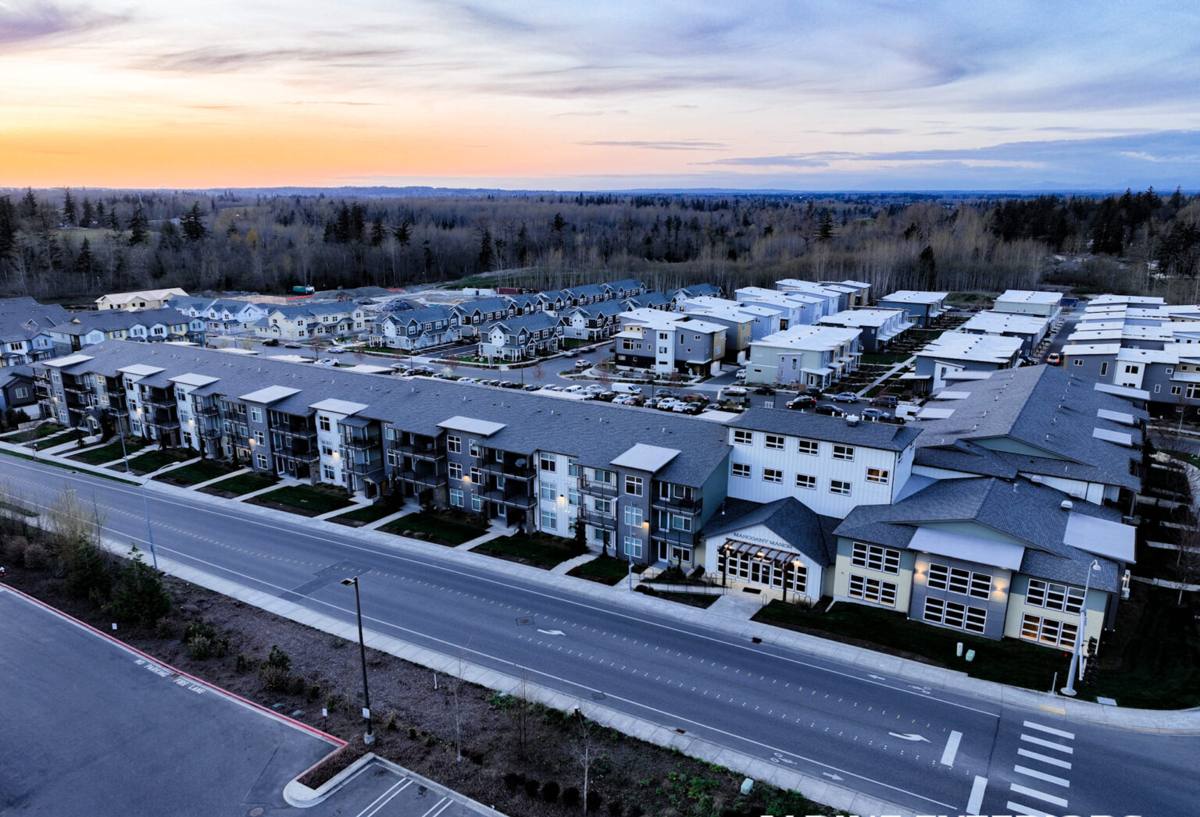
Signs Your Birchwood Home Is Ready for New Windows
Homeowners usually call us after noticing one or two symptoms, not because they've decided in the abstract that it's "time" for new windows. In this climate, the most common warning signs are:
- Fogging or a permanent haze between panes, which means the seal has failed and the insulating gas has escaped
- Visible moss, algae, or dark staining building up on the sill or the siding just below the window
- Drafts you can feel on a windy, rainy day even when the window is fully latched
- Wood trim or sill that feels soft, spongy, or is starting to show rot
- Hardware — cranks, locks, hinges — that has corroded, seized, or become difficult to operate
- Condensation forming on the inside of the glass regularly, even in a well-ventilated room
- Visible daylight or gaps around the frame from outside
Any one of these on its own might be a minor repair. Several at once, especially combined with soft trim, usually points to water that has already gotten past the frame and into the wall assembly — which is a bigger conversation than just the glass.
What a Correct Window Replacement Actually Involves
The window itself is only part of the job. Most of what determines whether a replacement window lasts happens in the details around it — details that matter more in a wet, salt-exposed climate than they would somewhere drier.
Full-Frame vs. Insert Replacement
An insert (or "pocket") replacement fits a new window into the existing frame, leaving the old frame, sill, and exterior trim in place. It's faster and less disruptive, and it's a reasonable option when the existing frame is still sound and dry. A full-frame replacement removes the window down to the rough opening, which lets us inspect and repair the sill, framing, and flashing underneath — something we recommend whenever there's any sign of past water intrusion, soft wood, or an opening that was never flashed correctly to begin with. In a neighborhood like Birchwood, where older housing stock is mixed in with newer construction, we don't assume either approach is right until we've actually opened up or inspected the opening.
Flashing and Moisture Management
This is the part of the job that never shows up in a photo but matters more than the window brand. Correct flashing means water that gets behind the siding — and in driving rain, some always will — is directed back out over the top of the window, not down into the wall cavity. That means proper head flashing, correctly lapped weather-resistive barrier, sill pan flashing that slopes outward, and sealant used only where it belongs, not as a substitute for proper shingling of the water barrier. Skipping or rushing this step is the single most common reason a "new" window still leaks two winters later.
Choosing Materials and Glass for Salt Air and Driving Rain
Every window material handles a marine, high-moisture climate a little differently. We size up the specific exposure of each window — how much direct wind-driven rain it takes, how much sun, how close it is to salt air — before recommending a frame material and glass package.
Frame Materials
| Frame Material | Salt Air / Moisture Behavior | Maintenance | Where It Fits Best in Birchwood |
|---|---|---|---|
| Vinyl | Won't rust or corrode; performs consistently in salt air | Low — occasional cleaning | Most standard replacements; strong value for the climate |
| Fiberglass | Excellent moisture and temperature stability; very low expansion/contraction | Low | Higher-exposure walls, larger openings, or homes wanting a longer-term investment |
| Aluminum-Clad Wood | Good exterior protection, but wood core is vulnerable if any seal fails | Moderate to high — depends on upkeep | Homes prioritizing interior wood appearance, away from direct spray |
| Bare Aluminum | Conducts cold, prone to condensation; corrosion resistance varies by finish | Moderate | Rarely our first recommendation in this climate |
Glass Packages
Dual-pane windows with a low-E coating and argon gas fill are the baseline we recommend for this region — they cut down on condensation and hold heat far better than older single-pane or basic dual-pane units. Triple-pane glass adds another layer of insulation and sound dampening, which is worth discussing for street-facing rooms or homes where energy bills are a priority, but it comes at a higher cost and added weight that not every frame or opening needs. We'll walk through whether the upgrade makes sense for your specific windows rather than defaulting to it across the board.
Our Window Replacement Process
- On-site assessment — We look at every window being considered, check for existing water damage, soft wood, and how each opening is actually oriented to wind and rain.
- Honest recommendation — We tell you which windows genuinely need full replacement, which could be repaired instead, and which material and glass package fits your budget and exposure.
- Written estimate — Clear pricing per window, with the reasoning behind full-frame vs. insert replacement spelled out, not buried in a lump sum.
- Careful removal — Old windows come out without tearing up more siding or trim than necessary, and we inspect the opening as soon as it's exposed.
- Correct flashing and installation — Sill pan, weather barrier lapping, and head flashing are done to hold up against driving rain, not just to pass a quick visual check.
- Sealing and finish work — Interior and exterior trim, caulking, and touch-up so the finished opening looks right and is fully weathertight.
- Final walkthrough — We open, close, and lock every window with you before we consider the job done.
What Affects the Cost of Window Replacement in Birchwood
Every home is different, so we won't quote a price without seeing the windows, but these are the factors that move the number most:
| Cost Factor | Why It Matters |
|---|---|
| Number and size of windows | Larger openings and whole-house jobs change both material and labor cost per window |
| Full-frame vs. insert replacement | Full-frame involves more labor and often trim or siding repair, but is sometimes the only correct fix |
| Frame material and glass package | Vinyl, fiberglass, and clad-wood carry different material costs; triple-pane adds to both |
| Condition of the existing opening | Rot or past water damage found once the old window is out adds repair work before the new one goes in |
| Access and building height | Second-story or hard-to-access windows take more time and equipment |
| Trim, siding, or interior finish repair | Matching existing trim or siding profiles can add cost depending on age and material |
Broadly, homeowners in this area should expect a wide range depending on the combination above — a single standard vinyl window replacement costs considerably less than a whole-house upgrade to fiberglass with full-frame repair. A site visit lets us give you real numbers instead of a guess.
Why Hiring a Crew That Already Works in Birchwood Matters
Window replacement done wrong doesn't usually fail on day one — it fails two or three winters later, when a flashing detail that was skipped finally lets water behind the siding during a stretch of driving rain. A crew that regularly works Whatcom County neighborhoods like Birchwood has already seen how the housing stock here was built, what a typical rough opening looks like, and where builders decades ago tended to under-flash or skip a weather barrier lap. That familiarity shows up in fewer surprises once a window comes out of the wall, and in installation choices that account for how much wind-driven rain and moss-season humidity this specific area actually sees, rather than applying a generic approach that might be fine somewhere drier.
It also means a contractor who isn't guessing about permitting or typical construction in Bellingham and greater Whatcom County, and who can speak plainly about trade-offs instead of upselling a package that isn't needed.
Caring for New Windows Through Whatcom County Winters
New windows installed correctly need very little upkeep, but a few habits go a long way in this climate:
- Rinse salt residue and grime off exterior glass and frames a few times a year, especially after storms
- Keep gutters and downspouts clear so overflow doesn't run down across window heads
- Check exterior caulking annually for cracking or separation and have it touched up before wet season
- Wipe down interior sills periodically to prevent moisture and mildew buildup during the long damp months
- Operate locks and cranks a few times through the year so hardware doesn't seize from disuse
- Trim back vegetation or moss growth that holds moisture against the exterior trim
If you're seeing fogged glass, soft trim, drafts, or corroded hardware on windows in your Birchwood home, we're happy to take a look and give you a straight answer about what actually needs replacing. Reach out for a free, no-pressure estimate — use the form below to get started.