 Bellingham Roofing
 Board & Batten Siding Built for Columbia's Weather, Not Against It
Columbia is one of Bellingham's older, established neighborhoods, and it shows in the housing stock: a mix of early-1900s homes, mid-century additions, and newer infill, many of them within a few blocks of Bellingham Bay. That proximity to the water is exactly why board and batten siding is such a popular request here — the vertical lines and deep shadow reveal give these homes real architectural character — and exactly why it has to be installed correctly. Whatcom County's marine climate does not forgive shortcuts, and board and batten has more seams, more fastener penetrations, and more places for water to find a way in than a standard lap profile.
This page is about one job in one place: board and batten siding on Columbia homes. Not a general siding overview, not a citywide pitch — what this specific profile needs to hold up under Bellingham's salt air, driving rain, and long moss season, and what a correctly built system looks like when it's done right.
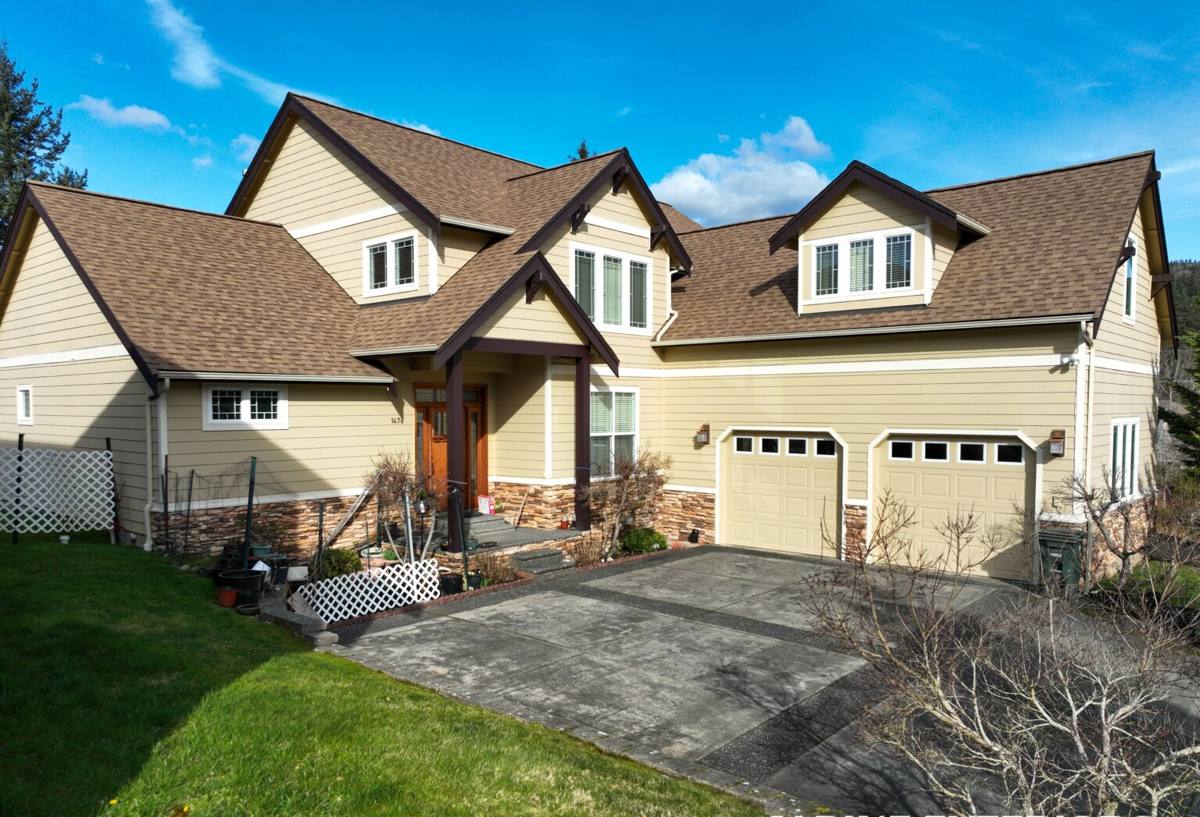
What Bellingham's Climate Actually Does to Vertical Siding
Every siding material and profile reacts to weather a little differently, and board and batten has its own failure points if it's not detailed correctly. Three conditions matter most for Columbia homes:
Salt Air
Homes closer to Bellingham Bay deal with airborne salt that accelerates corrosion on fasteners, flashing, and any exposed metal trim. Over years, that corrosion can work its way into fastener holes and create small paths for moisture behind the siding — long before the siding itself shows any visible damage.
Driving Rain
Whatcom County doesn't just get a lot of rain, it gets wind-driven rain off the Sound and the Strait, which pushes water sideways into vertical seams and batten joints rather than letting it simply run down and off. A board and batten wall depends on correct lap, gap, and flashing details to shed that water instead of trapping it.
Moss and Sustained Moisture
Bellingham's long wet season means surfaces stay damp for extended stretches, which is ideal growing conditions for moss and algae. On siding materials that absorb moisture, that sustained dampness also feeds rot at seams, board bottoms, and anywhere caulk has failed. The material and the finish both matter here, not just the color.
How Correct Board and Batten Construction Actually Works
Board and batten is a two-layer system, not a single panel product, and every layer has a job:
- Weather-resistive barrier and drainage plane — installed correctly behind everything else, this is the actual waterproofing layer of the wall.
- Vertical furring strips or a drainable house wrap — create a gap that lets any water that does get behind the siding drain out and lets the wall assembly dry, instead of holding moisture against the sheathing.
- Base boards or panels — the wide vertical pieces that form the field of the wall.
- Battens — the narrower strips that cover the seams between boards, which is where board and batten gets both its name and its distinctive shadow-line look.
- Flashing at every horizontal transition — window and door heads, trim boards, and the base of the wall — directing water out and away rather than into the seams below.
Every one of those layers has to be done in the right order and with the right materials for the finished wall to actually perform in Bellingham weather. Skip the drainage gap, use the wrong fastener, or caulk a seam that should have been flashed, and the wall will look right for a few years before problems show up.
Why We Install Board and Batten in James Hardie Fiber Cement Only
We don't offer board and batten in vinyl, LP SmartSide, primed spruce, or cedar. That's a deliberate standard, not a limitation of what we know how to install — we've simply concluded that in this climate, those materials come with trade-offs that don't hold up as well over time in a vertical, seam-heavy profile like board and batten specifically.
Wood board and batten can look excellent when new, but it's an organic material in a wet climate: it absorbs moisture at end grain and seams, and it needs an ongoing paint and caulk maintenance schedule to stay ahead of rot. Engineered wood products carry similar moisture sensitivity at cut edges and fastener points. Vinyl board and batten sheds water reasonably well but is a thin, flexible material that can warp, fade, or crack under UV and temperature swings, and it doesn't hold paint if a homeowner ever wants to change the look.
James Hardie fiber cement is non-combustible, dimensionally stable, and engineered specifically for Pacific Northwest conditions in its HZ5 product line. It doesn't rot, it resists moisture absorption far better than wood-based products, and the factory-applied ColorPlus finish is baked on under controlled conditions rather than field-applied, which means better adhesion and color retention through years of Bellingham rain and UV exposure. That's the whole reason we standardized on it: it's the material that actually matches what this climate demands from a vertical siding profile.
Board and Batten Material Comparison
| Factor | James Hardie Fiber Cement | Wood (Cedar/Spruce) | Vinyl / LP SmartSide |
|---|---|---|---|
| Moisture behavior | Engineered for wet climates, minimal absorption | Absorbs moisture at seams and end grain | Sheds water but can trap it if warped or cracked |
| Finish durability | Factory-baked ColorPlus finish | Field-applied paint, needs recoating | Molded-in or field color, fades over time |
| Combustibility | Non-combustible | Combustible | Combustible (vinyl) / combustible (LP) |
| Maintenance | Periodic wash and caulk check | Regular repainting and caulking | Low, but limited repair options |
| Typical warranty | Long-term transferable manufacturer warranty | Varies, often limited | Varies by product line |
Our Board and Batten Process for Columbia Homes
The process doesn't change dramatically house to house, but the details do, especially on older Columbia homes where the original sheathing and framing need to be evaluated before anything new goes on.
- Walkthrough and assessment — we look at the existing wall assembly, note any soft sheathing, prior water damage, or trim conditions that need addressing before new siding goes up.
- Tear-off and sheathing check — removing old siding gives us a direct look at the wall behind it, which is often the only real way to catch hidden rot or moisture damage.
- Weather-resistive barrier installation — a continuous, properly lapped barrier installed shingle-style so water always drains outward and down.
- Drainage gap and furring — creating the airspace behind the boards that lets the wall breathe and drain, which matters more in a sustained-moisture climate like Bellingham's than in drier regions.
- Flashing at every penetration — windows, doors, hose bibs, light fixtures, and the base of the wall all get proper flashing, not just caulk.
- Board and batten installation — Hardie boards installed to manufacturer fastening and gap specifications, with battens set to cover seams and hit the reveal spacing that gives the profile its clean look.
- Caulking and final finish — sealing only where sealant is the correct detail, not as a substitute for flashing.
- Final walkthrough — reviewing the finished work with the homeowner before we consider the job done.
What Correct Installation Involves — A Homeowner's Checklist
If you're evaluating a board and batten quote, whether from us or anyone else, these are the details that separate a wall that lasts from one that fails early:
- Is there an actual drainage gap behind the boards, or are they fastened flat against the house wrap?
- Are horizontal transitions (window heads, trim, wall base) flashed, or just caulked?
- Are fasteners corrosion-resistant and rated for the material and coastal air exposure?
- Is the batten spacing consistent and planned around window and door layout, not just started at one corner?
- Does the contractor follow the manufacturer's published fastening and clearance specifications, including ground clearance at the base of the wall?
- Is there a written scope that specifies material line, color, and warranty coverage?
Maintenance in a Marine Climate
Board and batten in James Hardie fiber cement is low-maintenance compared to wood, but "low" doesn't mean "none," especially this close to the water. An occasional gentle wash removes salt residue and slows moss and algae growth on north-facing walls and shaded sections that stay damp longest. It's also worth a yearly look at caulk joints around windows and trim — caulk is a wear item on any siding system, and catching a failed bead early is a five-minute fix instead of a moisture problem later. Because the ColorPlus finish is factory-applied, you're not on a repainting schedule the way you would be with wood board and batten, which is one of the bigger practical advantages of the material in a climate that gives paint a hard time.
Why Hiring a Crew That Already Works in Columbia Matters
Board and batten is unforgiving of generic installation. A crew that treats it like a slightly different lap siding — same fastening pattern, same flashing shortcuts, no drainage gap — will produce a wall that looks right at handoff and starts showing seam staining or soft spots within a few wet seasons. A crew that regularly works Bellingham and Whatcom County homes already knows how to detail for driving rain off the water, how much drainage matters given how long surfaces stay damp here, and where salt air tends to attack fasteners and trim first. That local pattern recognition is the difference between a wall that's built to spec on paper and one that's actually built for Columbia's weather.
If you're considering board and batten siding for your home in Columbia, we'd be glad to take a look and put together a straightforward, no-pressure estimate — no obligation, just an honest read on your home and what it would take to do the job right.