 Bellingham Roofing
 Siding Repair Built for Columbia's Coastal Exposure
The Columbia neighborhood sits close enough to Bellingham Bay that homes here take a different kind of beating than houses further inland in Whatcom County. Salt-laden air works into seams and fastener heads, driving rain off the water finds every gap in a repair job that wasn't sealed correctly, and the long gray moss season keeps north- and west-facing walls damp for months at a stretch. Siding that looks fine from the sidewalk can be hiding soft trim, delaminating panels, or trapped moisture behind it — and by the time it shows on the surface, the damage is often further along than a homeowner expects.
We work on siding repair calls throughout Columbia and the surrounding Bellingham area regularly, which means we've seen how this specific stretch of coastline treats different siding materials over time. That local pattern recognition matters as much as the repair itself — knowing where to look, what usually fails first, and what a quick patch will not actually fix.
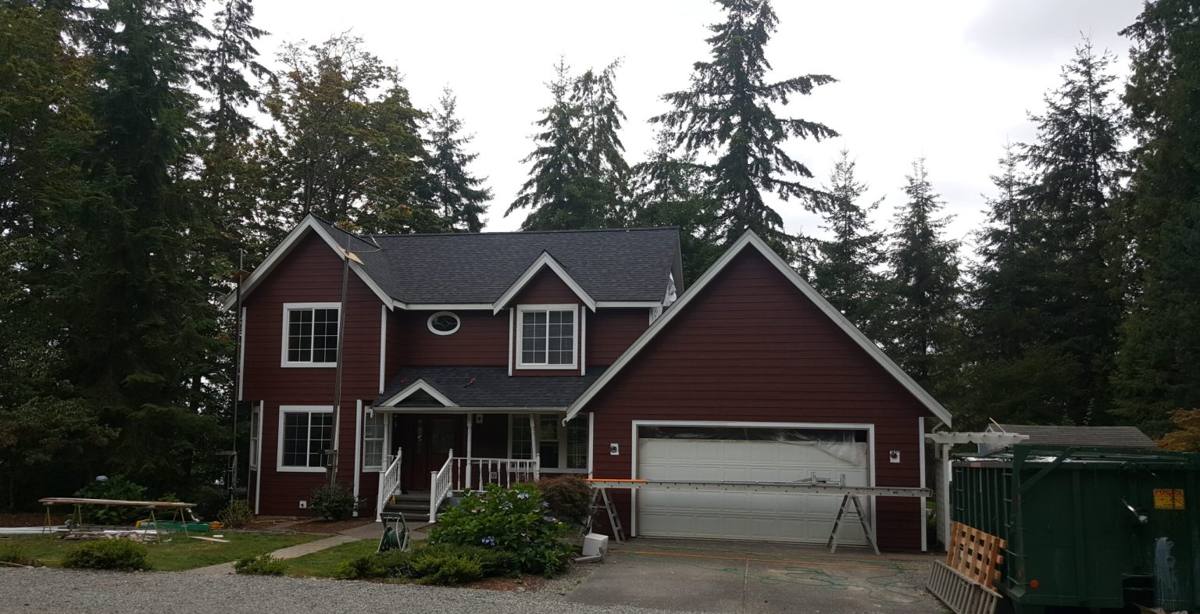
What Columbia's Climate Does to Siding Over Time
Salt Air and Metal Fasteners
Proximity to the bay means airborne salt settles on exterior surfaces even blocks back from the water. Over years, that salt content accelerates corrosion on exposed or under-driven nails and staples, and on any metal trim or flashing that wasn't rated for coastal exposure. Corroding fasteners lose their grip, panels start to shift, and water finds a path in through the enlarged hole.
Driving Rain and Wind-Loaded Water
Wind off the water doesn't just drop rain straight down — it drives it sideways into vertical seams, butt joints, and anywhere caulking has shrunk or cracked. Siding systems that rely on face-nailing or tight-butted joints without proper flashing behind them are especially vulnerable in this kind of weather pattern, which is common on exposed elevations in Columbia.
Extended Moss and Algae Season
Bellingham's wet season runs long, and shaded or north-facing walls in Columbia can stay damp for weeks without a real drying window. Moss and algae growth on siding isn't just cosmetic — it holds moisture against the surface, and on materials that aren't dimensionally stable or properly sealed at cut edges, that constant moisture contact is what eventually leads to swelling, softening, or rot underneath.
Signs a Columbia Home Needs Siding Repair, Not Just a Wash
- Soft or spongy spots when you press on the siding, especially near the bottom courses or around window trim
- Visible gaps at seams, corners, or where siding meets trim and flashing
- Persistent moss or dark staining that comes right back after cleaning
- Bubbling, peeling, or flaking paint that suggests moisture trapped underneath
- Panels that have visibly bowed, cupped, or pulled away from the wall
- Rusty streaking below fastener heads or trim pieces
- Interior signs like musty smells, peeling wallpaper, or damp drywall on exterior-facing walls
What a Correct Siding Repair Actually Involves
A quick caulk-and-paint patch might hide a problem for a season, but it rarely addresses what let water in to begin with. A repair done right in a climate like Columbia's needs to go a few steps further:
- Full inspection of the affected area and what's around it. Damage rarely stays contained to the exact spot you can see — we check adjacent panels, trim, and the sheathing behind the siding before deciding on scope.
- Identify the water path, not just the symptom. A stained panel is often the end result of a failure somewhere else — bad flashing above a window, a caulk joint that gave out, or a fastener that backed out. Fixing the visible spot without fixing the entry point means the same failure comes back.
- Check the sheathing and framing underneath. If moisture has been getting in for a while, the structural wood behind the siding may need to dry out, be treated, or in worse cases be replaced before new siding goes back on.
- Match material and installation to what's already there — or recommend a better path. Sometimes a clean, isolated repair using matching material is the right call. Other times, especially when we find several failure points on one elevation, patching becomes false economy and a section replacement makes more sense long-term.
- Reseal and re-flash properly. Correct flashing detail and quality sealant at every seam is what actually keeps driving rain out — this is the step that gets rushed on cheap repairs and is usually the reason they fail again within a year or two.
How We Approach Siding Repair Calls in Columbia
Our process starts with an honest look at what's actually going on, not an upsell pitch. We walk the affected elevation, check moisture levels where we can, and give you a clear picture of what's a simple fix versus what points to a bigger issue. From there:
- We explain what we found in plain terms — including if it's a smaller repair than you feared, or if we think replacement is the more honest long-term answer
- We give you options and pricing before any work starts, with no pressure to go bigger than the problem requires
- Repairs are done with attention to the water-management details — flashing, house wrap integration, and sealant — not just cosmetic patching
- Where we're matching existing James Hardie siding, we work to get color and profile right so the repair blends in
Repair vs. Replacement: How We Help You Decide
| Factor | Repair likely makes sense | Replacement worth considering |
|---|---|---|
| Extent of damage | Isolated to one small area or a few panels | Multiple areas across one or more elevations |
| Underlying material | Sound siding with a localized failure point | Widespread softness, delamination, or repeated moss/rot cycles |
| Age of existing siding | Relatively recent installation, otherwise in good shape | Original siding is aging out or was a lower-durability material to begin with |
| Root cause | A single identifiable failure (flashing, caulk, one bad fastener run) | Systemic issue like poor original installation or a material not suited to this climate |
| Cost over time | One-time fix resolves the issue | Pattern of recurring repairs in the same area |
Why We Only Repair and Replace With James Hardie
We don't install vinyl, LP SmartSide, cedar, or primed spruce siding, and when we're called out to repair a home that has one of those materials, we'll say so plainly and explain what we're seeing. Our standard is James Hardie fiber cement, and in a place like Columbia — with salt air, driving rain, and a moss season that doesn't quit — the reasons come down to how the material actually behaves outdoors over years, not marketing claims.
Hardie fiber cement is non-combustible, dimensionally stable, and engineered specifically for wet Pacific Northwest conditions through its HZ5 product line. It doesn't absorb and swell with moisture the way wood-based products can, which matters directly on the shaded, damp walls common in this neighborhood. The factory-applied ColorPlus finish resists fading and holds up to repeated cleaning far better than field-applied paint, and it comes with a strong transferable warranty backed by the manufacturer — not just the installer.
When we do a siding repair on a Hardie-clad Columbia home, we're working with a material that was built for exactly this climate, which makes the repair itself more predictable and longer-lasting. When we're asked to patch a different material, we're honest about the limits of that fix and what switching to Hardie would mean for the home going forward.
Maintenance That Extends the Life of a Repair
A good repair buys you time, but a little upkeep buys you a lot more. For Columbia homeowners, that mainly means staying ahead of moisture and growth:
- Rinse moss and algae off shaded or north-facing walls before it builds up thick enough to hold moisture against the siding
- Keep gutters clear so overflow isn't running down the siding face during heavy rain
- Trim back vegetation that keeps a wall shaded and damp longer than it needs to be
- Do a visual walk-around once or twice a year, especially after storm season, looking for the warning signs listed earlier
- Address small caulk or trim issues quickly — they're cheap to fix early and expensive once water gets behind the siding
Get a Straight Answer on Your Columbia Siding
If you're seeing soft spots, stubborn moss, staining, or gaps in your siding, it's worth having someone take a real look before the next round of rain off the bay makes it worse. We offer free, no-pressure estimates for siding repair in Columbia and throughout the Bellingham area — use the form below and we'll get back to you with an honest assessment of what your home actually needs.