 Bellingham Roofing
 Building Decks in Lynden: What Whatcom County Weather Demands
Lynden sits inland from Bellingham Bay, but that doesn't mean the coastal influence stops at the water. Salt-tinged air drifts in with the marine layer, driving rain comes through in long soaking systems rather than quick storms, and the shoulder seasons bring a moss season that can stretch from October well into April. A deck built here has to be designed for wet-dry cycling, not just good looks on a dry install day. We've built and repaired decks throughout this part of Whatcom County long enough to know which details matter and which ones are just sales talk.
A deck that looks great in July can be a slip hazard, a rot problem, or a fastener-corrosion headache by the following spring if the underlying build didn't account for how much moisture this region actually sees. This page focuses specifically on what a correctly built custom deck looks like for a Lynden property, and why the crew you hire for it matters as much as the materials.
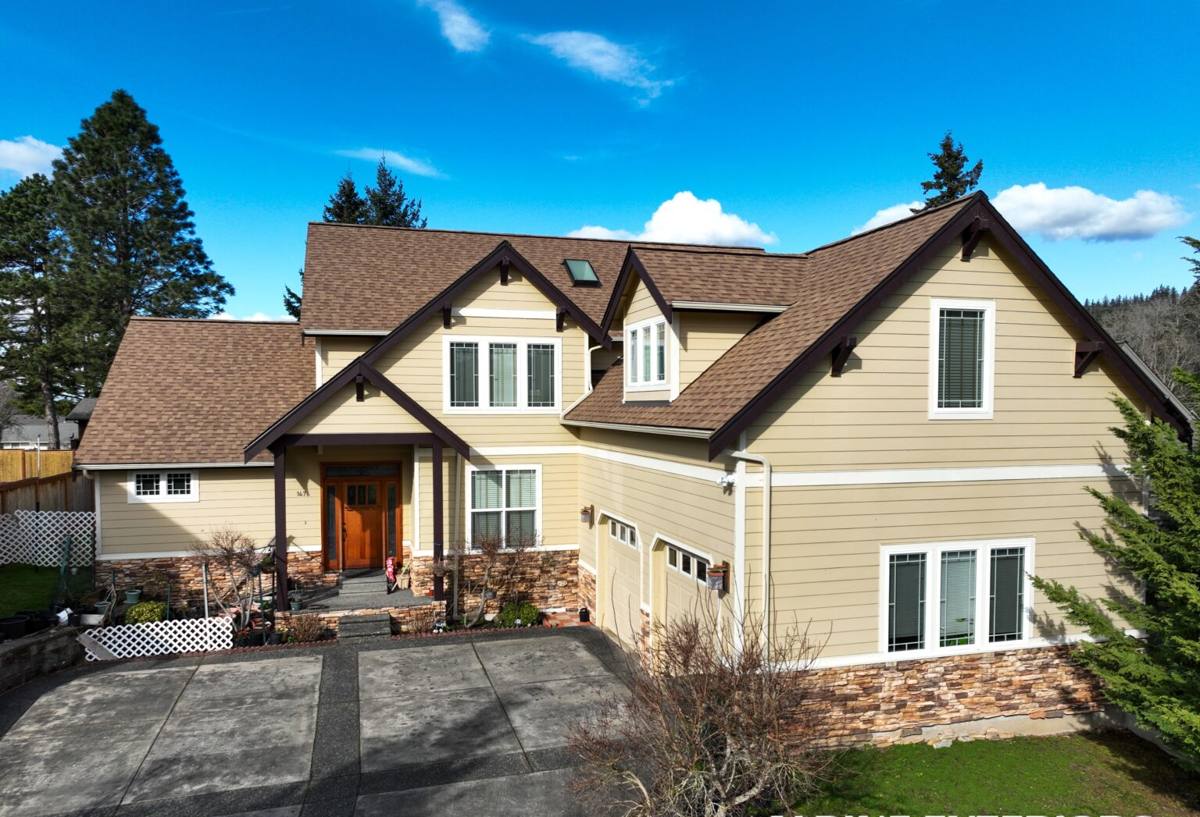
Why Lynden's Climate Is Harder on Decks Than It Looks
Driving Rain and Standing Moisture
Whatcom County doesn't get the short, intense downpours some regions do. Instead, rain arrives in long, low-pressure systems that can sit over the area for days. That means wood, composite, and fasteners on a deck aren't just getting wet — they're staying wet, often for extended stretches. Ledger boards, joist tops, and anywhere water can pool or wick upward are the first places problems show up.
Moss and Algae Growth
The combination of shade, moisture, and mild temperatures makes this part of Washington ideal for moss and algae growth on horizontal surfaces. On a deck, that's not just cosmetic — moss holds moisture against the decking surface and becomes genuinely slippery underfoot, especially on stairs. Decking material, gap spacing, and surface texture all affect how bad this gets over time.
Salt Air and Metal Fasteners
Lynden is inland enough that salt exposure is lighter than it is right on the water, but the marine air pattern still reaches into Whatcom County on a regular basis. Over years, that low-level salt exposure accelerates corrosion on fasteners and hardware that aren't rated for it. It's a slow problem, which is exactly why it gets overlooked — the deck looks fine until a fastener fails.
Freeze-Thaw Cycling
Winters here aren't brutally cold, but they do dip below freezing often enough to matter, especially overnight. Wood and composite decking that stays saturated from fall rain, then freezes and thaws repeatedly through winter, is under real structural stress even if nothing looks wrong on the surface.
What a Correctly Built Deck for Lynden Actually Involves
Framing and Substructure
The framing is where most long-term deck failures start, and it's the part homeowners never see once the decking goes down. For this climate, that means:
- Proper ledger board flashing where the deck attaches to the house, so water is directed away from the structure instead of into it
- Joist tape or a comparable moisture barrier on top of every joist to stop water from soaking into end grain
- Corrosion-resistant structural hardware and fasteners rated for exterior, wet-climate use — not standard interior-grade hardware
- Adequate slope away from the house (roughly a quarter inch per foot) so water sheds instead of pooling
- Sufficient ventilation underneath the deck so the substructure can actually dry out between rain events
Decking Material Choices
There's no single "right" decking material for every Lynden home — it depends on budget, maintenance tolerance, and how much shade the deck gets. Here's how the common options actually compare in this specific climate:
| Material | Moisture Performance | Moss/Algae Resistance | Maintenance |
|---|---|---|---|
| Pressure-treated wood | Good if sealed and maintained; end grain is the weak point | Moderate — needs periodic cleaning | Annual sealing/staining recommended |
| Cedar | Naturally decent, but softer and more prone to surface wear | Moderate — moss takes hold if not cleaned | Periodic sealing to maintain appearance and moisture resistance |
| Composite decking | Excellent — doesn't absorb water like wood | Still needs cleaning; smoother composites handle it better than heavily embossed ones | Low — occasional washing |
| PVC decking | Excellent — fully synthetic, no wood fiber to hold moisture | Good, especially with a textured but not overly porous surface | Low |
We'll walk through these trade-offs honestly during an estimate rather than steering every homeowner toward the highest-margin product. Some Lynden homeowners want the look and feel of real wood and are fine with the maintenance; others want to install it once and not think about sealing schedules again. Both are legitimate choices — the deck just needs to be built correctly either way.
Railings, Stairs, and Fasteners
Railing posts need proper blocking and structural attachment, not just surface-mounted brackets — this is a common shortcut that fails inspection or, worse, fails under load. Stair treads in particular need attention to surface texture given the moss issue described above; a smooth, glossy board that looks nice on a showroom sample can become genuinely dangerous on an exterior Lynden staircase in December.
Our Process for a Lynden Deck Project
1. On-Site Assessment
We look at the site itself — sun and shade exposure, drainage patterns around the foundation, existing structure if it's a rebuild, and how the deck will actually be used (entertaining, grilling, hot tub, simple access to the yard). Local site conditions drive real design decisions, not just aesthetic ones.
2. Design and Material Selection
We go over decking material, railing style, and layout options with actual cost and maintenance trade-offs explained plainly, using the comparison above as a starting point rather than a sales pitch.
3. Permitting
Deck projects above certain heights or attached to the home typically require a permit through the applicable jurisdiction covering Lynden. We handle that process as part of the job rather than leaving it to the homeowner to sort out.
4. Build
Framing first, with all the moisture-management details covered above, then decking, then railings and stairs. We don't skip the framing details because they're invisible in the final result — that's exactly where deck failures start in this climate.
5. Final Walkthrough
We walk the finished deck with the homeowner, cover any maintenance recommendations specific to the material chosen, and answer questions before calling the job done.
Maintenance That Actually Matters Here
Whatever material you choose, a few habits make a meaningful difference in how a deck holds up through Whatcom County winters:
- Sweep debris off the deck surface regularly in fall — wet leaves sitting on decking accelerate both rot and moss growth
- Clean moss and algae off the surface at least once a year, ideally before the wettest months set in
- Check railing posts and stair connections annually for any looseness
- Keep gutters and downspouts near the deck clear so water isn't dumping directly onto or under it
- Reseal wood decking on the schedule appropriate to the product — don't wait until it visibly needs it, since damage happens before it's visible
Common Mistakes We See on Existing Lynden Decks
A lot of our deck work in this area isn't new builds — it's repairing or rebuilding decks that were done without this climate in mind. The most common issues we run into:
- No ledger flashing, leading to water intrusion at the house connection point
- Standard interior fasteners used instead of exterior-rated hardware, showing corrosion within a few years
- Decking installed with insufficient gap spacing, trapping moisture and debris between boards
- Railing posts attached with surface brackets only, with no structural blocking behind them
- No ventilation built into low-clearance deck substructures, trapping moisture underneath year-round
Why a Crew That Already Works in Lynden Makes a Difference
Deck-building fundamentals are the same everywhere, but the details that separate a deck that lasts from one that doesn't are regional. A crew that works across Whatcom County regularly sees how decks actually hold up through a full wet season and into the next summer — which fasteners hold up, which decking surfaces handle moss cleanup best, and where drainage problems tend to show up on this kind of terrain. That's a different kind of knowledge than following a generic installation manual, and it shows up in the parts of the job you don't see once the decking is down.
It also means straightforward permitting familiarity, realistic timelines that account for our rainy season, and a crew that isn't guessing at how the deck will perform once the weather turns.
Get a Free Estimate for Your Lynden Deck
If you're planning a new deck or need to replace one that hasn't held up to Whatcom County weather, we're happy to take a look and give you an honest assessment — no pressure, no obligation. Use the form below to request a free estimate.