 Bellingham Roofing
 Windows Built for Sehome's Weather, Not Just Its Style
Sehome sits close enough to Bellingham Bay that salt-laden air is a daily fact of life, and the hill's tree cover means a lot of homes here live in shade for long stretches of the year. That combination is hard on windows. Salt air accelerates corrosion on hardware and metal components, driving rain finds every gap in a poorly sealed frame, and shaded, damp conditions feed moss and mildew growth on sills and exterior trim for a good chunk of the year. A window that works fine in a drier inland neighborhood can start failing early here if it wasn't chosen and installed with this specific microclimate in mind.
We install custom windows throughout Bellingham and Whatcom County, and Sehome's older housing stock — a mix of early-to-mid-century homes and newer infill construction near the university — gives us a good read on what actually holds up. This page covers what that means in practice: material choices, correct installation, our process, and what to expect when you bring in a crew that already understands this neighborhood.
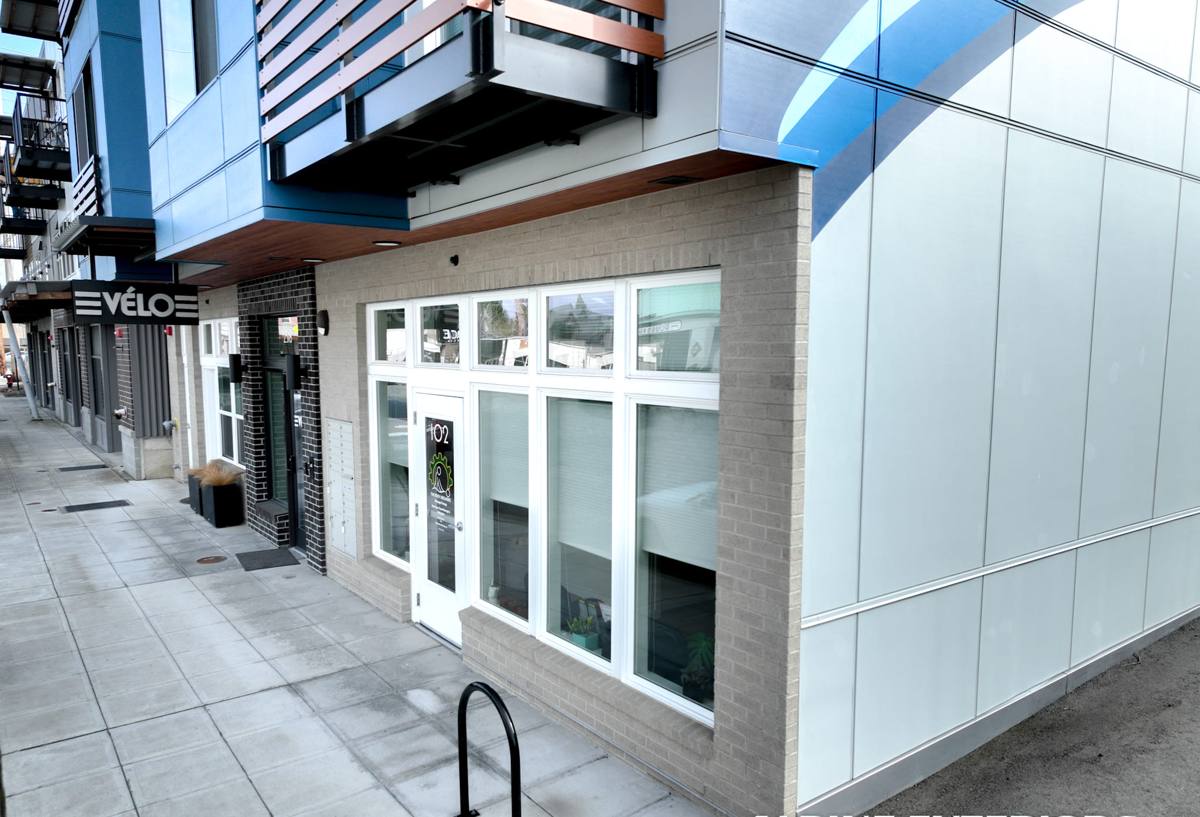
What Sehome's Climate Actually Does to a Window
Salt Air and Corrosion
Being close to the water means airborne salt settles on everything, including window hardware. Cheap or unprotected fasteners, hinges, and locking mechanisms can start pitting and corroding years before they should. This is one reason we pay attention to hardware specification, not just glass and frame, when we quote a job.
Driving Rain and Wind-Driven Moisture
Bellingham doesn't just get rain — it gets rain pushed sideways by wind coming off the water. That means water is often being forced horizontally against the building envelope, not just falling straight down. A window's flashing details and the quality of its seal against the wall assembly matter as much as the window unit itself. A well-built window installed with poor flashing will still leak.
Moss, Mildew, and Prolonged Dampness
Sehome's mature tree canopy keeps a lot of the neighborhood shaded, which is great for curb appeal and terrible for anything that stays damp. Moss and mildew take hold on sills, sashes, and exterior trim wherever moisture lingers without enough sun or airflow to dry it out. Wood components in constant shade need either a genuinely weather-resistant finish or a material that doesn't feed organic growth in the first place.
Temperature Swings and Condensation
Whatcom County's marine climate means relatively mild but persistent cold and damp in the winter months. Single-pane or poorly sealed older windows in Sehome's older homes often show heavy interior condensation and cold drafts, which is usually the first sign homeowners notice before they call us.
What "Correct" Looks Like for a Sehome Window Install
A lot of window problems aren't the window's fault — they're installation problems that show up years later as leaks, rot, or drafts. Getting it right in this climate means:
- Frame materials and finishes chosen for consistent moisture exposure, not just appearance
- Proper flashing integration with the existing wall assembly so wind-driven rain sheds outward, not inward
- Sealant and weatherstripping rated for sustained damp conditions, not just occasional rain
- Hardware specified to resist salt-air corrosion, especially on homes closer to the bay
- Correct shimming and leveling so sashes seal evenly across seasonal wood movement
- Sill design and slope that actually drains water away instead of letting it pool
Skipping any one of these can undo the benefit of an otherwise good window. We treat installation as equally important as product selection, because in this climate, it is.
Choosing the Right Window Material for Sehome
There's no single "best" window material for every home — it depends on the home's age, exposure, and how much upkeep the owner wants to take on. Here's how the common options hold up under Sehome's specific conditions.
| Material | Salt Air / Moisture Behavior | Maintenance | Best Fit |
|---|---|---|---|
| Vinyl | Resists corrosion well; won't rot or feed moss growth | Low — occasional cleaning | Most Sehome homes wanting low upkeep |
| Fiberglass | Excellent moisture and salt-air stability; very dimensionally stable | Low | Homes with heavy rain/wind exposure or larger custom openings |
| Wood (clad exterior) | Good if the exterior cladding is intact; interior wood stays protected | Moderate — clad exterior reduces upkeep vs. solid wood | Older or historic-style Sehome homes wanting a traditional interior look |
| Aluminum | Prone to corrosion and condensation in this climate without upgraded thermal breaks | Moderate to high | Generally not our first recommendation for this neighborhood |
We don't push one material on every homeowner. We'll walk your specific exposure — how shaded the wall is, how close you are to the water, what direction storms typically hit your house — and match the material to that reality rather than a generic recommendation.
Custom-Fit Matters More in Older Sehome Homes
A lot of Sehome's housing stock predates standard modern window sizing. Openings settle, framing shifts slightly over decades, and factory-standard sizes often don't line up cleanly. Custom windows are built to the actual opening rather than forcing the opening to fit a stock size, which means:
- No filler panels or awkward trim work to hide gaps
- A tighter, more consistent seal along the entire frame
- Better matching to your home's existing architectural lines and trim profiles
- Fewer long-term leak points, since there's no patched-together framing to fail later
For homes near the university and in the older parts of the neighborhood especially, custom sizing usually isn't optional if you want a clean, weathertight result.
Our Process for a Sehome Window Project
1. On-Site Assessment
We look at each opening individually — its exposure to wind and rain, existing signs of moisture damage, framing condition, and how much shade the wall gets. This tells us what material and glass package actually make sense for that specific window, not just the house as a whole.
2. Material and Glass Selection
We walk through frame material options and glass packages (double-pane, low-E coatings, gas fills) based on your budget and how exposed the window is. A window on the weather side of the house often warrants a different spec than one tucked under an eave.
3. Precise Measurement and Ordering
Custom units are measured to the actual opening, accounting for any settling or irregularity in older framing, so the finished window fits without improvised patchwork.
4. Removal and Flashing Prep
Old units are removed carefully to expose the rough opening, and we inspect for hidden rot or moisture damage before anything new goes in — a problem we'd rather catch now than have you discover in five years. Flashing and moisture barriers are corrected or installed properly at this stage.
5. Installation and Sealing
The new window is shimmed, leveled, and sealed with attention to how wind-driven rain will move across that wall. This is the step where most long-term leak problems are prevented or created, so we don't rush it.
6. Final Check and Cleanup
We test operation, check the seal, and walk you through basic care specific to your new windows before we consider the job finished.
Simple Maintenance That Extends Window Life Here
Even a correctly installed window benefits from a little seasonal attention in a climate like this. A short list worth keeping to:
- Rinse accumulated salt residue off exterior frames a few times a year, especially closer to the bay
- Clear moss or debris from sills and tracks before it holds moisture against the frame
- Check weatherstripping annually for compression or gaps as seasons change
- Keep gutters and nearby drainage clear so water isn't sheeting down over window heads
- Watch for condensation buildup between panes — it usually means a seal has failed and the unit needs attention
Why Hire a Crew That Already Works in Sehome
Window installation isn't identical everywhere in Whatcom County. A crew used to drier, more sheltered inland conditions may not think twice about flashing details or hardware corrosion resistance that actually matter here. Working regularly in Sehome and the surrounding Bellingham neighborhoods means we've seen how these specific homes age, what fails first, and what holds up under this exposure. That's the difference between a window that looks right on install day and one that's still performing correctly in ten years of salt air, sideways rain, and shaded, damp winters.
If you're dealing with drafty, foggy, or hard-to-operate windows in your Sehome home, or you're planning ahead for a remodel, we're glad to take a look and give you a straightforward, no-pressure estimate — just fill out the form below.