 Bellingham Roofing
 Deck Building in Cordata, Built for How It Actually Rains Here
Cordata is one of the faster-growing corners of Bellingham, with a mix of newer subdivisions and older homes tucked in around the commercial core. Whatever the age of the house, the backyard has to deal with the same thing every deck in Whatcom County deals with: months of steady, wind-driven rain, humid air that never really dries out, and a moss season that can run from early fall clear through spring. A deck built without that in mind might look fine for a year or two. Then the moss shows up in the gaps, the fasteners start weeping rust, and the framing underneath starts holding water it was never designed to shed.
We build and replace decks for homeowners across Cordata and the surrounding Bellingham neighborhoods, and we treat every deck as a drainage and ventilation project first, and a carpentry project second. Get the water management right and the rest of the deck lasts. Get it wrong and no amount of nice decking board hides the problem for long.
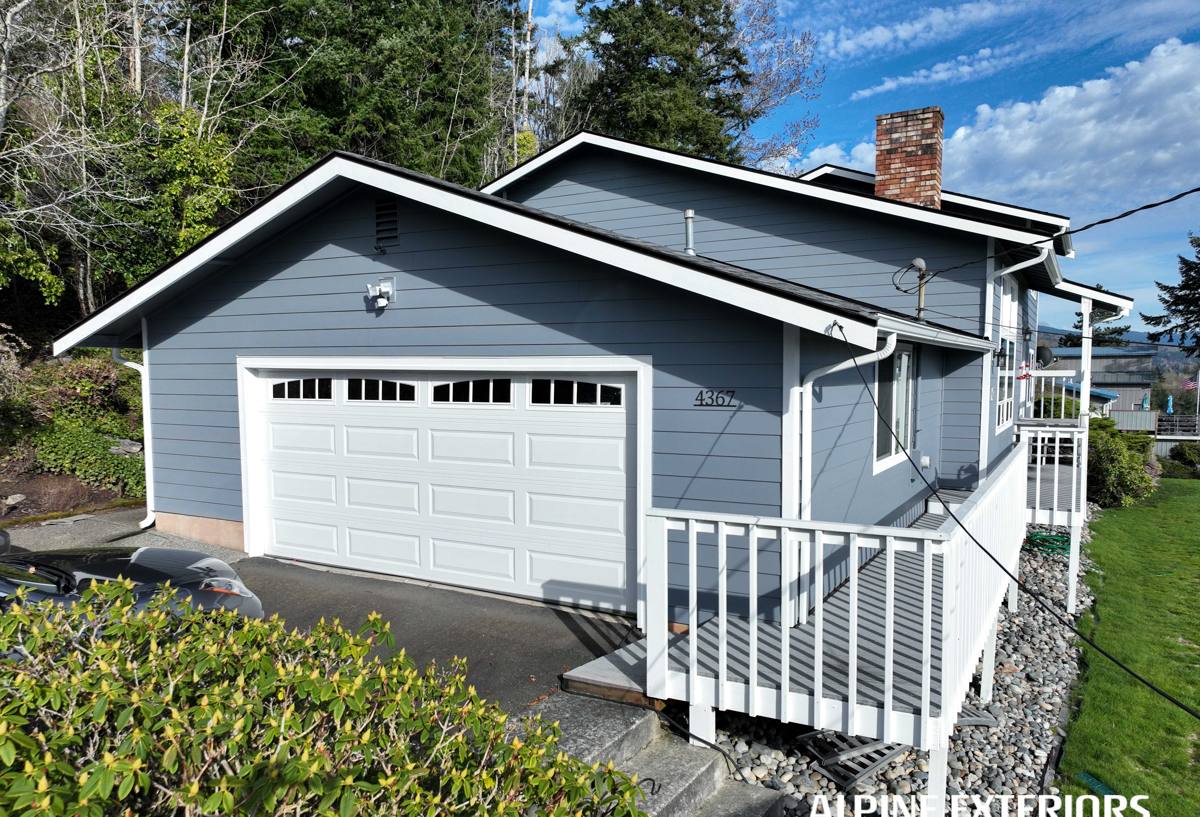
How Bellingham's Climate Wears Down a Deck
Cordata sits a bit inland and slightly elevated compared to the waterfront neighborhoods closer to Bellingham Bay, which means it gets a little less direct salt exposure than a lot right on the water. That's a small advantage, but it doesn't exempt the neighborhood from the rest of the region's climate. The marine air here still carries moisture and a trace of salt even away from the shoreline, and it settles into anything porous — wood grain, fastener heads, the underside of a deck that doesn't get much sun.
A few things stack up over a typical Whatcom County year:
- Driving rain comes in at an angle during winter storms, which pushes water into joints and connections that a vertical-only design assumes will stay dry.
- Long moss season means algae and moss get a head start on any surface that stays damp and shaded, which is most of a deck for half the year.
- Freeze-thaw cycles, even mild ones, work water into small cracks in wood and concrete and force them wider over a few seasons.
- Constant humidity keeps end grain and fastener corrosion active year-round instead of giving materials a real chance to dry out between wet spells.
None of this is exotic — it's just the normal cost of building outdoors in this part of Washington. The difference between a deck that holds up and one that doesn't usually comes down to a handful of details at the framing and flashing stage, not the decking material on top.
Choosing a Decking Material for a Cordata Backyard
There's no single right answer here — it depends on budget, how much upkeep you want to take on, and how long you plan to stay in the house. Here's how the common options actually perform in our climate, not just on a sales sheet.
| Material | Upfront Cost | Maintenance | How It Handles Our Wet Season |
|---|---|---|---|
| Pressure-treated wood | Lowest | Annual cleaning, periodic sealing | Fine if maintained; skipped sealing lets moisture in and accelerates rot at fastener points |
| Cedar | Moderate | Sealing every 1-2 years to hold color and grain | Naturally rot-resistant, but still needs sealer to shed water long-term |
| Capped composite | Higher | Occasional washing, no sealing or staining | Handles constant moisture well; the cap resists moss staining better than uncapped boards |
| PVC | Highest | Lowest — washing only | Fully moisture-proof board, but can look and feel less like traditional decking to some homeowners |
Our general take: if you're building a deck you plan to keep for decades and don't want to think about sealing schedules, capped composite is the most sensible middle ground for this climate. If you like the look and feel of real wood and are willing to reseal it on schedule, cedar or good pressure-treated lumber still perform well here — the material isn't the weak link, inconsistent maintenance is.
Fasteners and Hardware Matter as Much as the Boards
Whatever decking you choose, the hardware holding it together needs to be rated for the exposure. Standard fasteners corrode faster in our humidity than most homeowners expect, especially where they meet pressure-treated lumber. We use fasteners and connectors rated for the wood and moisture conditions they'll actually see, not whatever's cheapest at the time.
What a Correctly Built Deck Actually Involves
A deck that survives Bellingham winters is built with a handful of non-negotiables. These are the things worth asking any contractor about before work starts:
- Footings set below frost depth and sized for the actual load of the deck, not guessed at
- A ledger board that's properly flashed and waterproofed where it meets the house — this single connection is the most common source of rot and water intrusion on older decks in this area
- Joist spacing and beam sizing that match the span and board type, following current code span tables rather than "what we did last time"
- A slight slope built into the frame so water sheds off instead of pooling
- Board gaps sized to let air move underneath and let the deck actually dry between storms
- Blocking and bracing that keeps the structure from racking under lateral load, which matters more on taller decks
Skipping any one of these doesn't usually show up right away. It shows up in year three or four, as soft framing, a leaning post, or water staining on the siding above a poorly flashed ledger board.
Our Deck Building Process
- Site visit and assessment — we look at grade, drainage, sun exposure, and how the deck will tie into the house before talking materials.
- Design and material selection — sizing, layout, and decking/railing choices based on your budget and how you'll use the space.
- Permitting — we handle the paperwork with the city or county, which is required for most decks above a certain height or attached to the house.
- Footings and framing — the structural work that determines how long the deck actually lasts, done to span and load requirements rather than shortcuts.
- Decking, railing, and stairs — installed with attention to fastening pattern, gap spacing, and drainage details specific to our climate.
- Final walkthrough — we go over the finished deck with you, including what maintenance it will and won't need.
Railings, Stairs, and Local Code Requirements
Bellingham and Whatcom County follow the state building code for residential decks, which sets minimum requirements for guardrail height, baluster spacing close enough together to prevent a small child from slipping through, and stair rise-and-run consistency. Decks above a certain height off grade need a permit and inspection, and attached decks need to demonstrate a proper connection to the house structure, not just the ledger flashing.
We handle the permit process as part of the job rather than leaving it to the homeowner, and we build to pass inspection the first time — not just to code minimums, but with the extra attention to flashing and fastening that this climate calls for.
Maintaining a Deck Through Bellingham's Long Wet Season
Even a well-built deck needs some seasonal attention here. This isn't a long list, but skipping it is how a good deck turns into a problem deck early:
- Clear leaves and needles out of board gaps before they compost in place and hold moisture against the wood
- Wash off algae and moss buildup at least once a year, ideally before the wettest months set in
- Check the ledger board flashing and any spots where the deck meets the house for signs of water staining
- Reseal wood decking on the schedule appropriate to the product — don't wait until it visibly grays and cracks
- Look over fasteners and hardware for rust streaks, which usually mean a connection needs attention
- Keep gutters and downspouts clear so roof runoff isn't dumping extra water onto or under the deck
Why a Crew That Already Works in Cordata Makes a Difference
Deck problems in this area tend to repeat themselves for the same reasons: a ledger board flashed for a drier climate, decking installed tight with no gap for airflow, or footings sized without accounting for how saturated the soil gets by midwinter. A crew that builds decks across Bellingham and Whatcom County regularly has already seen how these mistakes play out a few years down the road, and builds around them from the start.
There's also the practical side — knowing the permitting process for the city and county, understanding typical lot grading and drainage patterns in established Bellingham neighborhoods, and not needing a learning curve on materials that perform differently here than they might in a drier part of the state. That familiarity shows up in fewer surprises during the build and a deck that's set up to handle its first few wet winters without issue.
If you're planning a new deck or need to replace one that's showing its age, we're happy to take a look and put together a straightforward, no-pressure estimate. There's a form below — reach out and we'll set up a time to walk the site with you.