 Bellingham Roofing
 Deck Repair for Cordata Homes
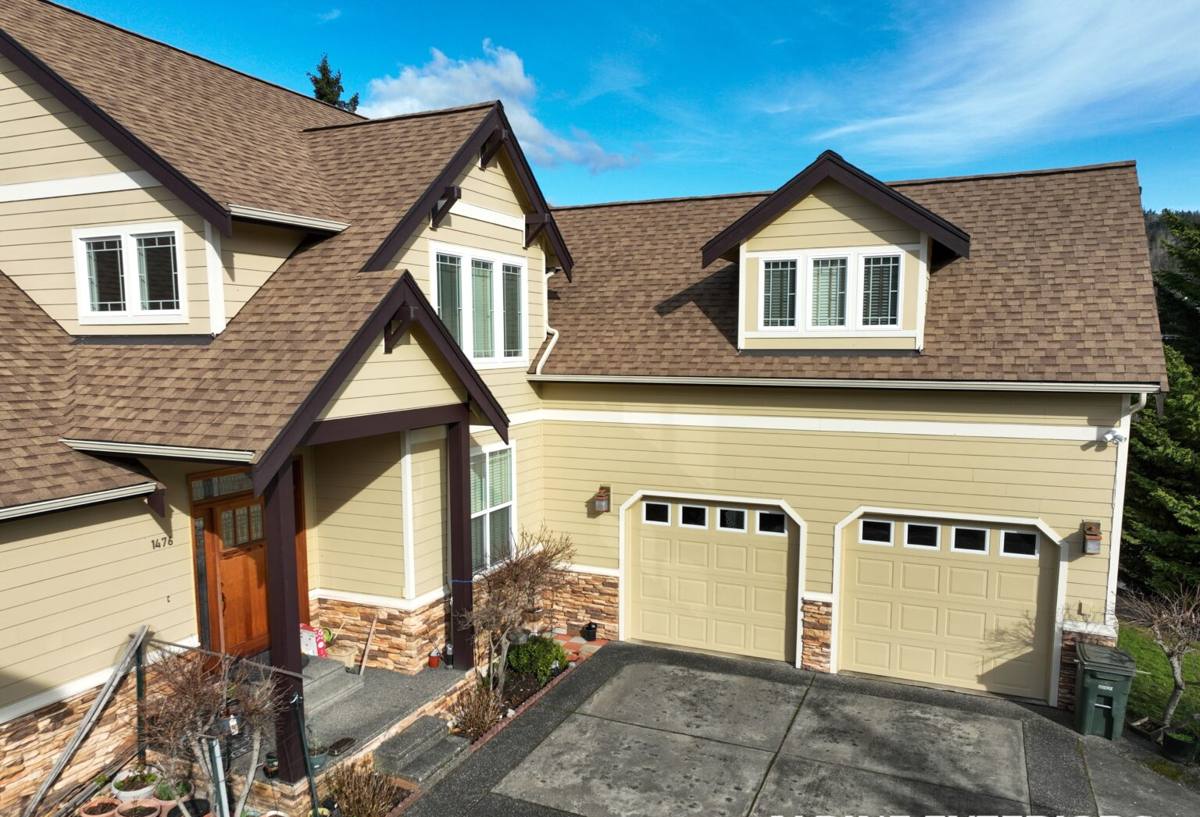
Cordata is one of the newer, still-growing neighborhoods on Bellingham's north side, which means a lot of its decks are younger than what you'd find in older parts of town. That doesn't buy them much of a break. Whatcom County's climate wears on a ten-year-old deck almost as hard as it does a thirty-year-old one — salt-tinged air drifting in off Bellingham Bay, driving rain that doesn't fall straight down, and a moss season that runs most of the year all work on the wood, fasteners, and framing underneath the surface, whether the deck is new or not.
Deck repair done right isn't just swapping out whatever board looks worst. It means understanding what's actually failing underneath, why it failed in this specific climate, and whether a repair will hold or whether the problem is bigger than the visible symptom. This page covers what deck repair actually involves for a Cordata home, what tends to go wrong first here, and how our process works.
What Bellingham's Climate Does to a Deck Over Time
Salt Air and Fastener Corrosion
Homes across Bellingham, including neighborhoods set back from the water like Cordata, still get a steady dose of salt-tinged air moving in off Bellingham Bay. It's a slower, quieter kind of wear than a waterfront lot sees, but it adds up over years. Salt exposure accelerates corrosion in exposed metal — deck screws, joist hangers, post brackets, railing hardware — and a corroding fastener loses holding strength well before it looks obviously bad. On a deck, that's a structural issue hiding behind a cosmetic one.
Driving Rain and Hidden Rot
Rain in this part of Whatcom County rarely just falls straight down. Wind pushes it sideways, driving moisture up under railings, into the ledger board connection where the deck ties into the house, and between decking boards that weren't gapped correctly to begin with. That pattern doesn't damage a deck's surface first — it damages the framing and connections underneath, which is exactly why deck problems here often look minor from the top and turn out to be more serious once a board comes up.
A Moss Season That Doesn't Really End
Mild temperatures and near-constant moisture give moss a long growing season in Bellingham, and a horizontal deck surface is one of the first places it takes hold, since it holds water longer than a vertical wall and stays damp between rain events. Shaded decks and north-facing surfaces usually show it first. Beyond looking bad, moss holds moisture against the decking surface and makes boards slicker and more slippery underfoot, which matters on stairs and steps especially.
Signs Your Deck Needs Repair, Not Just a Cleaning
A pressure wash and a fresh coat of sealant can make a tired deck look better for a season, but some problems are structural and won't be solved by cleaning. Worth checking for before you decide which one you're dealing with:
- Boards that feel soft, spongy, or flex noticeably underfoot, especially near the house or in shaded corners
- Visible gaps, cracking, or staining around the ledger board where the deck attaches to the house
- Railing posts that wiggle or feel less solid than they used to, even slightly
- Rust staining around fasteners or hardware, or screw heads that look corroded or are backing out
- Stair stringers that feel uneven, bouncy, or show cracking at the cut points
- Standing water that doesn't drain from the deck surface or the ground underneath it
- Persistent moss or dark staining that comes right back within weeks of cleaning
- Any visible daylight or gap where framing members meet, which usually means a connection has loosened or a member has shifted
Any one of these on its own might be a small fix. Several together usually mean the deck needs a fuller assessment before anyone decides what's actually required.
Repair or Rebuild? How We Decide
Not every deck problem calls for the same scope of work, and being upfront about that distinction is part of doing an honest job. The table below covers how common issues typically get handled, though a full assessment on site is what actually determines the right call for your deck.
| Issue | Usually a Repair | Usually Points to a Rebuild |
|---|---|---|
| A few soft or damaged boards | Yes, if framing underneath is sound | Only if rot has spread into the joists |
| Corroded fasteners or hardware | Yes, hardware replacement is straightforward | Rarely, unless corrosion has damaged the wood around it |
| Ledger board or flashing failure | Sometimes, if caught early | Often, since this connection is structural and hard to partially fix |
| Loose or unstable railing posts | Yes, if the post base itself is sound | If the post footing or framing it anchors to has failed |
| Widespread soft or rotted framing | No | Yes — this is a structural rebuild, not a patch |
| Deck is structurally sound but dated in design | Cosmetic refresh only | Only if the homeowner wants a different layout |
The general rule: if the problem is isolated to the surface or hardware, a repair addresses it directly. If it's traced back into the framing, ledger connection, or footings, patching around it usually just delays a bigger repair a year or two down the road, at more cost than doing it right the first time.
What a Correct Deck Repair Involves
- A full assessment of the decking surface, framing, ledger connection, and railing system before any work starts, not just the section that looks obviously damaged
- Checking the ledger board and flashing where the deck meets the house, since this connection point is one of the most common sources of hidden moisture damage
- Inspecting joists and beams for soft spots or rot that isn't visible from the top of the deck
- Replacing corroded fasteners with stainless steel or corrosion-resistant hardware rated for sustained moisture exposure, rather than reusing standard hardware
- Matching replacement decking boards and framing lumber to what's already there, or discussing an upgrade if the original material is part of why the deck is failing
- Re-checking board gapping and drainage so water can actually shed and dry between boards going forward
- Confirming railing posts and stair stringers are solidly anchored, not just cosmetically repaired
Skipping any of those steps can make a repair look complete while leaving the actual cause of the failure in place, which usually means the same problem resurfaces within a season or two.
Common Repair Issues We See on Cordata Decks
A lot of Cordata's housing stock is newer construction, and newer decks tend to fail in a specific pattern: the visible decking material often still looks fine, while the ledger connection, fastener hardware, or framing underneath is where the climate has actually done its work. Newer builds sometimes used standard-grade fasteners or minimal flashing at the ledger board, which was adequate on day one but starts corroding or letting moisture in a handful of years into this area's wet, salt-tinged climate. Elevated decks off second-floor living spaces, common on sloped lots in this part of the neighborhood, also put more load on railing posts and stair connections, which is where we tend to find the first signs of loosening. None of this means anything was necessarily built wrong originally — it's more that Bellingham's climate reveals weak points in a deck's original hardware and detailing faster than a drier region would.
How Our Repair Process Works
- We start with a site visit to assess the deck in person — surface condition, ledger and flashing, framing underneath where accessible, railings, and stairs.
- We walk through what we find and lay out the honest options: repair scope and what it addresses, or, if the damage is more structural, what a rebuild would involve and why a patch wouldn't hold.
- Once you approve a scope, we handle any required permitting for structural work through the City of Bellingham or Whatcom County, depending on where the property sits.
- Repair work follows the structural priority first — framing, ledger connection, and fasteners — before addressing decking boards, railings, and surface-level items.
- We finish with a walkthrough covering what to expect going forward and what routine upkeep will actually keep the repair holding.
Keeping a Repaired Deck in Good Shape
- Rinse the deck surface periodically to clear salt residue, pollen, and organic buildup before it works into the wood or fastener holes
- Keep gaps between boards clear of leaves and debris so water can actually drain and airflow can dry the surface between storms
- Check railing posts and hardware once a year, particularly heading into the wet season, for early corrosion or loosening
- Trim back plants or overhanging branches that keep moisture sitting against the deck or block sun and airflow across the surface
- Address any soft framing or standing water underneath right away rather than waiting — that's a structural issue, and it only gets more expensive with time
Why It Matters That We Already Work in Cordata
A crew that mostly works drier climates or different parts of the country can still repair a deck competently, but they're often diagnosing this region's specific failure patterns for the first time on your project. Working Cordata and the rest of Bellingham regularly means we already know where salt-tinged air and driving rain tend to hit hardest on a deck, which fastener grades actually hold up here versus which ones are worth the upgrade, and how a moss season that runs most of the year changes what maintenance schedule actually makes sense. That familiarity shows up in the parts of the job a homeowner doesn't always see — knowing where to check first on an assessment, and being straightforward about what's a real repair versus what's a bigger structural problem wearing a small one's clothes.
Whether your deck has a specific problem you've noticed or you just want an honest read on its overall condition, we're happy to take a look and lay out the options plainly. Reach out below for a free, no-pressure estimate.