 Bellingham Roofing
 Edgemoor's Setting Puts Real Demands on a Wall System
Edgemoor sits on the wooded bluffs and waterfront lots south of downtown Bellingham, with homes facing directly into the wind and moisture coming off Bellingham Bay. That position is part of what makes the neighborhood desirable, and it's also exactly why siding here gets tested harder than siding a few miles inland. Salt-laden air, wind-driven rain off the water, and heavy tree cover that keeps walls shaded and damp for long stretches of the year all work against a wall assembly that isn't built for it.
We work on homes throughout Bellingham and Whatcom County, but Edgemoor's combination of marine exposure and mature tree canopy is its own animal. A siding job that would hold up fine on a dry, sunny lot inland can fail early here if the product, the flashing details, or the installation sequence isn't matched to what this specific setting throws at it.
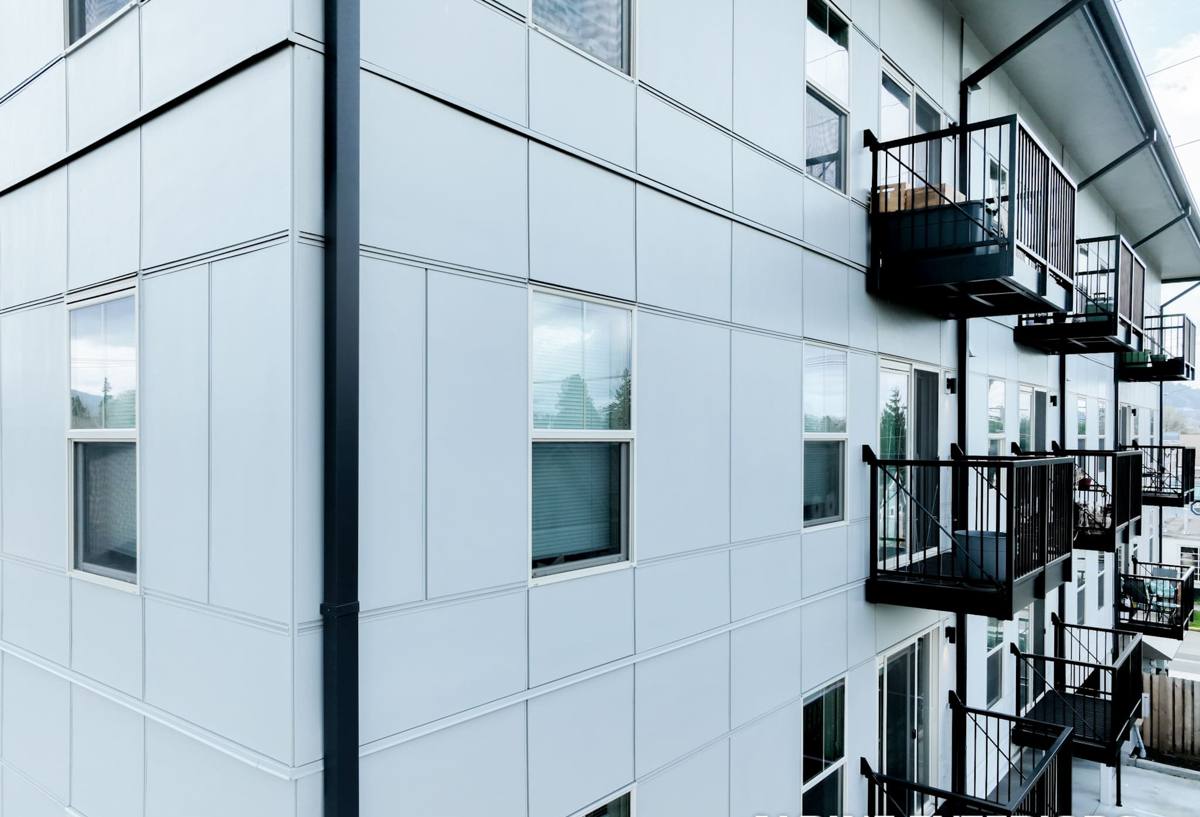
What Salt Air, Driving Rain, and Moss Actually Do to Siding
These three factors don't act alone — they compound each other, and understanding how helps explain why the details of an installation matter as much as the product choice itself.
Salt Air
Airborne salt from the bay settles on siding surfaces and works into any exposed fastener, seam, or field-applied finish. Over years it accelerates corrosion in the wrong hardware and breaks down paint films that aren't formulated to handle it, leading to chalking, fading, and premature touch-up work.
Driving Rain
Wind off the water doesn't just fall as rain — it drives it sideways and forces it up and under laps, trim, and penetrations that would stay dry in calmer conditions. A siding system depends on correct overlap, flashing, and drainage behind the cladding to handle that, not just a good-looking face.
Moss and Algae
Wooded, shaded lots stay damp longer after every rain, and Bellingham's long wet season gives moss and algae months to establish themselves on north-facing walls and anywhere sunlight and airflow are limited. Organic growth on a wall holds moisture against the surface, which shortens the life of anything underneath it that isn't moisture-stable.
Why We Install Only James Hardie Fiber Cement
Our crew installs one siding product on every job, in Edgemoor and everywhere else we work: James Hardie fiber cement. We don't install vinyl, LP SmartSide, cedar, primed spruce, or other fiber cement brands, and that's a deliberate standard rather than a limitation in what we're capable of installing.
Fiber cement is non-combustible and dimensionally stable in a way wood-based and engineered wood products aren't, which matters on lots with heavy tree cover and limited defensible space. Hardie's ColorPlus finish is baked on at the factory under controlled conditions, which holds up to salt air and UV exposure far better than field-applied paint that has to be reapplied on a maintenance schedule. Hardie also engineers specific product lines for different climate exposures, including a version built for the kind of wet, temperate weather Bellingham sees most of the year. Put together, that's why this is the one product we stand behind and the one we put on Edgemoor homes.
Getting the Installation Right for a Marine Climate
The product is only half the job. Fiber cement siding fails early almost exclusively because of installation mistakes, not because the material itself gave out — and in a marine climate those mistakes show up faster.
Weather-Resistive Barrier and Flashing
Every job starts with a continuous weather-resistive barrier behind the siding, with flashing integrated at every window, door, roof-to-wall intersection, and deck ledger. In a neighborhood taking direct wind off the bay, any gap in that drainage plane is where wind-driven rain finds its way in.
Fastening and Clearances
Hardie specifies fastener type, spacing, and penetration depth, and those specs exist for a reason — under-driven or over-driven nails, wrong fastener material, or skipped clearance at grade all shorten the life of the installation. We hold a minimum ground clearance and keep siding off of decks, patios, and roof lines by the margin the manufacturer requires, which also keeps moss and standing moisture away from the bottom edge of the wall.
Joints and Sealant
Caulk is not a substitute for correct flashing and lap technique — it's a secondary defense, and on a home taking regular wind-driven rain, over-reliance on sealant at butt joints is one of the more common shortcuts that causes callbacks a few years down the road. We detail joints so the water management works even if a bead of sealant eventually ages out.
Choosing the Right Product Line and Finish
Most Edgemoor homes call for HardiePlank lap siding, which gives the traditional horizontal look that fits both older and newer homes in the neighborhood. HardieShingle is a good option where a home's architecture calls for a more textured, traditional look, and HardiePanel works well for accent walls or modern designs. All of these are available in Hardie's ColorPlus factory finishes, which matters more here than in a dry inland climate — a factory-cured finish resists the fading and chalking that salt air and UV exposure cause faster on field-applied paint.
Color choice is worth thinking through on a wooded, waterfront lot. Darker colors read well against mature tree cover but absorb more heat and can show pollen and dust differently than lighter tones; lighter colors tend to hide salt residue and water spotting better on walls that face the bay directly. There's no universally right answer — it depends on the home's exposure and the look you're after — but it's worth discussing during the estimate rather than picking a swatch in isolation.
| Material | Salt Air / Moisture Resistance | Moss & Algae Resistance | Maintenance | Fire Rating |
|---|---|---|---|---|
| James Hardie Fiber Cement | Strong — factory finish, moisture-engineered core | Good, especially with periodic cleaning | Low | Non-combustible |
| Vinyl | Moderate — can warp or fade under sustained exposure | Moderate — seams and laps trap grime | Low to moderate | Combustible, can melt/deform near heat |
| Cedar / Wood | Weak without diligent upkeep | Poor in shaded, damp settings without treatment | High — regular sealing/painting required | Combustible |
| Engineered Wood (e.g. LP SmartSide) | Moderate — vulnerable at cut edges and joints if moisture intrudes | Moderate | Moderate | Combustible |
What Affects the Cost of a Fiber Cement Siding Job in Edgemoor
Every home is different, so we don't quote a number without seeing the property, but the same handful of factors drive the cost on most Edgemoor jobs.
| Factor | Why It Matters |
|---|---|
| Home size and wall complexity | More square footage and more corners, gables, and cutouts mean more material and labor |
| Removal and disposal of existing siding | Tear-off adds labor and disposal cost, and older walls sometimes reveal moisture damage that needs repair before new siding goes on |
| Site access and elevation | Sloped, wooded, and bluff-adjacent lots common in Edgemoor can require more staging and careful equipment placement |
| Trim and detail work | Corner boards, window and door trim, and custom details add labor beyond the flat wall area |
| Product line and finish | Lap profile, shingle style, and ColorPlus color selection each carry different material costs |
Our Process, Start to Finish
- On-site assessment of the existing wall assembly, drainage, and any moisture or rot issues hiding behind the current siding
- Written estimate covering product line, color, trim details, and a realistic timeline
- Removal of old siding and inspection/repair of sheathing before anything new goes on
- Installation of the weather-resistive barrier and flashing at every window, door, and penetration
- Hardie siding installed to manufacturer fastening and clearance specifications
- Trim, caulking, and touch-up work completed and inspected
- Final walkthrough and warranty registration with the homeowner
Caring for Fiber Cement Siding in This Climate
Fiber cement is low-maintenance compared to wood or vinyl, but "low-maintenance" isn't "no-maintenance," especially on a shaded, salt-exposed lot. A little attention keeps a correctly installed job looking right for decades.
- Rinse the siding periodically to clear salt residue and organic buildup, especially on walls facing the bay
- Keep tree branches and shrubs trimmed back from the walls to let sun and air reach shaded sides where moss takes hold
- Check caulking and trim joints once a year and have any gaps addressed before wet season sets in
- Keep gutters clear so overflow isn't running down the wall face
- Address moss or algae growth promptly rather than letting it establish and hold moisture against the surface
- Confirm ground clearance stays intact after any landscaping, mulch, or grading changes near the foundation
Why a Crew That Already Works Edgemoor Matters
Siding installation isn't identical from neighborhood to neighborhood, even within the same city. A crew that regularly works Edgemoor already understands how the wind comes off the bay, which walls stay wettest longest under the tree canopy, and how to stage a job safely on the sloped and wooded lots common here. That experience shows up in fewer surprises during the estimate and fewer callbacks after the job is done.
It also means familiarity with permitting and inspection expectations in Bellingham and Whatcom County, and a realistic sense of the weather windows that actually work for siding installation in this part of the Pacific Northwest, rather than a schedule built around a climate this neighborhood doesn't actually have.
If you're weighing a siding project on an Edgemoor home, we're happy to take a look and walk through what your home actually needs — no pressure, no hard sell. Request a free estimate below and we'll set up a time to come out.