 Bellingham Roofing
 Windows Built for Happy Valley's Weather, Not Just the Showroom
Happy Valley sits close enough to the water and the tree line that its homes take a specific kind of beating: salt-tinged air rolling in off the Salish Sea, long stretches of driving rain through fall and winter, and a moss season that seems to start earlier every year. None of that is unique to one street or one house — it's the baseline for this part of Whatcom County. Windows that were fine when a house was built in the 1970s or 1990s are often not fine now, because caulking dries out, wood sashes swell and shrink, and old aluminum frames were never great insulators to begin with.
This page is about one thing: custom window installation and replacement for homes in Happy Valley, done by a crew that already knows what this neighborhood's housing stock looks like and what its climate does to windows over time.
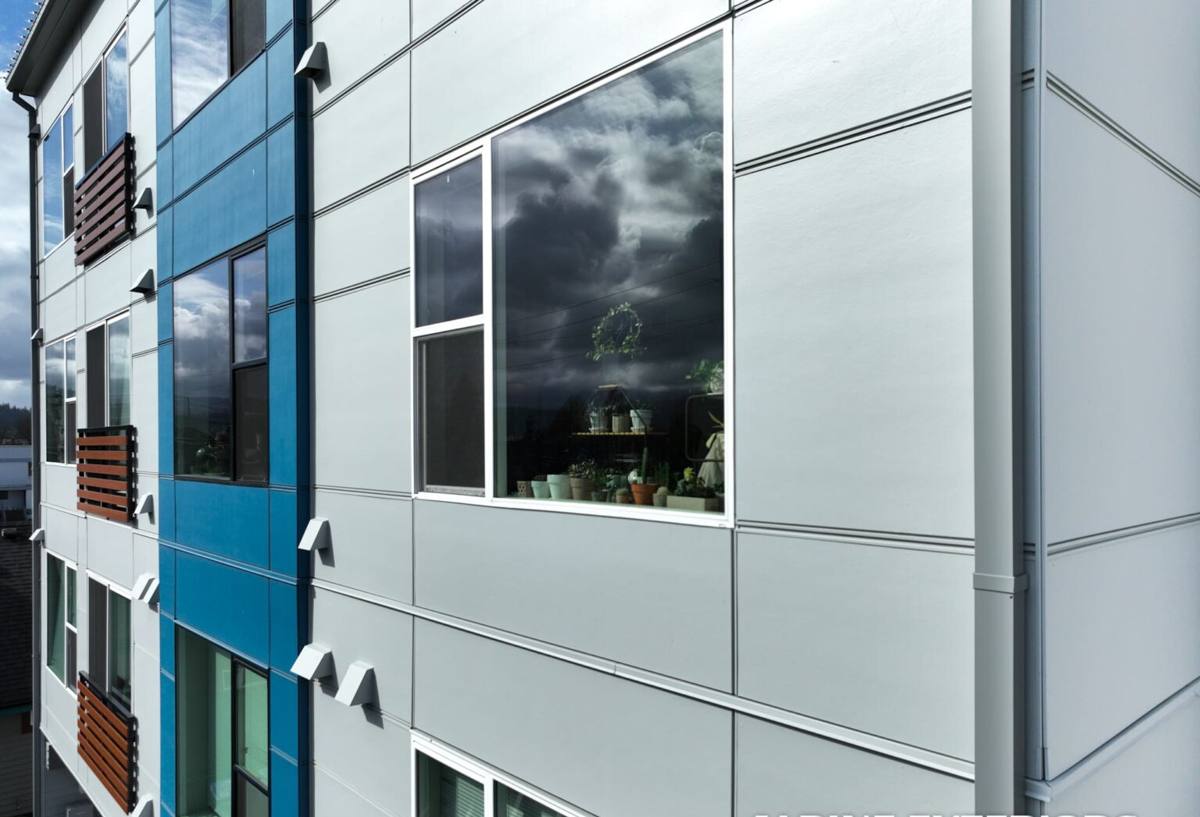
What Bellingham's Climate Actually Does to Windows
Moisture Is the Constant Enemy
Bellingham gets a lot of rain, but it's the type of rain that matters more than the total inches — long, low-intensity, wind-driven rain that finds its way into every gap and seam over hours, not minutes. Around Happy Valley, tree cover and hillside microclimates can keep siding and window trim damp for days after a storm passes. Wood-framed windows without proper flashing or maintenance are especially vulnerable to slow rot around the sill and bottom corners, which is usually where we find the first signs of failure.
Salt Air Speeds Up Corrosion
Proximity to Bellingham Bay means a steady low-level exposure to salt-laden air, even well inland from the shoreline. Salt air accelerates corrosion on metal hardware — hinges, locks, balance mechanisms, and older aluminum frames — faster than it would in a landlocked climate. It also degrades some sealants and finishes over time, which is why frame material and hardware quality matter more here than in drier regions.
Moss and Organic Growth
Bellingham's long, mild, wet season is ideal for moss and algae growth on any surface that stays damp and shaded — including window sills, trim, and the tracks of sliding windows. Beyond the cosmetic issue, trapped organic growth holds moisture against wood and vinyl surfaces, which shortens the life of caulking and can contribute to rot in wood components.
Signs a Happy Valley Home's Windows Need Attention
- Visible condensation or fogging between panes — a sign the seal on a double- or triple-pane unit has failed
- Soft or discolored wood at the sill or bottom corners of the frame
- Windows that are hard to open, close, or lock, especially after damp weather
- Noticeable draft or cold spot near the window even when it's fully closed
- Peeling paint or swelling on interior or exterior trim
- Persistent moss or black staining on the sill that returns shortly after cleaning
- A visible gap between the frame and the siding or trim
Any one of these on its own might just mean a repair or a re-caulk. Several at once, or on a window that's original to an older home, usually means it's time to talk about replacement rather than another patch job.
What a Correct Custom Window Installation Involves
"Custom" windows aren't necessarily fancier — it means the units are built or ordered to fit the actual opening and the specific performance needs of that wall, rather than pulled off a shelf in a standard size. For older Happy Valley homes with slightly out-of-square openings, or additions where the framing isn't quite standard, this is often the only way to get a window that actually seals properly.
A correct install, regardless of window brand or style, includes:
- Accurate measurement of the existing opening, including checking for square and level, not just width and height
- Removal of the old unit without damaging surrounding framing, siding, or interior trim
- Inspection of the framing and sill for rot or moisture damage before the new window goes in — this is where a lot of hidden problems get found
- Proper flashing and weather barrier integration so water is directed out and away from the wall assembly, not just caulked over
- Correct shimming and fastening so the window operates smoothly and doesn't bind or sag over time
- Insulation of the gap between the frame and the rough opening — done right, not overpacked, which can bow the frame
- Exterior sealing with a sealant rated for this climate, plus interior air-sealing
- Reinstallation or replacement of trim, and a final operation check on every window before we call it done
Skipping the flashing and weather-barrier step is the single most common shortcut we see behind failed installs in this area — the window itself can be excellent and still leak if it isn't tied into the wall correctly.
Choosing a Frame Material for This Climate
There's no single "best" window material for every home — it depends on budget, the home's style, and how much upkeep you want to take on. Here's how the common options hold up specifically against Bellingham's rain, salt air, and moss exposure:
| Frame Material | How It Handles This Climate | Maintenance |
|---|---|---|
| Vinyl | Doesn't rot or corrode; handles moisture well; can look less premium on older architectural styles | Low — occasional cleaning |
| Fiberglass | Very stable in wet, temperature-swinging conditions; strong resistance to warping and corrosion | Low |
| Wood | Classic look that suits many Bellingham homes; needs consistent upkeep to resist rot in this rainfall pattern | High — periodic painting/sealing |
| Wood-clad (wood interior, metal or vinyl exterior) | Combines interior warmth with better exterior weather resistance | Moderate |
| Aluminum | Prone to corrosion from salt air and to condensation without thermal breaks; we recommend it only in specific applications | Moderate to high |
For most Happy Valley homes we recommend vinyl or fiberglass for straightforward replacements, and wood or wood-clad where matching an existing architectural character is a priority and the owner is prepared for the added maintenance.
Glass and Performance Options Worth Understanding
Frame material gets most of the attention, but the glass package matters just as much for comfort and moisture control:
- Double-pane vs. triple-pane: Double-pane with a quality low-E coating is adequate for most Happy Valley homes. Triple-pane adds cost and weight but can be worth it for north-facing rooms, homes near louder streets, or owners prioritizing energy performance.
- Low-E coatings: Help control heat loss in winter and reduce UV fading on interior furnishings — a reasonable upgrade in most cases.
- Gas fill (argon/krypton): Improves insulation slightly; a minor upgrade rather than a must-have.
- Seal quality: This is what actually determines whether you get condensation between panes in five years. It's worth asking any contractor about the specific seal warranty on the units they're installing.
Our Process for Happy Valley Window Projects
- Walkthrough and assessment — we look at each window's condition, the surrounding siding and trim, and talk through your priorities: budget, style, energy performance, or matching an existing look.
- Measurement and product selection — accurate measurements and a straightforward walk through material and glass options based on your home and budget, without upselling features you don't need.
- Written estimate — a clear scope of work and price before anything is ordered.
- Installation — old units removed, framing checked and repaired if needed, new windows installed with proper flashing and sealing.
- Final walkthrough — every window operated and checked with you before we consider the job finished.
What Affects the Cost of a Window Project
| Factor | Why It Matters |
|---|---|
| Number and size of windows | Larger openings and whole-house projects have different economics than a single replacement |
| Frame material | Vinyl is typically the most budget-friendly; wood and wood-clad cost more |
| Glass package | Triple-pane and specialty coatings add cost over standard double-pane low-E |
| Condition of existing framing | Rot or moisture damage found during removal adds repair work before the new window can go in |
| Custom shapes or sizes | Non-standard openings require custom-built units rather than stock sizes |
| Trim and siding work | Matching or repairing exterior trim around the new window adds labor |
We won't quote a firm number without seeing the openings, but we're happy to give you an honest range and walk through what's driving the cost on your specific home.
Why Hire a Crew That Already Works in Happy Valley
A contractor who works this neighborhood regularly has already seen how its homes were built, what kind of framing and siding are common, and how the local weather pattern tends to expose weak points. That familiarity shows up in small but important ways — knowing to check specific areas for hidden rot, understanding how salt air affects hardware choices, and building in flashing details that hold up against Bellingham's rain rather than a drier climate's standard install.
It also matters for accountability. A local crew is easy to reach if a question comes up after the job, and has a reputation in the area worth protecting. When you're vetting anyone for exterior work on your home, ask directly about their experience with Whatcom County's climate and how they handle moisture protection around window openings — the answer will tell you a lot.
After Installation: Keeping New Windows Performing
- Wipe down sills and tracks periodically, especially after long wet stretches, to prevent moss and algae buildup
- Check exterior caulking annually and touch up any cracked or separated sections
- Keep nearby vegetation trimmed back so foliage doesn't hold moisture against the frame
- Operate each window a few times a year, even ones you rarely open, to keep hardware from seizing
- For wood or wood-clad frames, follow the manufacturer's repainting or resealing schedule — don't wait until finish failure is visible
Get a Straightforward Look at Your Windows
If your Happy Valley home has windows that are drafty, hard to operate, fogged between the panes, or just original to a house built decades ago, it's worth having them looked at before another wet season adds to the damage. We offer free, no-pressure estimates — we'll walk the exterior with you, give you an honest read on what each window needs, and lay out your options without pushing a product you don't need. Use the form below to get started.