 Bellingham Roofing
 Siding Repair Built for Lynden's Weather
Lynden sits inland from Bellingham Bay, but it shares the same weather pattern as the rest of Whatcom County: long stretches of steady rain, heavy cloud cover for much of the year, and a marine-influenced climate that keeps humidity high even when it isn't actively raining. That damp air moves inland off the bay and settles into the farmland and tree-lined neighborhoods around Lynden just as surely as it does closer to the water. Add mature trees, shaded lots, and a moss season that can run from fall through spring, and siding here works harder than siding in drier parts of the state.
Even good siding needs repair eventually. Caulk fails, trim boards take on moisture, panels get knocked loose by a ladder or a wind-thrown branch, and joints that were sealed tight when the house was built can open up years later. The question isn't whether Lynden siding will ever need attention — it's whether small problems get caught and fixed before they turn into rot, mold, or a full section of wall that needs replacing.
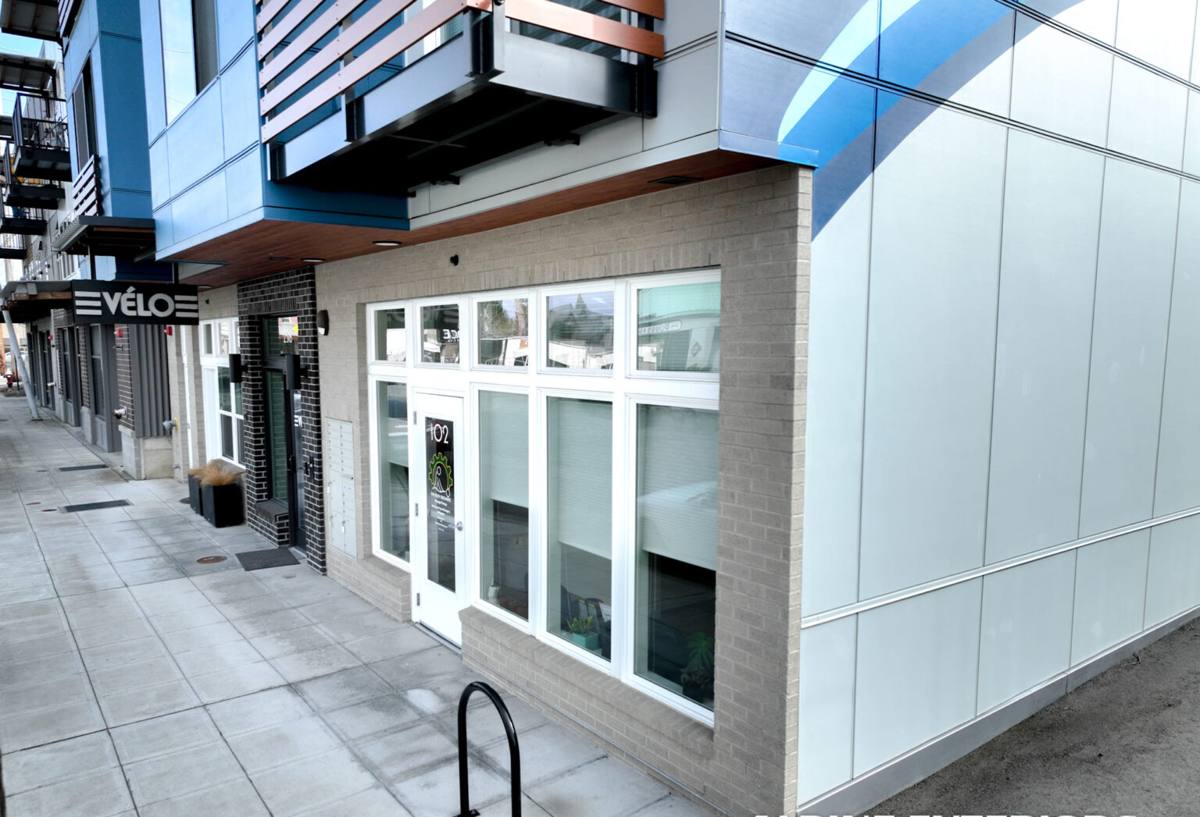
Common Siding Problems We See Around Lynden
Moisture and Moss at the Joints
Horizontal seams, corner boards, and anywhere two pieces of siding meet are the first places water finds a way in. Once caulking shrinks, cracks, or pulls away, moisture gets behind the siding instead of running off it. On shaded lots — common in Lynden's older residential streets and along tree lines bordering farmland — that trapped moisture combines with organic debris to grow moss and algae, which holds even more water against the wall.
Impact and Storm Damage
Winter windstorms are a regular part of life in Whatcom County, and Lynden gets its share of downed branches and wind-driven debris. Fiber cement resists impact far better than vinyl, but a hard enough hit can still crack a panel or knock a piece loose from its fasteners. Left alone, a cracked panel is an open door for water.
Caulk, Trim, and Fastener Failure
Sun exposure, temperature swings, and years of wet-dry cycles break down caulking and trim long before the siding itself fails. Nails and fasteners can also work loose as a house settles, leaving panels slightly proud of the wall — enough for wind-driven rain to get behind them during a hard storm.
Signs Your Siding Needs Repair, Not Just a Wash
Some of these problems are obvious from the ground. Others take a closer look. Before deciding a section of siding just needs cleaning, check for:
- Soft or spongy spots when you press on the siding near the bottom of walls or under windows
- Visible cracks, chips, or holes in individual panels
- Streaking, staining, or persistent moss and algae growth in the same spots year after year
- Gaps opening up at seams, corners, or where siding meets trim
- Peeling or bubbling paint, or finish that looks dull and chalky in patches
- Panels that flex, rattle, or feel loose when pushed
- Any sign of water staining on interior walls near an exterior wall
Any one of these can be an isolated, inexpensive fix. Ignored for a season or two, most of them become bigger repairs — or a replacement job.
Repair or Replace? How We Make That Call
Not every damaged section needs to come off the house. We look at how far the damage has spread, what's causing it, and how much of the wall is affected before recommending anything.
| Factor | Repair usually makes sense | Replacement usually makes sense |
|---|---|---|
| Damage extent | Isolated to one or two panels or a single wall section | Spread across multiple walls or the majority of one elevation |
| Underlying structure | Sheathing and framing are dry and sound | Rot has reached the sheathing or framing behind the siding |
| Cause | Impact damage, failed caulk, or a loose panel | Long-term moisture intrusion or widespread material failure |
| Age and material | Existing siding is James Hardie fiber cement in good condition elsewhere | Existing siding is a product we don't install, or is failing broadly |
| Cost over time | Repair cost is a small fraction of full replacement | Repeated repairs are adding up close to replacement cost |
We'll always tell you honestly which category your siding falls into. A targeted repair that solves the actual problem is the right call far more often than homeowners expect — but we won't recommend patching something that's going to fail again in a year.
Why We Only Repair With James Hardie Fiber Cement
We install and repair James Hardie fiber cement exclusively — we don't work with vinyl, LP SmartSide, Cemplank, Allura, or primed wood siding. That's a deliberate standard, not a limitation we work around. It matters most on repair jobs, where matching material and finish is everything.
Hardie's factory-applied ColorPlus finish is baked on under controlled conditions, which is part of why it holds color and resists fading far better than field-applied paint. When we repair or replace a damaged section, we can match that finish closely because we're working within one manufacturer's system — same product line, same color program, same installation specs. Mixing repair materials, or patching a non-Hardie product with whatever's available, almost always leaves a visible seam and a weak point that fails again.
Hardie's HZ5 product line is engineered specifically for climates like ours — freeze-thaw cycles, sustained moisture, and the kind of year-round dampness Whatcom County sees. Fiber cement doesn't rot, swell, or feed moss the way wood-based products can, and it holds up to the driving rain that comes through this region during winter storms. When we do recommend replacing a section rather than repairing it, this is the product we put on the wall — the same one we'd choose for our own homes.
Our Siding Repair Process
- Inspection. We look at the damaged area and the surrounding siding, checking for moisture intrusion behind the surface, not just what's visible.
- Diagnosis. We identify the actual cause — failed caulk, a fastener issue, impact damage, or something more serious like trapped moisture — so the fix addresses the problem, not just the symptom.
- Material and color match. For Hardie siding, we source matching panels and trim from the same product line and color program so the repair blends in rather than standing out.
- Repair or panel replacement. Damaged sections are removed and replaced to manufacturer spec, with correct fastening and clearances.
- Sealing and flashing. Seams, corners, and penetrations get properly sealed and flashed — the step most responsible for whether a repair lasts.
- Cleanup and walkthrough. We clean up the work area and walk you through what was done before we call the job finished.
Why a Crew That Already Works in Lynden Matters
Siding repair isn't complicated in theory, but doing it right depends on understanding how a specific house in a specific location is exposed to weather. A crew that already works throughout Whatcom County — not just Bellingham proper — knows how inland communities like Lynden differ from waterfront neighborhoods: less direct salt exposure, but just as much rain, heavier tree cover in places, and moss patterns that follow shade rather than proximity to the bay.
That local knowledge shows up in small but real ways: knowing which product lines and colors are already common on homes in the area, understanding Whatcom County permitting for exterior work, and being able to respond quickly if a storm knocks a panel loose rather than scheduling a repair weeks out. We'd rather be the contractor who already knows your neighborhood than one learning it for the first time on your roof.
Keeping Repaired Siding Ahead of Moss and Moisture
A good repair only stays good if the conditions that caused the original damage are addressed too. After we fix a section, a few habits go a long way toward making sure it's the last repair that spot needs:
- Keep gutters clear so water isn't overflowing and running down the siding face
- Trim back trees and shrubs so shaded walls get some airflow and sun exposure
- Rinse off moss and algae buildup before it spreads, rather than after it's established
- Check caulking at seams and trim every year or two, especially after a hard winter
- Walk the exterior after major windstorms to catch loose panels or debris damage early
Whatcom County's wet, moss-friendly climate isn't going away, but siding that's properly repaired and maintained handles it without much drama.
Get a Straight Answer on Your Siding
If you're seeing moss buildup, a cracked panel, or gaps opening up at the seams of your Lynden home, it's worth getting a professional opinion before the problem grows. We'll take a look, tell you honestly whether it's a repair or something bigger, and give you a free, no-pressure estimate — no obligation either way.