 Bellingham Roofing
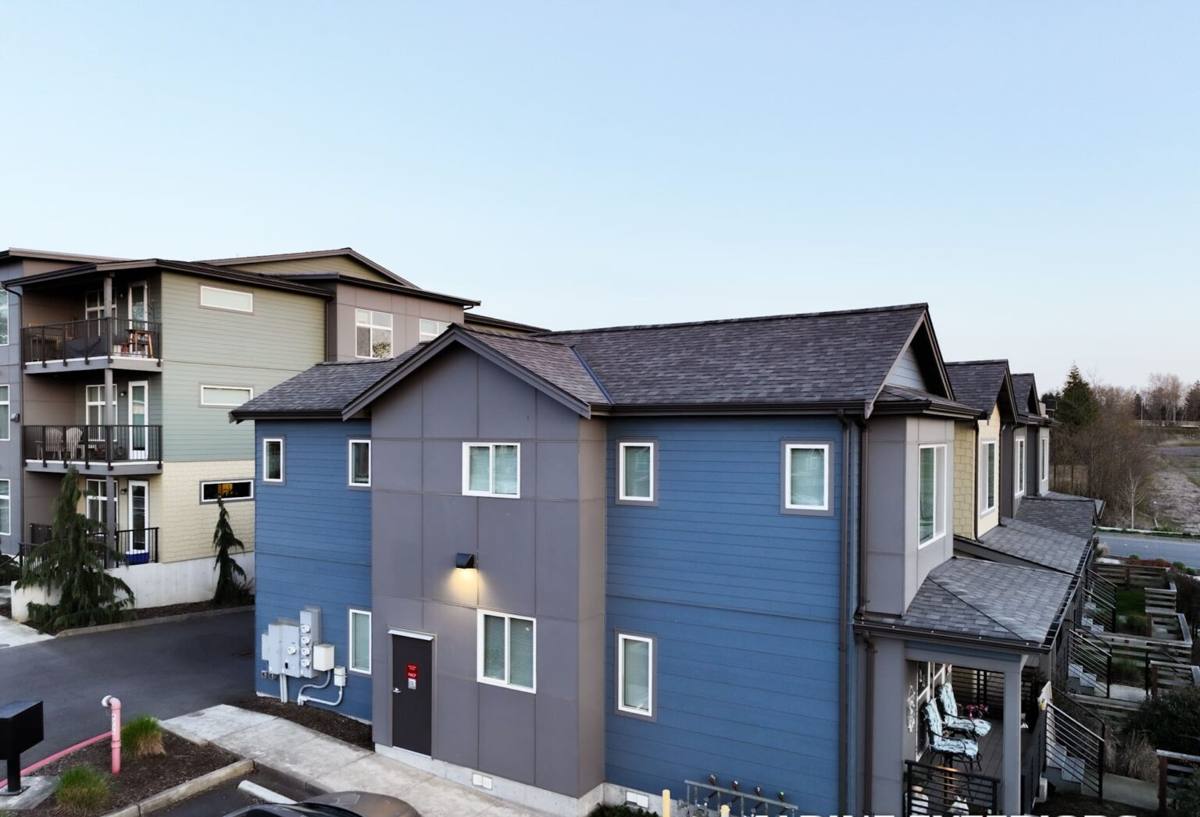
 New Windows Going Into a New Build in Silver Beach
If you're framing a new home or a major addition in Silver Beach, the windows are one of the few decisions on the job that you genuinely only get to make once. Once the siding, trim, and interior finishes go on around them, a poorly installed window stops being a punch-list item and becomes a wall problem. New-construction window work is a different trade than swapping out an old window in an existing opening, and it deserves to be treated that way from the framing stage forward, not bolted on as an afterthought once the shell is closed in.
Silver Beach sits in a part of Whatcom County that gets the full range of what Pacific Northwest weather can do to a house: long stretches of driving rain, salt-carrying air off the water, and a shaded, damp season every year that grows moss on anything that holds moisture. New windows installed correctly the first time shrug that off for decades. New windows installed with shortcuts — missing sill pans, taped-over flashing mistakes, sealant used in place of proper water management — tend to show their problems inside the wall, where nobody notices until there's already damage.
Why New-Construction Windows Are a Different Job Than Replacement
You Only Get One Shot at the Rough Opening
In a replacement job, we're working around finished siding and interior trim, and the window unit itself has to do most of the water-management work because we can't fully rebuild the opening. In new construction, the rough opening is still exposed. That's an advantage — but only if it's used correctly. Every layer that goes in before the window (the sheathing, the house wrap, the flashing tapes, the sill pan) gets buried the moment siding goes on. Get any one of those layers wrong on a new build, and there's no going back to fix it without tearing into finished walls later.
Sequencing Matters More Than the Window Itself
A high-quality window installed out of sequence with the house wrap and flashing will leak just as reliably as a cheap one installed correctly won't. New-construction installation is really a sequencing job: wrap first, sill pan next, window set and shimmed level and plumb, flashing integrated over the nailing fin in the right shingle-lap order, then head flashing tied back into the wrap above. Skip a step or do it out of order and the window itself is almost beside the point.
What Silver Beach's Climate Asks of a New Window Install
Salt Air and Coastal Moisture
Homes in this part of Whatcom County sit close enough to the water that salt-laden air is part of the equation, even for lots that aren't right on the shoreline. Salt air accelerates corrosion on fasteners, hardware, and unprotected metal flashing, and it holds moisture in the air longer than it would inland. That means fastener choice and flashing material matter more here than they would on a dry-side build, and it's worth specifying corrosion-resistant hardware up front rather than dealing with streaking or seized hardware a few years in.
Driving Rain, Not Just Rain
Bellingham-area storms don't just fall straight down — wind pushes rain sideways into wall assemblies, which is exactly the condition that exposes a weak flashing detail. A window that's watertight in a light, still rain can still take on water during a wind-driven storm if the flashing laps aren't sequenced correctly or the sill pan doesn't have anywhere for incidental water to drain back out. New construction gives us the chance to build for wind-driven rain from the start instead of patching for it later.
A Long Moss and Shade Season
Whatcom County's damp, shaded stretch of the year is hard on anything with a horizontal surface or a gap that traps organic debris — including window sills, trim, and the top of exterior casing. On a new build we can grade sills, choose trim details, and select finishes that shed water and debris rather than collecting it, which cuts down on the moss and grime buildup that otherwise creeps onto siding and windows every year.
What a Correct New-Construction Window Install Involves
The Parts Nobody Sees Once Siding Goes On
The work that actually determines whether a window performs for the next 20–30 years happens before the window is even set: a properly sloped sill pan so any water that gets past the window drains back outside instead of sitting on the sill, house wrap integrated so water sheds over each layer like shingles, and flashing tape applied in the correct order — sill, jambs, then head — so every layer overlaps the one below it.
Setting, Shimming, and Fastening
The window unit itself has to be set level, plumb, and square in the opening, shimmed at the right points so the frame doesn't rack or bind, and fastened per the manufacturer's schedule — not just "enough nails to hold it." A window that's slightly out of square will bind, leak at the corners, or fail early regardless of how good the flashing underneath it is.
Nailing Fin vs. Block Frame
Most new-construction residential windows use a nailing-fin frame, where a flange around the perimeter gets fastened to the sheathing and integrated into the wrap and flashing. Some builds — particularly masonry, stucco, or certain architectural details — call for a block-frame window that sets into a rough opening differently and relies on a different flashing approach entirely. Knowing which one your build calls for, and detailing it correctly, is a decision that needs to be made before the opening is even framed.
Comparing Frame Materials for a Silver Beach Build
There's no single "right" window material for every new build — it depends on budget, maintenance appetite, and how exposed the elevation is to wind and rain. Here's how the common options stack up for this climate:
| Frame Material | Moisture & Coastal Air Resistance | Maintenance | Typical Lifespan |
|---|---|---|---|
| Vinyl | Good — won't corrode or rot, but can flex in temperature swings | Low — occasional cleaning | 20–30 years |
| Fiberglass | Very good — dimensionally stable, handles moisture and salt air well | Low | 30–40+ years |
| Wood (unclad) | Poor without diligent upkeep — most vulnerable to this climate | High — regular painting/sealing required | Varies widely with maintenance |
| Wood-clad (exterior clad, wood interior) | Good on the exterior face if cladding and flashing are correct | Moderate — interior wood, exterior mostly maintenance-free | 25–35 years |
| Aluminum | Fair — needs a thermal break and corrosion-resistant finish near salt air | Low | 20–30 years |
For most new builds in Silver Beach, the deciding factor isn't which material is "best" in the abstract — it's how exposed a given elevation is, what the budget allows, and what long-term maintenance the homeowner actually wants to take on. We'll walk through the trade-offs against your specific plans rather than pushing one option across the board.
Our Process for New-Construction Window Installs
- Plan review and window schedule check — we confirm rough opening sizes, frame type (nailing fin vs. block), and flashing details against the actual wall assembly before anything is ordered.
- Coordination with the framer and siding crew — window installation has to land at the right point in the build sequence, after wrap and before siding, and we coordinate timing so nothing sits exposed longer than it needs to.
- Sill pan and flashing installation — sloped sill pans and correctly lapped flashing tape go in before the window is ever set.
- Setting and fastening — each unit is shimmed level, plumb, and square, then fastened to the manufacturer's schedule.
- Head flashing and wrap integration — flashing above the window ties back into the house wrap so water sheds over every layer below it.
- Final check before cover-up — we inspect every opening before siding closes it in, because that's the last point anyone can catch a mistake without tearing into finished walls.
Mistakes We Watch For on New Builds
Most window failures we get called out to inspect trace back to a small handful of repeat mistakes made during the original build. On new construction, we check for these before cover-up:
- Flashing taped in the wrong order (head flashing under the wrap instead of over it)
- No sill pan, or a sill pan that isn't sloped to drain back outside
- Sealant used to compensate for a flashing detail that was skipped or done out of sequence
- Windows fastened without shimming, leaving the frame slightly racked
- House wrap cut too tight around the opening with no flap to lap over the flashing
- Fasteners that aren't corrosion-resistant, left exposed to salt-laden coastal air
- Wrong frame type ordered for the wall assembly (block frame where fin was needed, or vice versa)
Why It Matters to Hire a Crew That Already Works Silver Beach
Building code minimums for water management are the same everywhere in the state, but how tight those minimums need to be run depends on how exposed a given lot actually is — how much wind-driven rain a particular elevation takes, how much shade keeps a wall assembly damp longer into the season, how much salt exposure the site sees. A crew that's already worked homes in this part of Whatcom County has seen how these details actually perform over years, not just on installation day, and builds in the margin that this climate rewards rather than the bare minimum that a drier region might get away with.
After the Windows Are In
New-construction windows installed correctly need very little upkeep, but a few habits keep them performing for the long haul: keep gutters and downspouts clear so water isn't sheeting down past the head flashing, clean sills periodically during moss season so debris doesn't hold moisture against the frame, and have caulking and exterior sealant joints checked every few years as part of general exterior maintenance — not as a substitute for the flashing work done during the build, but as the light touch-up that keeps a correctly built assembly correct.
If you're planning a new build or addition in Silver Beach and want windows detailed correctly from the framing stage on, we're happy to walk your plans and give you a straightforward, no-pressure estimate — just fill out the form below.