 Bellingham Roofing
 Windows Built for the Puget Area's Weather, Not Just the Showroom
Homes in the Puget area of Bellingham sit close enough to the water and the tree line that windows take a beating most manufacturers never test for. Salt-tinged air moves in off the Sound, driving rain comes sideways more often than straight down, and a long gray moss season keeps everything damp for months at a time. A window that looks fine in a catalog photo can still fail here in five years if it wasn't chosen and installed with this specific climate in mind. That's the gap we fill: not just selling a window, but matching the product and the installation method to what a Bellingham winter actually does to a house.
This page is about one thing — custom window installation and replacement for homes in and around the Puget neighborhood of Bellingham, in Whatcom County. If you're comparing windows for a coastal-adjacent home, here's what actually matters.
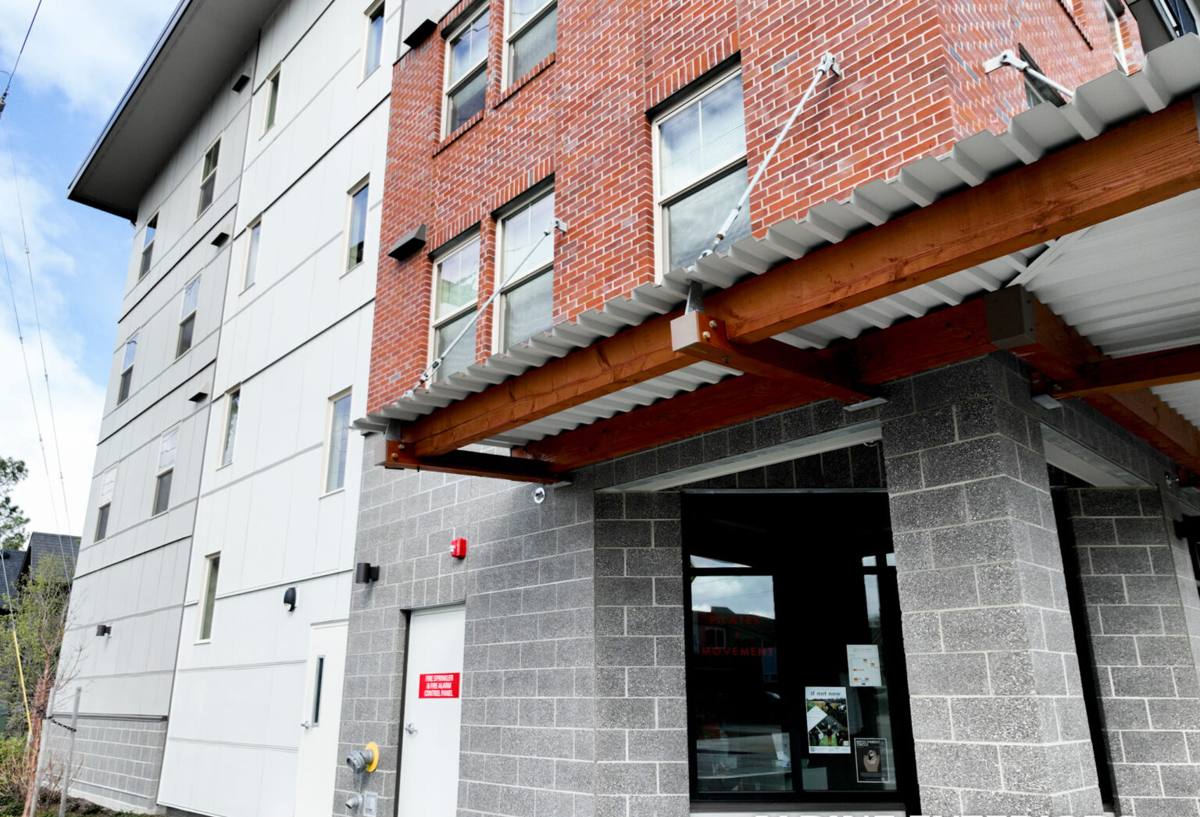
What "Custom" Should Mean on a Puget-Area Home
"Custom" gets used loosely in this trade. For us it means the window is built to your rough opening and your home's specific exposure, not pulled from a stock size chart and shimmed to fit. On older Puget-area homes especially, openings are rarely perfectly square after decades of settling, moisture cycling, and prior repairs. A true custom window accounts for that instead of forcing a standard unit into a slightly-wrong hole and caulking over the gaps.
Where Custom Sizing Matters Most Locally
- Older single-pane openings that were never re-squared when the house settled
- Bay, bow, or angled window arrangements where even a small size error compounds across units
- Homes with add-on rooms, converted porches, or additions where framing wasn't done to modern spec
- Any opening showing signs of past water intrusion — these often need more than a straight swap
What Bellingham's Climate Actually Does to Windows
Three things drive most of the window problems we see in this part of Whatcom County, and they compound each other.
Salt Air and Metal Fatigue
Homes closer to the water deal with airborne salt that slowly attacks unprotected metal hardware, aluminum frames without a marine-grade finish, and fasteners that weren't rated for a coastal environment. The failure is usually slow and quiet — a lock that starts sticking, a hinge that develops corrosion streaks, a frame that pits at the joints — until one day the window won't seal properly anymore.
Driving, Sideways Rain
Bellingham rain doesn't just fall, it gets pushed. Wind off the Sound drives water horizontally into wall assemblies, which means flashing details and sill pans matter as much as the window unit itself. A great window installed with a mediocre water management plan will still leak — usually not on day one, but two or three winters in, once the sealant has had time to fatigue and move.
Moss, Shade, and Moisture Retention
Tree cover and a long damp season mean moss and algae get a foothold on anything that stays wet — window sills, lower frame rails, and the wood trim around older units. Beyond the cosmetic issue, sustained moisture against wood trim or an under-sealed frame is exactly what leads to rot and eventual frame failure. Homes with more shade and tree cover need more attention to drainage and material choice, not less.
Choosing Materials for This Environment
There's no single "best" window material — there's a best fit for your home's exposure, budget, and maintenance appetite. Here's how the common options actually perform in a Bellingham coastal-adjacent setting.
| Material | Coastal / Moisture Performance | Maintenance | Best Fit |
|---|---|---|---|
| Vinyl | Good — won't corrode or rot, handles moisture well | Low | Most Puget-area homes, especially budget-conscious replacements |
| Fiberglass | Very good — dimensionally stable, resists moisture and salt exposure well | Low | Homes closer to the water or with heavy sun/rain cycling |
| Wood (clad or unclad) | Best appearance, but vulnerable if seals or finish aren't kept up in a wet climate | High | Historic or architecturally sensitive homes where appearance is the priority |
| Aluminum | Prone to corrosion near salt air unless marine-rated and properly finished | Moderate | Specific architectural applications, used selectively |
We don't push one material on every job. If you want the look of wood, we'll be honest about the upkeep it needs in this climate. If low maintenance is the priority, vinyl or fiberglass will usually serve you better long-term than a material that needs yearly attention to hold up against salt air and rain.
Why the Installation Matters More Than the Brand
Most window failures we get called out to inspect aren't product failures — they're installation failures. A quality window installed without proper flashing, a sloped sill pan, and correctly sequenced weather-resistive barrier will leak eventually, no matter what brand is stamped on the frame. This is the part of the job that doesn't show up in a showroom and doesn't get photographed for a brochure, but it's the actual difference between a window that lasts fifteen years and one that lasts three.
What Correct Installation Includes
- Removing old units carefully to inspect the framing and sill underneath before anything new goes in
- Repairing or replacing any rotted or water-damaged framing found during removal — not covering it up
- Installing a sloped sill pan so any water that gets past the window drains out, not in
- Integrating flashing correctly with the existing weather-resistive barrier, shingle-style, so water sheds outward at every layer
- Sealing and insulating the gap between the window unit and the rough opening properly, not just with a bead of caulk at the trim
- Confirming the unit is level, plumb, and square before final fastening — a slightly racked window stresses seals immediately
Our Process for Puget-Area Window Jobs
1. On-Site Assessment
We look at each opening individually — not just the glass, but the trim, sill, and any signs of past water intrusion. On a coastal-adjacent home, what's happening behind the window often matters more than what's visible from inside.
2. Honest Material and Product Discussion
We'll walk through the trade-offs above in the context of your specific home — sun exposure, tree cover, proximity to water, and how much upkeep you actually want to take on. No upselling to the most expensive option if it's not the right fit.
3. Custom Measurement and Order
Openings are measured precisely, including any out-of-square conditions, so the unit ordered fits the actual opening rather than a nominal size.
4. Removal and Framing Inspection
Old units come out carefully so we can inspect the framing underneath. If there's rot or moisture damage, we address it before the new window ever goes in — installing a new window over a compromised sill just hides the problem for a few more years.
5. Installation with Full Water Management
Sill pan, flashing integration, insulation, and sealing are done to spec, not shortcut. This is the step that determines whether the window holds up through a decade of Bellingham winters.
6. Final Check and Walkthrough
We confirm operation, seal integrity, and finish work, and walk you through anything you should watch for or maintain going forward.
Signs Your Puget-Area Home May Need Window Attention
- Condensation forming between panes, which usually means a failed seal on a double- or triple-pane unit
- Drafts you can feel near the frame even with the window fully closed and locked
- Soft or discolored trim or sill wood, especially on north- or shade-facing windows
- Visible moss or persistent green staining on sills or lower frames
- Windows that have become difficult to open, close, or lock — often an early sign of frame or hardware corrosion
- Noticeably higher heating bills without another clear cause
Cost Factors Worth Understanding Upfront
We don't quote firm prices without seeing the actual openings, but these are the factors that move a project's cost up or down, so you can budget realistically.
| Factor | Impact on Cost |
|---|---|
| Standard vs. custom/non-standard sizing | Custom shapes or out-of-square openings cost more to measure, order, and install correctly |
| Material choice (vinyl, fiberglass, wood) | Wood and fiberglass typically run higher than vinyl; performance and appearance trade-offs apply |
| Framing repair needed at removal | Rot or water damage found behind old units adds labor and material before the new window goes in |
| Number and size of openings | Larger jobs typically bring a better per-unit rate but a higher total project cost |
| Access and site conditions | Upper stories, tight landscaping, or difficult access can add labor time |
Why a Local Crew Matters for This Job
A crew that already works Puget-area homes has seen how this specific stretch of Bellingham weather ages a window — which exposures fail first, which trim details hold up and which don't, and where past builders in this area tended to cut corners on flashing. That's not something you get from a national installer rotating through on a regional route. It also means we're a short trip away if something needs a follow-up look after a storm, not a call center routing you to whoever's available next.
If you're weighing options for windows on a Puget-area home, we're happy to take a look and give you a straight assessment — no pressure, no upsell. Use the form below to request a free estimate.