 Bellingham Roofing
 Windows Built for Puget's Weather, Not Just Any Weather
Puget sits close enough to the water that salt air is part of daily life on your home's exterior. Add Whatcom County's long wet season, driving rain that comes in sideways off the Sound, and months of shade and moss growth every year, and you've got one of the tougher environments in the state for windows. A window that would be fine in a drier inland climate can fail here in a fraction of the time if it wasn't installed with this specific combination of conditions in mind.
Window installation isn't just about the unit itself. The frame material, the flashing detail behind it, the sealants used, and how the rough opening was prepped all determine whether that window is still performing well in ten or fifteen years, or whether it's letting moisture into your wall cavity by year three. That's the part homeowners rarely see, and it's the part that matters most in a climate like ours.
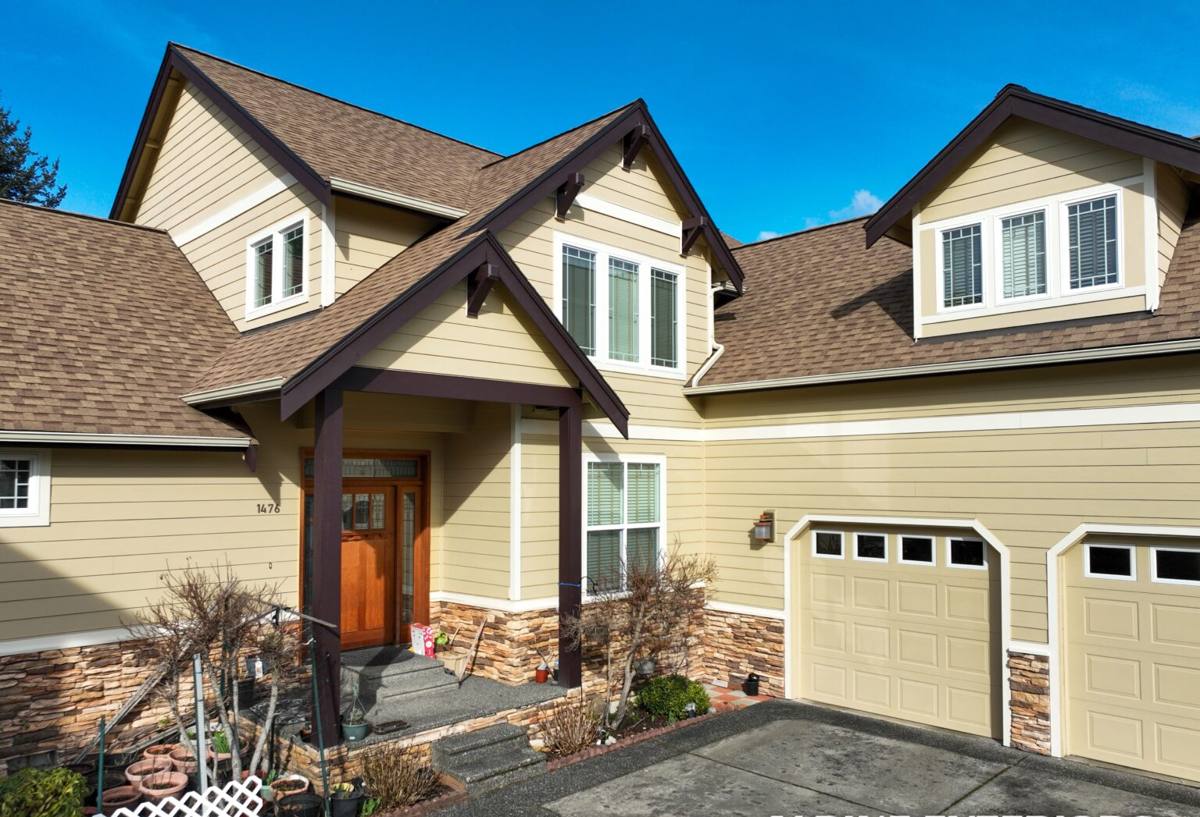
What Salt Air, Rain, and Moss Actually Do to Windows
Each of these factors attacks a window installation differently, and understanding the failure mode helps explain why the installation details matter as much as the product you choose.
Salt Air
Airborne salt accelerates corrosion on hardware, fasteners, and lower-grade metal components. It also breaks down some finishes and coatings faster than a standard warranty test anticipates, since most manufacturer testing isn't done in a coastal-adjacent environment.
Driving Rain
Wind-driven rain doesn't just fall on a window, it gets pushed sideways and upward against the frame and sill under pressure. If the flashing and drainage path behind the window weren't installed correctly, this is exactly the kind of weather that finds the gap and pushes water into the wall assembly.
Moss and Shade
Extended damp, shaded conditions keep moisture sitting against wood trim, sills, and siding longer than in sunnier climates. Combined with moss growth, this creates a slow, steady moisture load on anything around the window opening that isn't sealed and flashed properly.
Signs a Puget Home's Windows Need Attention
Because moisture problems around windows develop slowly, many homeowners don't notice until there's visible damage. These are the warning signs worth checking for:
- Soft or discolored trim or sill wood around the window frame
- Fogging or a visible film between panes on double-pane units, meaning the seal has failed
- Drafts you can feel near the frame even when the window is fully latched
- Difficulty opening, closing, or locking a window that used to operate smoothly
- Visible gaps, cracked caulk, or peeling paint at the exterior trim line
- Musty smell or slight staining on interior drywall near a window, especially on north or west-facing walls
- Moss or dark streaking building up on the sill or exterior casing
Any one of these on its own might be minor. Several together, especially on a home's more weather-exposed side, usually means it's time for a real inspection rather than another round of caulk.
What a Correct Window Installation Actually Involves
A window installation done right in this climate has several steps that don't skip, even though they add time to the job.
Removal and Opening Inspection
Once the old window is out, we check the rough opening for rot, moisture staining, or previous water intrusion before anything new goes in. Installing a new window over a compromised opening just hides the problem for a few more years.
Flashing and Drainage Path
This is the single most important part of the job for a wet, wind-exposed climate. Proper flashing directs any water that gets past the exterior cladding back out, rather than letting it pool at the sill or behind the frame. This includes sill pan flashing, side flashing that laps correctly with the water-resistive barrier, and head flashing that sheds water outward.
Sealing and Insulation
Low-expansion foam or backer rod and sealant around the frame perimeter closes air gaps without bowing the frame out of square. We use exterior-grade sealants rated for the temperature swings and UV exposure our windows actually see.
Finish and Trim
Exterior trim gets sealed and, where wood is used, primed and painted on all sides, including cut ends, since end grain is where moisture gets in fastest. Interior trim is reset or replaced to match the original finish.
Choosing Window Materials for a Salt Air, Wet Climate
Material choice affects how well a window holds up to Puget's specific mix of salt, rain, and shade over the long term. Here's an honest comparison of the main options:
| Material | Salt Air Resistance | Maintenance | Typical Lifespan Here |
|---|---|---|---|
| Vinyl | Good — won't corrode or rust | Low, occasional cleaning | 20-30 years |
| Fiberglass | Very good — dimensionally stable, resists warping | Low | 30-40 years |
| Aluminum | Fair — needs marine-grade coatings to avoid pitting | Moderate, watch for corrosion at hardware | 20-30 years with good coatings |
| Wood / Wood-Clad | Fair — exposed wood is vulnerable to prolonged damp | Higher, needs regular repainting or refinishing | 15-25 years without diligent upkeep |
We don't push one material on every homeowner. A wood-clad window can look great and perform well if it's on a covered, protected elevation and the owner is committed to maintaining the finish. On a home's water-facing or shaded side, vinyl or fiberglass is usually the more practical call simply because it removes an entire category of maintenance and moisture risk. This is a judgment call we walk through with you at the estimate, based on the specific elevation and exposure of each window opening, not a blanket rule.
How Our Process Works
Site Visit and Measurement
We look at each window opening individually, not just the home as a whole. Exposure varies a lot from one side of a house to another, especially with wind direction and shade patterns, so recommendations can differ window to window.
Quote and Material Selection
You get a clear, itemized quote before any work starts, with material options explained in plain terms so you understand what you're paying for and why.
Ordering and Lead Times
Custom-sized windows take time to manufacture. We give you a realistic timeline upfront rather than a guess, and we'll flag it early if a delay comes up.
Installation Day
We work one opening at a time to keep your home weathertight throughout the job, rather than pulling multiple windows at once and leaving large openings exposed to Whatcom County weather overnight.
Cleanup and Walkthrough
We walk every finished window with you, check operation, and confirm the exterior finish work before we consider the job done.
Why a Crew That Already Works in Puget Makes a Difference
A contractor who regularly works homes in and around Puget already knows which elevations tend to take the brunt of driving rain, where moss builds up fastest, and what kind of flashing detail actually holds up here versus what looks fine on paper. That local pattern recognition matters when you're deciding on material, sill detail, or whether an opening needs extra attention beyond a standard install.
It also means familiarity with Bellingham and Whatcom County permitting requirements, typical construction in this area's housing stock, and the kind of moisture issues that show up specifically in homes exposed to Puget Sound conditions, rather than generic advice that doesn't account for our climate.
Maintaining Your Windows After Installation
A correct installation gets you most of the way, but a little upkeep extends the life of any window here:
- Rinse salt residue off exterior frames and glass periodically, especially after storms with onshore wind
- Keep moss and debris cleared from sills and tracks so water can drain freely
- Check exterior caulk lines once a year for cracking or gaps and have them resealed if needed
- Operate every window a few times a season so hardware and weatherstripping don't seize or compress unevenly
- Repaint or refinish wood trim on the schedule your finish requires, not just when it looks worn
What Affects the Cost of Window Installation Here
Every home is different, but these are the main factors that move the price up or down:
| Factor | Why It Matters |
|---|---|
| Number of windows | Per-window cost typically drops with larger orders due to shared labor and setup |
| Material chosen | Vinyl, fiberglass, aluminum, and wood-clad all carry different unit costs |
| Window size and style | Larger units, custom shapes, or operable styles like casement cost more than standard sliders |
| Condition of the existing opening | Rot repair or reframing adds labor beyond a standard swap |
| Access and elevation | Second-story or hard-to-reach openings take more time and equipment |
| Trim and finish work | Full trim replacement or custom paint-matching adds to the scope |
We give you real numbers for your specific home rather than a generic per-window rate, since the condition of your existing openings can matter as much as the windows themselves.
If your windows are showing wear, drafting, or fogging, or you're just planning ahead for Puget's next wet season, we're happy to take a look and put together a straightforward, no-pressure estimate. Use the form below to get started.