 Bellingham Roofing
 Why Siding Wears Differently in Sehome
Sehome sits close enough to Bellingham Bay that salt-laden air is a constant, low-level presence on every exterior surface in the neighborhood, and it's compounded by the shade and moisture that come with a hilly, tree-covered part of town. Homes near Sehome Hill and the streets that climb toward Western Washington University deal with a specific combination: wind-driven rain off the Salish Sea, long stretches of shade from mature evergreens, and a moss and algae season that can run nine months or longer in a typical Whatcom County year. None of that is unique to Sehome by itself, but the combination — coastal moisture plus heavy tree cover plus older housing stock — is what makes siding age faster here than it would in a drier, more open part of the county.
Siding replacement in this kind of environment isn't just a cosmetic project. It's the point where you either correct the moisture and ventilation problems that caused the last siding to fail, or you re-cover them and buy yourself another decade before the same issues resurface.
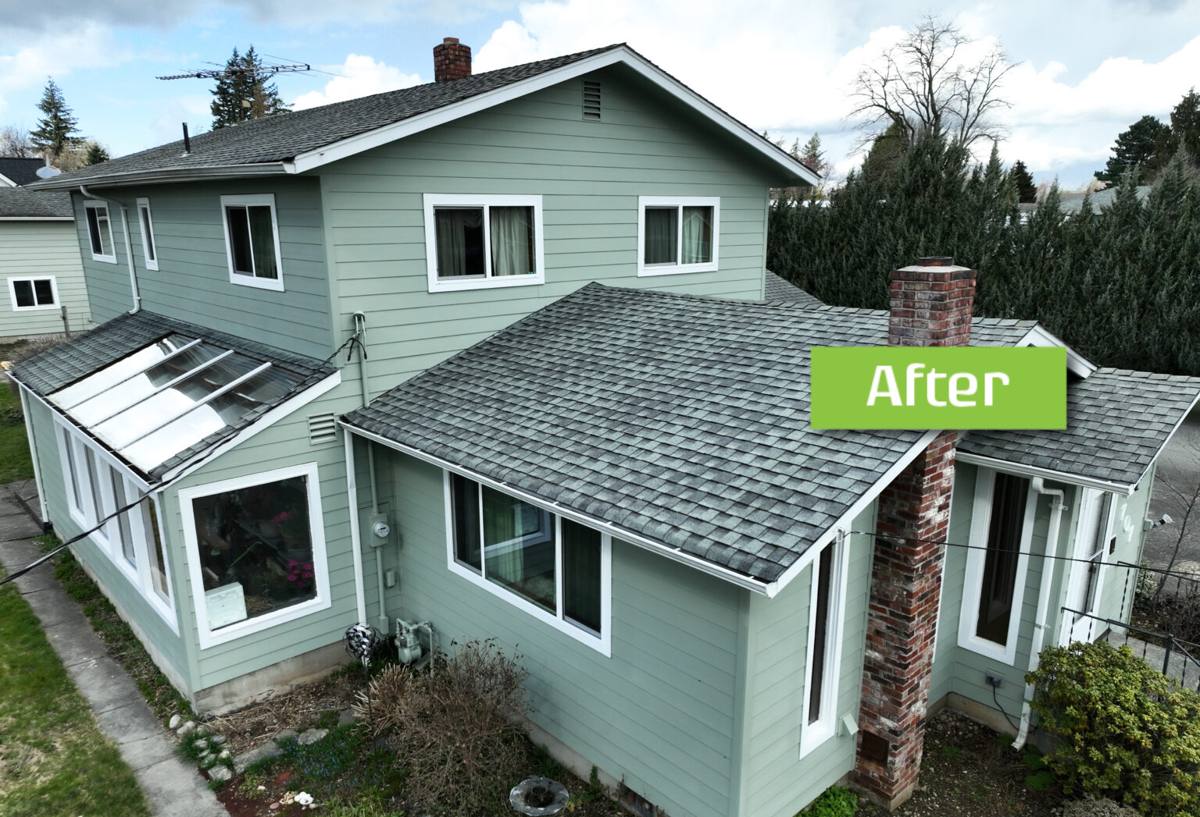
Signs a Sehome Home Actually Needs Replacement, Not Repair
Not every siding problem calls for a full tear-off. But in a climate this wet, some signs mean the assembly behind the siding has already been compromised, and patching the surface won't fix what's happening underneath.
- Soft or spongy spots when you press on the siding, especially near the bottom courses and around window trim
- Paint that keeps failing within a year or two of repainting, even after prep work
- Persistent black or green streaking that comes back within a season of cleaning
- Visible gaps, warping, or delamination at panel seams and corners
- Musty odors or moisture staining on interior walls that back up to exterior siding
- Siding that's original to a home built more than 25-30 years ago, especially wood-based products
If you're only seeing surface-level moss or dirt on siding that's otherwise flat, tight, and sound, that's a cleaning and maintenance issue, not a replacement issue. The distinction matters, and a straightforward inspection is the fastest way to know which situation you're actually in.
Why Older Siding Struggles in This Neighborhood
Salt Air and Fastener Corrosion
Airborne salt from Bellingham Bay accelerates corrosion on anything metal — nails, staples, flashing, and trim fasteners. When those fasteners weaken, siding panels loosen, gaps open up, and water starts finding its way behind the cladding instead of running off the front of it. This is a slow process, which is exactly why it tends to get discovered late, once the damage is already behind the wall.
Shade, Moisture, and Moss
Sehome's tree cover keeps a lot of siding from ever fully drying out between rain events. Wood-based and wood-composite products are the most vulnerable here, because sustained moisture is what triggers rot, swelling, and the fungal growth that shows up as moss and algae staining. Fiber cement doesn't feed mold or moss the way wood-based products can, but even fiber cement needs proper ventilation behind it and correct caulking and flashing to perform well in a shaded, damp yard.
Driving Rain and Water Management
Storms moving in off the water tend to hit siding at an angle rather than straight down, which pushes water up under laps, around trim, and into any gap that wouldn't normally be a problem in a calmer climate. That's why water-resistive barrier installation, flashing details, and correct lap and overlap dimensions matter more here than they would in a drier region — the margin for error is smaller.
What a Correct Siding Replacement Involves
Tear-Off and Inspection
Full replacement starts with removing the old siding down to the sheathing so the wall can actually be inspected, not guessed at. This is when rot, soft sheathing, and old moisture damage get found and addressed — problems that a re-side over existing siding would simply seal back in.
Water-Resistive Barrier and Flashing
A new weather-resistive barrier gets installed correctly lapped, and flashing goes in around every window, door, and penetration. In a driving-rain climate, this layer is arguably more important to long-term performance than the siding itself — it's the backup system that keeps a home dry even if water does get past the cladding.
Installing to Manufacturer Spec
Fiber cement siding has specific requirements for fastener type and placement, clearances from grade and roof lines, caulking at joints, and gaps for expansion. Skipping or shortcutting these details is the single biggest reason siding fails early, regardless of how good the product itself is.
Trim, Caulking, and Finish
The last stage is trim work and finish detailing — the parts that determine both how the home looks and how well water sheds away from vulnerable seams. In a neighborhood like Sehome, tight, well-caulked trim around windows and doors is where a lot of long-term moisture problems either get prevented or get built in.
Why We Install Only James Hardie Fiber Cement
We standardized on James Hardie fiber cement siding and don't install vinyl, LP SmartSide, Cemplank, Allura, primed spruce, or cedar. That's not a marketing position — it's a decision based on what holds up in Pacific Northwest coastal conditions with the least maintenance and the fewest callbacks.
Fiber cement is non-combustible, doesn't feed rot or insect damage the way wood-based products can, and Hardie's ColorPlus factory finish is baked on under controlled conditions rather than field-painted, which matters a great deal in a climate where paint failure on other materials is common. Hardie's HZ5 product line is engineered specifically for climates with significant moisture exposure, which describes Whatcom County well. The warranty is also transferable, which matters to homeowners who may sell within the siding's service life. None of this means other products are without merit — it means that for the moisture and salt-air conditions we install in every day, this is the material we're willing to put our name behind.
Comparing Siding Options for a Sehome Climate
| Factor | James Hardie Fiber Cement | Vinyl | Wood / Wood-Composite |
|---|---|---|---|
| Moisture resistance | Engineered for wet climates (HZ5 line); doesn't rot | Won't rot, but can trap moisture behind panels | Absorbs moisture; prone to rot if exposed |
| Moss and algae resistance | Non-organic surface; won't feed growth | Resists growth but can stain and hold grime in seams | Organic material; most susceptible to moss and fungal staining |
| Salt air durability | Strong; factory finish resists chalking and fading | Can become brittle and discolored over time | Finish breaks down faster; needs frequent recoating |
| Fire resistance | Non-combustible | Combustible | Combustible |
| Typical maintenance | Occasional washing; repainting only if desired | Low, but cracks and fading aren't repairable in place | Regular painting/staining and moisture monitoring |
| Warranty structure | Long-term, transferable | Varies widely by manufacturer and grade | Varies; often shorter on finish |
Our Process for a Sehome Siding Replacement
- On-site inspection of existing siding, trim, and any visible moisture or rot issues
- Written scope and product plan, including the specific Hardie profile and color
- Full tear-off, sheathing inspection, and any structural repairs needed before new siding goes on
- Installation of water-resistive barrier, flashing, and Hardie siding to manufacturer spec
- Trim, caulking, and finish detailing
- Final walkthrough so you can see the completed work and ask questions before we consider the job done
Cost Factors for Siding Replacement in Sehome
Every project prices out differently, but the same handful of factors drive most of the variation we see on homes in this neighborhood:
| Factor | Why It Matters |
|---|---|
| Square footage and home shape | More corners, dormers, and trim detail mean more labor and cut waste |
| Condition of the sheathing underneath | Rot or moisture damage found during tear-off adds repair scope |
| Access and lot slope | Hillside lots common in Sehome can affect staging and scaffolding needs |
| Siding profile and trim complexity | Lap width, trim style, and accent details affect material and labor |
| Existing siding removal | Some materials remove faster and cleaner than others |
We walk every project in person before giving a number, because guessing at these factors from a photo or a phone call almost always leads to a price that changes later — and we'd rather get it right the first time.
Why Hire a Crew That Already Works in Sehome
A contractor who already works in this part of Bellingham understands the practical realities of the neighborhood: the lot slopes near Sehome Hill, the tree cover that keeps certain elevations shaded and slower to dry, and the mix of older homes and newer construction near the WWU campus that each come with different siding histories. That familiarity shows up in small but real ways — knowing to check for the moisture patterns that show up on north-facing walls under mature trees, or planning installation around a rainy stretch instead of fighting it.
It also matters for permitting and inspection. The City of Bellingham has its own permitting process for exterior work, and a crew that's pulled permits here before moves through that process without the delays that come from unfamiliarity.
If your Sehome home's siding is showing its age, we're happy to take a look and give you an honest read on whether you're looking at repair or replacement, no pressure either way. Reach out for a free estimate and we'll walk the property with you and answer your questions in person.