 Bellingham Roofing
 Board & Batten Siding Built for Silver Beach
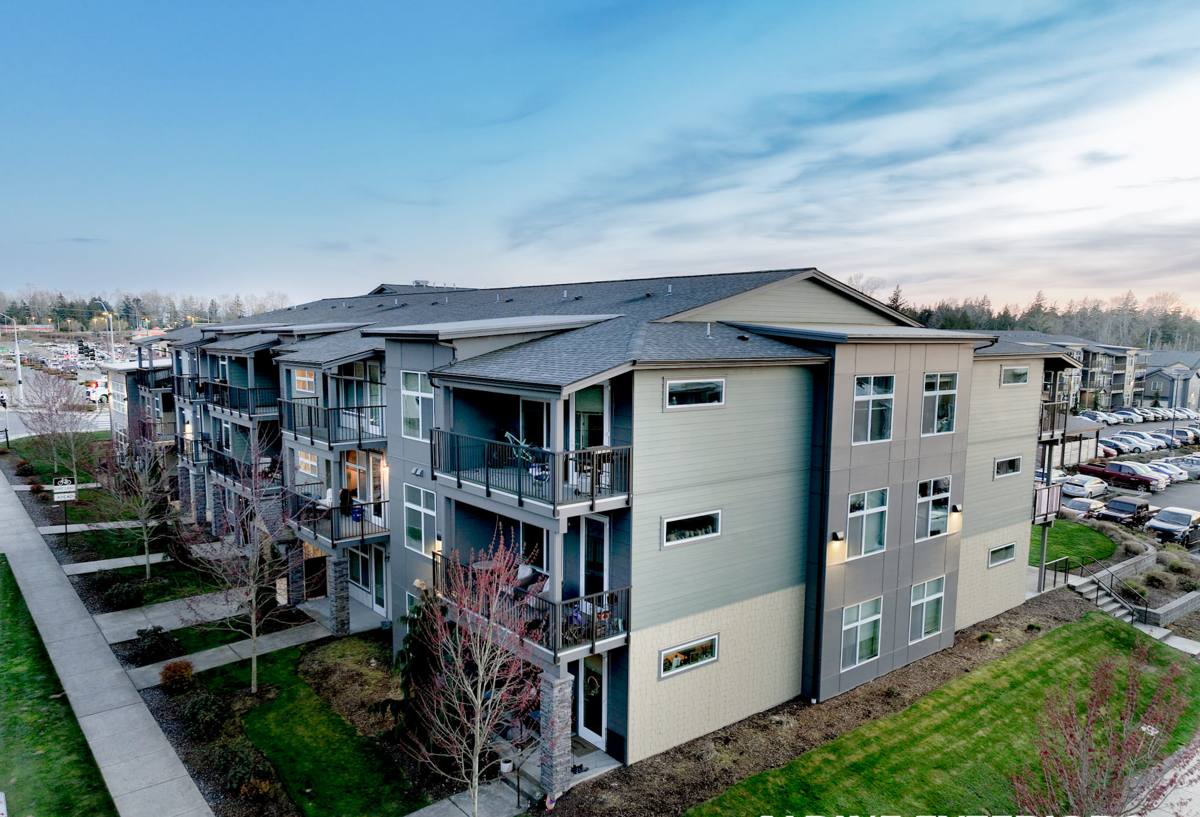
Silver Beach sits along Lake Whatcom on Bellingham's east side, and it's one of the neighborhoods where a vertical board and batten profile really earns its keep. The style pairs naturally with the cabin-and-Craftsman character common to homes near the lake, and the strong vertical lines read well against the mature tree canopy that shades so many of the streets here. But board and batten isn't just a look. Done correctly, it's a layered exterior wall system, and done poorly, it's one of the faster ways to trap moisture behind your siding. In a neighborhood this shaded and this close to water, that difference matters more than it does on an open, sun-exposed lot elsewhere in Whatcom County.
This page covers what board and batten siding needs to hold up in Silver Beach specifically, what a correct installation actually involves, and why we install it in James Hardie fiber cement only — never vinyl, engineered wood, or unfinished cedar.
What Silver Beach's Climate Asks of Your Siding
Shade, Moisture, and a Long Moss Season
Lakeside tree cover is a mixed blessing. It's part of what makes Silver Beach a desirable place to live, but it also means large stretches of exterior wall rarely see direct sun for more than a few hours a day, if that. Wet siding that doesn't get sun exposure stays wet longer, and damp, shaded siding is exactly what moss and algae need to take hold. Whatcom County's moss season already runs long compared to drier parts of the state; on a shaded lake lot, it can be close to year-round on north- and east-facing walls.
Driving Rain and the Marine Air Off the Sound
Bellingham's marine climate brings the same driving, wind-pushed rain and salt-tinged air to Silver Beach that the rest of the city deals with, even though the lake itself is fresh water. That combination of moisture, mild temperatures, and organic debris from the surrounding trees is what breaks down siding that isn't built for it — moisture gets in through worn caulk joints or absorbed into a porous material, and it doesn't get the chance to dry out before the next rain arrives.
None of this means board and batten is a bad choice for Silver Beach. It means the material and the installation both have to be matched to the conditions, not just picked for the look.
What Correct Board & Batten Installation Actually Involves
Weather-Resistive Barrier and Drainage Plane
Every board and batten job starts underneath the siding, not with it. A properly lapped weather-resistive barrier and a drainage plane (a rainscreen gap or furring strategy) give any water that gets past the outer layer somewhere to go besides your sheathing. On a shaded, damp lot like Silver Beach, this layer is doing more work than it would on a drier site, and it's the part of the job a homeowner never sees once it's finished — which is exactly why it's the part worth asking a contractor about directly.
Panel and Batten Layout
Board and batten today is usually built one of two ways: true individual boards with battens covering the seams, or a single vertical panel product with battens applied over it to create the look with fewer field seams. Fewer seams generally means fewer places for water to find a way in. Either way, layout has to account for window and door openings, corner details, and consistent batten spacing — inconsistent spacing is one of the more common cosmetic mistakes we see on board and batten jobs done by crews that don't specialize in the style.
Fastening, Caulking, and Flashing
Vertical siding depends on correct fastener placement and spacing to stay flat and straight over time, especially through temperature swings. Flashing at windows, doors, and any roof-to-wall intersections has to be integrated with the drainage plane, not just caulked over the top of it. Caulk is a maintenance item, not a substitute for proper flashing — a job that relies on caulk to do the flashing's work will fail faster, and it'll fail in exactly the damp, shaded spots Silver Beach has the most of.
Why We Only Install James Hardie for This Style
Board and batten shows up in several materials, and each one carries different long-term costs in a climate like this. We install James Hardie fiber cement exclusively — specifically HardiePanel vertical siding with HardieTrim battens, finished in the factory-applied ColorPlus finish, in the HZ5 formulation engineered for climates like the Pacific Northwest's. Fiber cement doesn't absorb moisture the way wood-based products can, it's non-combustible, and the factory finish holds its color and seals its edges more consistently than field-applied paint or stain. It also carries a strong transferable warranty backed by a large, established manufacturer — something worth having on a wall assembly that's expected to last decades in a wet, shaded environment.
We get asked why we don't offer cedar, engineered wood panel products, or vinyl board and batten instead. Each has real strengths — cedar's natural look, engineered wood's lighter weight and lower material cost, vinyl's low upfront price — but each also comes with a trade-off we're not willing to install and stand behind on a Silver Beach home: cedar needs ongoing refinishing to keep moisture out, engineered wood panel products are more sensitive to sustained moisture exposure at cut edges and seams, and vinyl board and batten simply isn't a fire-resistant, dimensionally stable match for the fiber cement standard we hold every job to.
| Material | How It Handles Shade & Moisture | Maintenance Burden | Typical Warranty |
|---|---|---|---|
| James Hardie fiber cement | Resists moisture absorption; factory finish sheds water at the surface | Occasional wash; no refinishing needed | Strong transferable manufacturer warranty |
| Cedar (unfinished or stained) | Absorbs moisture readily in shaded, damp conditions | Re-stain or reseal every few years | Product warranty only; finish not covered |
| Engineered wood panel | Vulnerable at cut edges and seams if moisture gets in | Periodic caulk and edge inspection | Varies; often shorter than fiber cement |
| Vinyl board and batten | Doesn't rot, but can warp and doesn't stop moisture reaching sheathing | Low, but limited repair options if damaged | Typically shorter, less transferable |
Our Process, Start to Finish
- Site visit and assessment: we look at sun exposure, tree cover, existing wall condition, and any moisture already trapped behind your current siding.
- Written estimate: a clear scope covering tear-off, sheathing repair if needed, weather barrier, panel and batten layout, and finish color.
- Tear-off and inspection: once the old siding is off, we can actually see the sheathing and framing underneath and flag anything that needs to be addressed before new siding goes on.
- Weather-resistive barrier and drainage plane installation: the layer that determines how well the wall handles the next twenty years of Whatcom County rain.
- HardiePanel and batten installation: layout, fastening, and flashing done to manufacturer spec, not shortcut for speed.
- Caulking, touch-up, and final walkthrough: we go over the finished job with you before we consider it done.
Why Hiring a Crew That Already Works Silver Beach Matters
A siding crew that's worked this neighborhood before already knows what a shaded, lake-proximity lot does to an exterior wall over time, and they've priced and scheduled around Bellingham's permitting process before. That matters on a job like board and batten, where the underlying moisture management and layout precision are what separate a siding job that lasts from one that looks fine for a season and then starts showing streaking, soft spots, or lifted battens within a few years.
Homes near the Lake Whatcom shoreline can also fall under additional environmental or critical-area review depending on the property's exact location, since the lake serves as a drinking water source for the city. We can't tell you in advance whether that applies to your specific lot, but it's the kind of question worth raising with the City of Bellingham or Whatcom County before work starts — and it's one we're used to navigating for jobs in this area.
What Affects Your Board & Batten Quote
A few factors move the price on most Silver Beach board and batten jobs: the condition of the existing siding and sheathing once it's removed, how much of the wall is in tight or shaded areas that slow down access and drying time during the job, the amount of trim and corner detail, and the finish color you choose. We'll walk through all of it during the estimate so there are no surprises once tear-off starts.
Keeping Board & Batten Siding in Good Shape After Installation
James Hardie siding is low-maintenance, not no-maintenance. A shaded, lake-adjacent lot benefits from a bit more attention than a sunnier one would need.
- Rinse siding once or twice a year to knock off moss spores, pollen, and organic debris before they take hold, especially on north- and east-facing walls.
- Trim back tree limbs and shrubs that keep siding shaded and damp longer than necessary.
- Check caulk lines around windows, doors, and trim annually and have any cracked or separated caulk redone before the wet season sets in.
- Keep gutters clear so overflow isn't running down the wall face during heavy rain.
- Have any impact damage or lifted panels looked at promptly rather than waiting, since small gaps are how moisture problems start.
If you're weighing board and batten for a Silver Beach home, we're glad to come take a look and give you a straightforward, no-pressure estimate — including an honest read on what your current siding and sheathing look like underneath, before you commit to anything.