 Bellingham Roofing
 Windows Built for Sunnyland's Coastal Exposure
Sunnyland sits close enough to Bellingham Bay that homes here take on a different kind of weathering than houses further inland. Salt-laden air works on aluminum frames and exposed hardware over time, wind-driven rain finds its way into any gap in flashing or sealant, and the long stretch of damp, low-sun months every year gives moss and mildew plenty of time to settle into anything that stays wet. Window replacement in this part of Bellingham isn't just a cosmetic upgrade — it's a chance to correct the specific weak points that coastal exposure creates.
We work on homes throughout this neighborhood and see the same failure patterns again and again: fogged double-pane glass from a broken seal, soft or discolored trim where water has been sitting instead of draining, and single-pane or early-generation dual-pane windows that were never rated for the amount of moisture cycling this area gets. A correct replacement addresses all of it — the glass, the frame, and the water management around the opening — not just the parts you can see from inside.
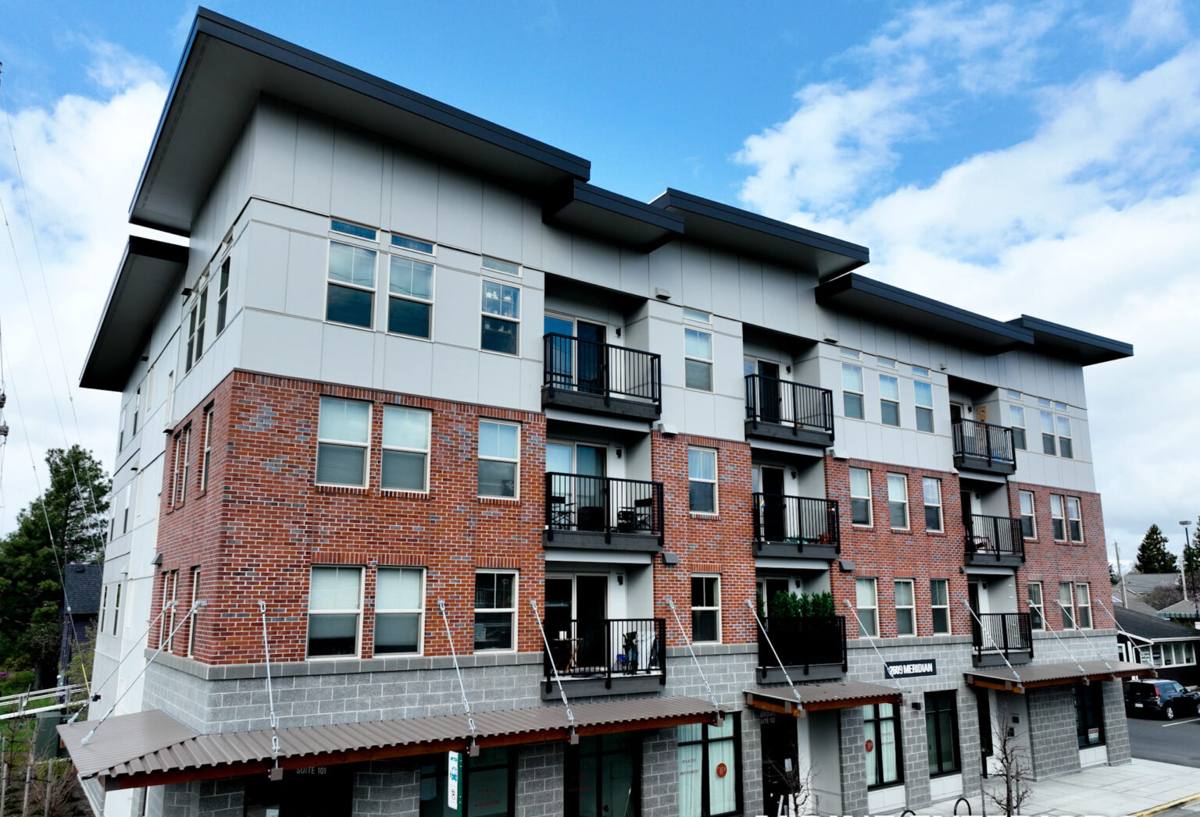
What Whatcom County's Climate Does to Windows Over Time
Salt Air and Metal Fatigue
Homes within a few miles of the water deal with airborne salt that accelerates corrosion on aluminum window frames, hardware, and screen components. Once corrosion starts on a frame, it's difficult to stop — pitting weakens the metal and eventually compromises the seal around the glass, letting in moisture and cold air.
Driving Rain and Wind-Loaded Water
Bellingham's rain rarely falls straight down. Wind off the bay pushes it sideways against west- and south-facing walls, which means water is being forced against and around window openings, not just landing on top of them. If flashing, sill pans, or sealant were installed incorrectly — or have simply aged out — that wind-driven rain finds its way behind the trim and into the wall cavity.
Moss, Mildew, and Prolonged Dampness
Whatcom County's moss season stretches across most of the fall, winter, and spring. Anywhere water sits instead of draining — a window sill without proper slope, a track that traps debris, a gap in caulking — becomes a place for moss and mildew to take hold. Beyond looking bad, sustained moisture against wood trim or sheathing leads to soft spots and eventually rot.
Signs a Sunnyland Home Needs Window Replacement
- Fogging or a visible haze between panes — the sign of a failed gas seal that no amount of cleaning will fix
- Drafts you can feel near the frame even with the window fully latched
- Wood trim or sills that feel soft, spongy, or show dark staining
- Visible moss or persistent green growth on sills, tracks, or exterior trim
- Windows that are difficult to open, close, or lock — often a sign the frame has shifted or swelled
- Noticeably higher heating bills in winter with no other explanation
- Condensation forming on the inside of the glass regularly, especially in cooler months
What a Correct Window Replacement Actually Involves
Swapping out an old window for a new one is only part of the job. The parts homeowners don't see — flashing, sill pans, sealant, and how the new unit ties into the existing wall assembly — are what determine whether the replacement holds up through a Bellingham winter or starts leaking again in a year or two.
Our Process
- Assessment. We inspect the existing window, the surrounding trim, and the wall condition to understand what's failing and why — not just what's visible from the curb.
- Product selection. We walk through frame materials, glass packages, and performance ratings suited to this specific exposure, and explain the honest trade-offs of each option.
- Removal. The old unit comes out carefully so we can inspect the framing, sheathing, and any existing flashing underneath before anything goes back in.
- Repair as needed. If there's soft wood, rot, or water damage behind the old window, we address it before installing anything new. Sealing a new window over a damaged opening just delays the same problem.
- Flashing and sill pan installation. This is the step that determines whether wind-driven rain gets managed or gets in. We install sill pans and flashing sequenced correctly so water sheds outward, not into the wall.
- Setting and sealing the window. The new unit is shimmed level and plumb, fastened per manufacturer spec, and sealed with products suited to our climate — not just whatever caulk is on hand.
- Interior and exterior trim. Trim is reinstalled or replaced, with attention to any spots where water previously collected, so the same failure doesn't repeat.
- Final check. We test operation, look for any gaps, and walk the homeowner through what was done and why.
Choosing the Right Frame and Glass for This Neighborhood
There's no single "best" window for every home — the right choice depends on sun exposure, wind exposure, budget, and how the rest of the house is built. That said, coastal Bellingham exposure does narrow the field in some useful ways.
| Frame Material | How It Holds Up Here | Maintenance Consideration |
|---|---|---|
| Vinyl | Resists corrosion from salt air well; performs consistently in wet climates | Low maintenance; limited color/finish options compared to other materials |
| Fiberglass | Very stable in temperature swings and moisture; strong option for coastal exposure | Higher upfront cost; minimal upkeep needed |
| Wood (clad exterior) | Good performance when the exterior cladding is intact and properly sealed | Requires attention to seams and caulking over time to prevent moisture intrusion |
| Bare Aluminum | More prone to salt-driven corrosion and pitting near the bay | We generally steer homeowners here away from this option given the maintenance burden and corrosion risk specific to this location |
On glass, a dual-pane unit with a quality low-E coating and proper gas fill is the practical baseline for this climate — it manages heat loss and condensation far better than older single-pane or early dual-pane units. Triple-pane can make sense for particularly exposed elevations, but for most Sunnyland homes it's a diminishing-returns upgrade rather than a necessity. We'll give you a straight answer on whether it's worth it for your specific house, not a blanket upsell.
What We Steer Clients Away From — And Why
We won't install a window system into this climate that we know creates a long-term maintenance headache for the homeowner, even if it's cheaper upfront. That mainly comes down to frame materials with poor corrosion resistance in salt air, and glazing systems that are especially sensitive to installation error in wind-driven rain conditions. It's not that these products are inherently bad everywhere — it's that Sunnyland's specific exposure makes certain trade-offs a bad match for this address.
Cost Factors for Window Replacement in Sunnyland
Every home is different, but the main variables that move the price are consistent. We give firm, written quotes after seeing the actual openings — anyone quoting a whole-house number over the phone is guessing.
| Factor | Why It Matters |
|---|---|
| Frame material | Vinyl, fiberglass, and clad-wood carry different material costs and lead times |
| Number and size of openings | Larger units and picture windows cost more in both material and labor |
| Condition behind the existing window | Rot or water damage found during removal adds repair scope beyond the window itself |
| Glass package | Low-E coatings, gas fills, and pane count all affect price and performance |
| Wall exposure | South- and west-facing walls exposed to wind-driven rain may need more thorough flashing work |
| Trim and finish work | Matching existing interior trim or upgrading exterior trim adds labor time |
Why Hire a Crew That Already Works in Sunnyland
Window replacement done well in a coastal climate is about details a lot of general contractors don't think through — the sequencing of a sill pan, how far flashing should extend, which sealants actually hold up under repeated wetting and drying near the bay. A crew that regularly works this neighborhood has already seen what fails here and builds around it instead of learning the hard way on your house.
Local experience also means we're realistic about scheduling. Bellingham's wet season isn't a good window (no pun intended) for leaving an opening exposed longer than necessary, so we plan installs to keep your home protected and minimize the time any opening sits uncovered.
Maintaining New Windows Through Whatcom County Winters
- Rinse sills and tracks periodically to clear salt residue and organic debris before it holds moisture
- Check and refresh exterior caulking every year or two, since UV and moisture cycling break it down faster here than in drier climates
- Keep gutters and downspouts clear so runoff isn't sheeting directly down over window openings
- Trim back vegetation or moss buildup near ground-level windows to reduce constant dampness against the frame
- Operate locks and hardware occasionally in winter to keep mechanisms from seizing in cold, damp conditions
Get a Straight Answer for Your Home
If your windows are fogging, drafty, or showing signs of water damage, it's worth having someone look at the actual openings rather than guessing from a description. We'll walk your home, tell you honestly what's going on, and put together a clear, no-pressure estimate for what correct window replacement would involve for your specific house. Use the form below to get started.