 Bellingham Roofing
 Siding That Has to Earn Its Keep in York
The York neighborhood sits inside Bellingham's older residential core, which means a lot of its homes carry siding that has already been through several decades of Pacific Northwest weather. That's not a small thing here. Whatcom County sits close enough to the water that salt-laden air works its way into fasteners, trim, and any seam that wasn't sealed correctly the first time. Add driving, wind-pushed rain that hits walls at an angle instead of falling straight down, and a moss season that can run most of the year on shaded, tree-covered lots, and you have a climate that is genuinely hard on exterior materials. Siding in York doesn't just need to look good — it needs to shed water, resist rot, and hold its finish without constant upkeep.
We install siding with that reality in mind, not with a generic install that happens to work fine in a drier climate. What follows is a straight look at what a correct siding job involves, why we've standardized on one product system, and what to expect if you're planning a replacement in York.
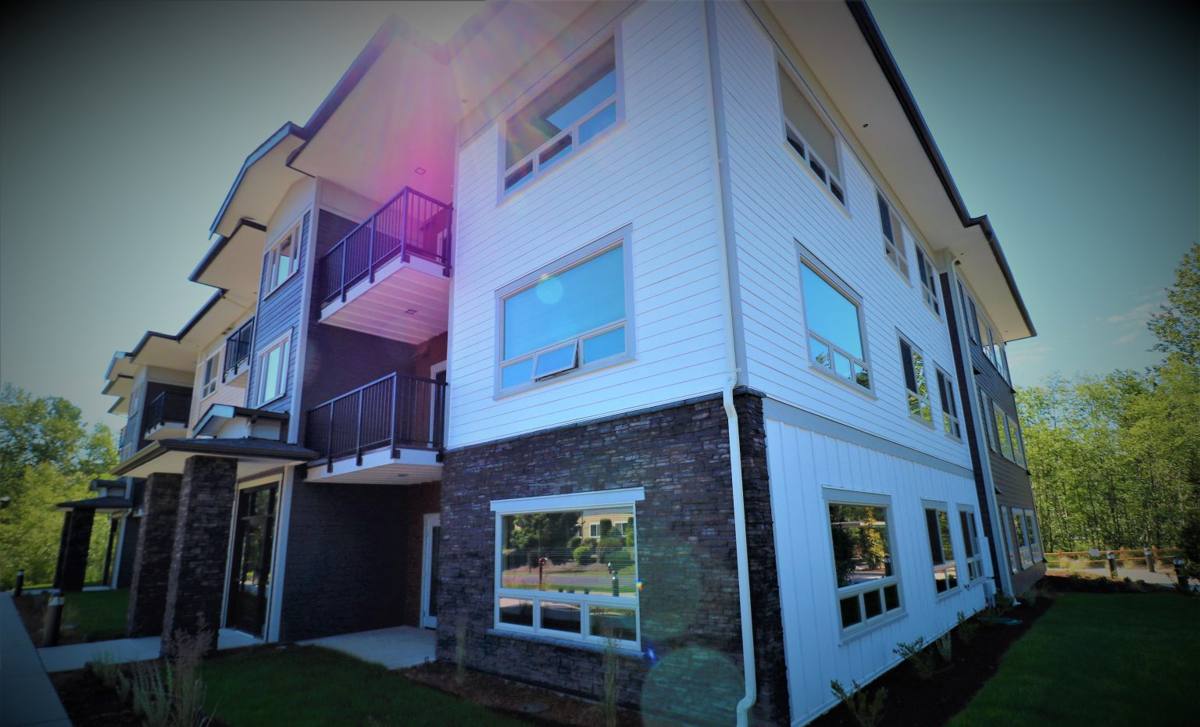
What "Correct" Siding Installation Actually Means
Siding failures almost never come from the panel itself — they come from what's behind it and how it was hung. In a wet climate like Whatcom County's, the installation details matter more than the brand name on the box.
The Weather-Resistive Barrier and Flashing
Every wall needs a continuous water-resistive barrier underneath the siding, with flashing integrated at every window, door, deck ledger, and penetration so water that gets past the siding has somewhere to go besides your sheathing. This is the part homeowners never see once the job is done, and it's also the part that determines whether a house stays dry for thirty years or starts showing rot in five. On a house exposed to driving rain off and on all winter, sloppy flashing work is the single most common cause of hidden water damage.
Fastening, Gaps, and Clearances
Fiber cement siding has to be fastened at the manufacturer's specified pattern and depth, with proper clearance from the ground, roofline, and any hard surfaces like patios or walkways. Too little ground clearance keeps splashback and moss spores in constant contact with the bottom courses. Panels butted too tightly against each other or against trim don't leave room for normal expansion and contraction, which shows up later as cracked caulk lines and open joints that let water in.
Caulking and Paint-Grade Details
Factory-finished siding still has field joints, trim intersections, and fastener heads that need the right sealant and touch-up, applied correctly the first time. This is where rushed installs cut corners, and it's exactly the kind of detail that determines whether a paint job holds up to salt air and UV without peeling in a few seasons.
Why We Install Only James Hardie Fiber Cement Siding
We made a deliberate decision to install one siding system, not several. We don't install vinyl, LP SmartSide, Cemplank, Allura, or bare cedar and primed spruce. That's not a marketing position — it's a standard we hold ourselves to because we've seen how each of those products performs over time in this specific climate, and we'd rather stand behind one system we trust completely than offer a menu of options with different long-term outcomes.
James Hardie fiber cement is non-combustible, dimensionally stable in wet-dry cycling, and comes with a factory-applied ColorPlus finish that's baked on rather than field-painted, which matters enormously in a region where paint has to fight salt air and near-constant moisture. Hardie also engineers its product lines by climate zone rather than selling one formulation everywhere, and the company backs installations with a strong transferable warranty when the job is done to their specification. None of that means other products are without merit — vinyl is inexpensive and low-maintenance in mild climates, wood has a look some homeowners genuinely prefer, and engineered wood products have their own fan base. We simply concluded that, for York's climate and for the number of decades we want a siding job to last, fiber cement done right is the better bet, and we'd rather install one product well than several products adequately.
How Siding Materials Compare
| Material | Moisture Behavior | Maintenance | Typical Lifespan |
|---|---|---|---|
| James Hardie fiber cement | Dimensionally stable, resists swelling and rot | Occasional wash; factory finish holds color | 30+ years with correct install |
| Vinyl | Can warp or buckle in heat/cold swings; seams can allow water intrusion | Low, but color fades over time | 15-25 years |
| LP SmartSide / engineered wood | Wood-based core is more moisture-sensitive at cut edges and seams | Requires diligent edge sealing and repainting | 15-25 years, install-dependent |
| Cedar / primed spruce | Natural material; absorbs moisture, prone to checking and rot without upkeep | Regular re-staining or repainting needed | 10-20 years without consistent maintenance |
These are general tendencies, not guarantees or knocks on any manufacturer — every product's real-world performance depends heavily on how well it was installed and maintained. It's simply the comparison that led us to standardize on one system.
Our Installation Process, Start to Finish
- Site assessment. We walk the exterior, check existing siding condition, look for signs of moisture behind walls, and note any trim, window, or flashing issues that need addressing before new siding goes on.
- Tear-off and sheathing check. Old siding comes off and we inspect the sheathing underneath for rot or soft spots before anything new is installed — covering up a problem is worse than not finding it.
- Weather barrier and flashing. A continuous water-resistive barrier goes up first, with flashing detailed at every window, door, and penetration.
- Hardie panel or plank installation. Siding is installed to manufacturer fastening specs, with correct clearances at grade, roofline, and trim.
- Trim, caulking, and touch-up. Joints are sealed and any factory finish touch-up is done with matched product.
- Final walkthrough. We review the completed job with you before calling it done.
Signs Your York Home's Siding Needs Attention
- Green or black staining that keeps returning within weeks of cleaning, especially on shaded north- and west-facing walls
- Soft or spongy spots when you press on siding near the bottom courses or below windows
- Visible cracking, buckling, or gaps at panel joints and trim
- Paint that's peeling, chalking heavily, or fading unevenly across the same wall
- Interior signs like peeling paint, musty smell, or soft drywall near exterior walls
- Siding that's original to a home more than 25-30 years old and has never been fully replaced
What Correct Installation Costs — and What Drives the Number
| Cost Factor | Why It Matters |
|---|---|
| House size and wall complexity | More corners, gables, and dormers mean more cutting, flashing, and labor time |
| Condition of existing sheathing | Rot repair found during tear-off adds cost but prevents covering up a real problem |
| Siding profile and trim package | Lap siding, panel siding, and trim boards each price differently based on material and labor |
| Access and site conditions | Tight lots, mature landscaping, or multi-story walls affect staging and time on the job |
| Color and finish selection | Factory ColorPlus finishes vary slightly in price by color line |
We won't publish a flat price here because every York home is different, but we'll always walk you through exactly what's driving your number before you commit to anything.
Why Hire a Crew That Already Works in York
A siding crew that regularly works this neighborhood already understands the housing mix — older homes needing sheathing repairs alongside new construction, mature tree cover that keeps north walls damp longer, and the reality that Bellingham's rain rarely falls straight down. That familiarity shows up in small decisions: where to add extra flashing attention, how much ground clearance to leave given typical lot grading, and which wall orientations need the most moisture vigilance. It also means we're not learning Whatcom County's climate on your project — we're applying what already works here.
Caring for Hardie Siding After Installation
Fiber cement installed correctly is genuinely low-maintenance, but "low" isn't "none." A yearly rinse-down helps keep moss and mildew from taking hold, especially on shaded sides of the house where York's tree cover keeps siding damp longer between rains. Keep an eye on caulk lines at trim and window flashing over the years, and address any landscaping that's grown up against the siding, since constant leaf contact and blocked airflow are what feed moss growth in this climate. Beyond that, factory-finished Hardie siding is built to go a long time without repainting.
If your York home's siding is showing its age, or you're planning ahead rather than reacting to a problem, we're glad to take a look and talk through what your home actually needs. We offer free, no-pressure estimates — there's a form below whenever you're ready.