 Bellingham Roofing
 Storm Damage Roof Repair for York Homes
York sits close enough to the water that every storm rolling off Bellingham Bay brings the same combination: driving rain pushed sideways by wind, salt-laden air that accelerates corrosion on metal fasteners and flashing, and long stretches of gray, wet weather that never really lets a roof dry out between events. When a storm damages a roof here, the damage is rarely limited to what you can see from the ground. Our crew works storm damage repairs in York and the surrounding Bellingham neighborhoods regularly, and we've built our process around what this specific climate does to a roof after wind and rain get underneath the surface.
This page covers what storm damage actually looks like on a York roof, what a correct repair involves, and how we handle the job from first call to final inspection.
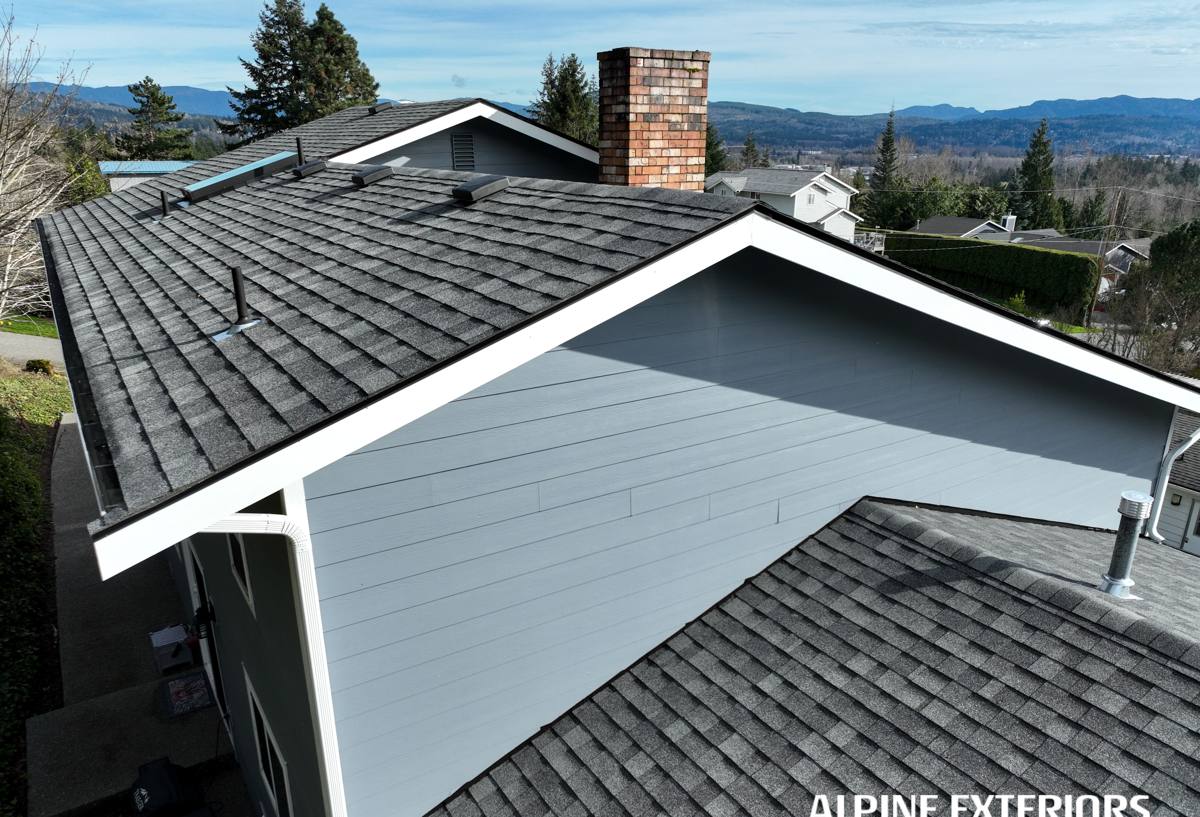
What Storms Actually Do to a Whatcom County Roof
Wind damage in this area is rarely a dramatic, obvious event. More often it's a handful of lifted or creased shingles, a section of ridge cap that's worked loose, or flashing that's been pried a quarter-inch away from a wall or chimney. Once that gap exists, wind-driven rain finds it. Bellingham's storms tend to come with sustained wind rather than short gusts, which means water gets pushed uphill under shingles and past flashing laps that would hold fine in a light rain.
Common storm damage patterns we see in York
- Shingles creased or lifted along roof edges and hips, where wind uplift is strongest
- Flashing separated at chimneys, skylights, and sidewalls after repeated wind-flex cycles
- Granule loss and bruising from wind-driven debris or hail, which shows up as soft spots later
- Gutters pulled away from fascia by wind load or trapped debris, causing water to dump against the wall line
- Ridge vent and cap damage that opens a direct path for wind-driven rain into the attic
Because Whatcom County rarely gets a hard freeze-thaw cycle the way inland climates do, the damage that hurts most isn't ice — it's sustained moisture. A small opening that would dry out in a drier climate instead stays wet for days, and that's when rot and mold get a foothold in the decking below.
Why Salt Air and Moss Change the Repair, Not Just the Roof
Two things about this area change how we approach storm repair compared to a drier inland job.
Salt air and fasteners
Homes closer to the water take more airborne salt than homes further inland, and that salt accelerates corrosion on exposed nails, staples, and metal flashing. A storm-damaged section that's been patched with standard fasteners can start leaking again within a season or two as those fasteners corrode faster than they would elsewhere. We account for this by using corrosion-resistant fasteners and flashing on repair work in York, not just on full replacements.
Moss season and repair timing
Bellingham's moss season runs long — moist, shaded roof sections can carry active moss growth nine or ten months of the year. Moss holds moisture against the shingle surface and works its way under tabs and around flashing edges, which means a storm-damaged roof with existing moss is usually dealing with two problems at once: the acute storm damage and the chronic moisture retention moss has already caused. A repair that only addresses the storm event without cleaning back moss and improving drainage at that spot tends to fail again the next wet season.
What a Correct Storm Damage Repair Involves
A proper repair isn't just replacing what's visibly missing. It follows a sequence:
- Full-roof assessment, not just the damaged area. Wind damage often has a secondary weak spot nearby that hasn't failed yet. We check the whole roof plane, not just the reported leak or missing shingles.
- Decking inspection. If water has been getting in for more than a day or two, we check the plywood or plank decking underneath for soft spots, delamination, or staining before any new material goes down.
- Flashing repair or replacement, not just resealing. Caulk over bent or separated flashing is a temporary fix. We reseat or replace flashing so it sheds water the way it's designed to.
- Matching materials correctly. Shingle color and profile matching matters for resale and appearance, but granule type and weight also matter for how the patch weathers next to the existing roof.
- Ventilation check. Storm damage at ridge vents or soffits is an opportunity to confirm the attic is venting correctly — trapped moisture from poor ventilation compounds everything else on this list.
Our Process for York Storm Calls
Storm damage calls move differently than a routine roof job, and homeowners in York generally want two things fast: a straight answer on whether it's a real problem, and a repair that won't need redoing next storm season.
Step by step
- Initial call and photos. If you can safely get a few ground-level photos of the damage, that helps us prioritize the visit and bring the right materials the first time.
- On-site inspection. We walk the roof (weather permitting) and check both the exterior damage and, where accessible, the attic side for water intrusion.
- Written scope and estimate. You get a plain-language explanation of what's damaged, what's at risk, and what the repair involves — no pressure to upgrade to a full replacement unless the roof's condition genuinely calls for it.
- Repair. Most storm damage repairs in York are completed in a single day, weather windows permitting.
- Final check. We confirm the repair area, flashing, and adjacent sections are sound before we call the job done.
Repair vs. Replacement: How We Decide
Not every storm-damaged roof needs to be replaced, and not every damaged roof can be safely patched. The table below covers the factors that usually decide it.
| Factor | Points Toward Repair | Points Toward Replacement |
|---|---|---|
| Roof age | Under 12–15 years, otherwise sound | Near or past expected service life |
| Extent of damage | Localized to one section or slope | Widespread across multiple slopes |
| Decking condition | Dry, solid decking under damaged area | Soft, delaminated, or rotted decking |
| Existing moss/moisture history | Isolated, addressed with cleaning | Chronic moss and moisture across large areas |
| Shingle matching | Matching material still available | Discontinued product, poor match likely |
| Insurance scope | Adjuster scopes a repair | Adjuster or inspection supports full replacement |
We'll always tell you honestly which side of this table your roof falls on. A repair that's the wrong call for the roof's actual condition just delays a bigger expense later.
Insurance and Documentation
Most storm damage claims move faster when there's clear documentation from the start. We provide a written scope of damage and photos that you can hand to your insurance adjuster, and we're glad to walk the roof with an adjuster if that's useful for your claim. We don't inflate scopes or push unnecessary work into a claim — our estimate reflects what the roof actually needs.
What to have ready before your insurance call
- Date and approximate time of the storm event
- Photos of any interior water staining or active leaks
- Our written inspection report and repair scope
- Your policy number and any prior roof inspection reports, if you have them
Why Hiring a Crew That Already Works York Matters
Roofs in York face a specific combination of exposure, wind direction, and moss pressure that differs even from other Bellingham neighborhoods a few miles inland. A crew that already works this area knows which roof orientations tend to take the brunt of storm wind, which flashing details fail first in salt air, and where moss builds up fastest given the tree cover and shade patterns common here. That local pattern recognition speeds up the assessment and helps us catch secondary damage before it becomes a second service call.
It also matters for response time. Storm damage that sits exposed for a week during a wet stretch of Whatcom County weather turns a straightforward shingle repair into a decking replacement. Working locally means we can usually get to a York storm call quickly, before a small opening becomes a bigger problem.
Get a Free, No-Pressure Estimate
If a recent storm has left your York home with missing shingles, lifted flashing, or a new leak, we're glad to take a look and give you a straight answer on what it needs. Fill out the form below to request a free estimate — there's no obligation, and no pressure to do more than the roof actually calls for.