 Bellingham Roofing
 Why Happy Valley Homes Need Windows Built for This Climate
Happy Valley sits close enough to Bellingham Bay that salt-laden air is a real factor in how exterior materials age, and the neighborhood's mix of older bungalows, mid-century homes, and newer infill means window conditions vary a lot from block to block. What doesn't vary is the climate all of them have to survive: wind-driven rain off the Salish Sea, long gray stretches where moss and mildew get a head start on any surface that stays damp, and the freeze-thaw cycles that show up most winters in Whatcom County. Windows here aren't just a comfort upgrade — they're one of the first things to show wear when a home isn't sealed and glazed correctly for the coastal Pacific Northwest.
Energy-efficient windows done right do two jobs at once: they cut the heat loss that drives up winter heating bills, and they keep moisture out of the wall assembly where it can rot framing and feed mold long before anyone notices a problem from inside the house.
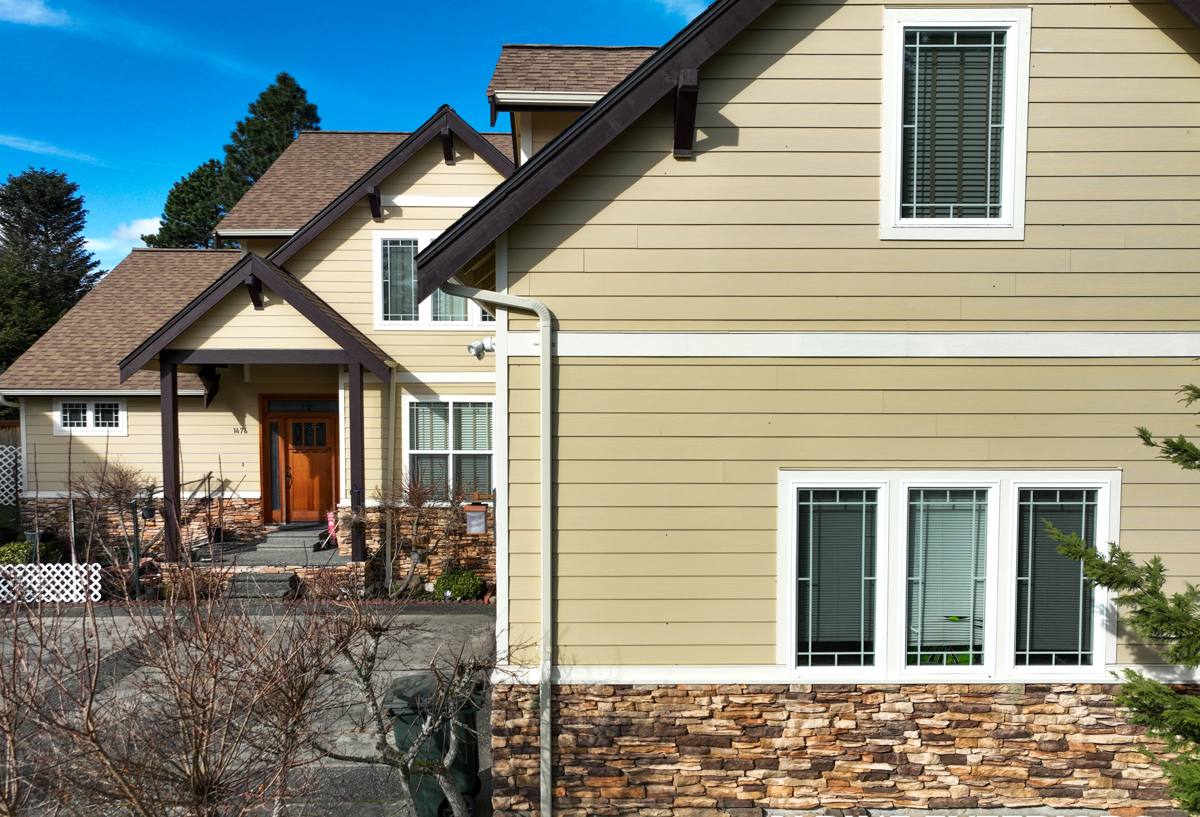
Signs Your Current Windows Are Underperforming
Before recommending replacement, we look for the specific symptoms that show up on homes in this part of Bellingham. Most of them are visible or feel-able without any special tools.
- Cold drafts near the sash or frame even when the window is fully latched
- Condensation or fogging between the panes of a double-pane unit — a sign the seal has failed
- Visible moss, algae, or dark staining on the sill or lower frame
- Wood trim that's soft, discolored, or separating from the wall around the window
- Difficulty opening, closing, or locking a window that used to operate smoothly
- A noticeable temperature difference near windows compared to the rest of the room
- Rising energy bills without a clear change in usage habits
Any one of these can be a minor fix. Several together, especially on a home over 20 years old, usually point to windows that are past the point where caulking and weatherstripping will solve the problem.
What "Energy-Efficient" Actually Means
Glazing and Gas Fill
Most efficient windows today use double- or triple-pane glass with an inert gas — typically argon — sealed between the panes. The gas is a better insulator than plain air, and the number of panes determines how much heat transfer the window resists. Low-E (low-emissivity) coatings add a microscopically thin layer that reflects heat back to its source, keeping warmth inside during winter and reducing solar heat gain in summer.
U-Factor and SHGC
Two numbers matter more than any marketing label: U-factor, which measures how well the window resists heat loss (lower is better), and Solar Heat Gain Coefficient (SHGC), which measures how much solar heat passes through. For a Bellingham home, where heating load matters more than cooling load most of the year, a lower U-factor is usually the priority, though orientation and sun exposure change the calculation room by room.
Frame Material
The frame affects both insulation value and how the window holds up against coastal weather. Vinyl, fiberglass, and wood-clad frames all perform differently in terms of durability, upkeep, and long-term cost — see the comparison below.
| Frame Material | Energy Performance | Coastal Durability | Maintenance | Typical Cost |
|---|---|---|---|---|
| Vinyl | Good insulator, no thermal bridging | Resists salt corrosion well; won't rot | Low — no painting or sealing needed | Lower |
| Fiberglass | Excellent; low expansion/contraction | Very strong against moisture and salt air | Low; holds paint well if a custom color is wanted | Mid to higher |
| Wood-clad | Very good, especially interior comfort | Exterior cladding protects wood, but seams need monitoring | Higher — periodic inspection of cladding seals | Higher |
| Aluminum | Weaker unless thermally broken | Prone to corrosion and condensation near salt air | Moderate | Lower to mid |
We don't push one material as universally "best." A home a few blocks from the water with heavy salt exposure has different priorities than one further inland with more tree cover and moss concerns. Part of our estimate process is talking through which trade-offs actually matter for your specific lot and sun exposure.
Why Correct Installation Matters More Than the Window Itself
A high-efficiency window installed poorly will underperform a mid-range window installed correctly — this is one of the most common issues we find when replacing windows that failed early. In a climate with as much driving rain as Whatcom County gets, the flashing and sealing details around the rough opening matter as much as the glass.
What a Correct Job Actually Involves
- Removing the old unit without damaging the surrounding wall framing or siding
- Inspecting the rough opening for hidden water damage or rot before anything new goes in
- Installing flashing tape and a drainage plane that directs any water that gets behind the trim back out, not into the wall
- Setting the window plumb, level, and square — even a slight misalignment stresses seals and hardware over time
- Sealing with the correct low-expansion foam or backer rod and sealant, not just caulk over gaps
- Finishing exterior trim and flashing so water sheds away from the window head and jambs
- Testing operation and checking the seal from both inside and outside before calling the job done
Skipping any of these steps is how a homeowner ends up with a beautiful new window and a slow leak building inside the wall cavity — a problem that often isn't visible again for a year or two, by which point it's a repair job, not a caulk touch-up.
Our Process for Happy Valley Window Projects
1. On-Site Assessment
We walk the exterior and interior with you, check each window's frame condition, note moisture or moss patterns, and identify which openings are candidates for repair versus full replacement.
2. Product Selection
Based on the home's exposure — how much direct salt air, rain, and sun each side of the house gets — we go over frame material, glazing options, and realistic performance expectations so you're choosing based on your actual home, not a showroom sample.
3. Written Estimate
You get a clear breakdown of scope, materials, and cost before any work is scheduled — no surprise add-ons once the job starts.
4. Installation
Careful removal, rough opening inspection, correct flashing and sealing, and a clean finish inside and out. We protect landscaping and interior spaces during the work and clean up fully at the end of each day.
5. Final Walkthrough
We check operation, seals, and finish work with you before considering the job complete, and we're straightforward about what maintenance, if any, the new windows will need going forward.
Local Conditions That Shape the Right Approach
Salt Air and Metal Hardware
Proximity to Bellingham Bay means salt-laden air reaches further inland than people expect, especially during winter storms. Hinges, locks, and screen hardware made from lower-grade metals corrode faster here than in drier inland climates, so we pay attention to hardware quality, not just glass performance, when specifying replacement units.
Moss and Sustained Damp
Whatcom County's long wet season gives moss and algae plenty of time to establish on sills, trim, and anywhere water sits instead of draining. Window details that promote drainage — proper sill pitch, weep holes that aren't blocked, trim that doesn't trap moisture — matter as much here as the glazing package.
Driving Rain and Wind Exposure
Storms coming off the water can drive rain sideways into window assemblies that would be fine in a calmer climate. This is exactly why flashing and sealing details, not just the window unit itself, determine whether a home stays dry through a wet winter.
Why Local Experience Matters
A crew that already works in and around Bellingham understands the housing stock here — older homes with original wood-frame openings that need extra care during removal, and newer builds where the priority is often just upgrading to better-performing glass. We're familiar with the permitting expectations in the area and with how Whatcom County's weather actually behaves through a full year, not just on a mild install day. That local knowledge is what prevents callbacks: a window installed by a crew that understands this specific coastal climate is a window that's flashed, sealed, and sited correctly the first time.
Get a Straightforward Estimate
If your Happy Valley home has drafty, foggy, or hard-to-operate windows, we're happy to take a look and give you an honest read on what's needed — repair, partial replacement, or a full upgrade. Fill out the form below for a free, no-pressure estimate.