 Bellingham Roofing
 Board & Batten Siding in Lynden: Built for This Corner of Whatcom County
Board and batten has deep roots in farming communities like Lynden. The vertical lines, the barn-and-farmhouse character, the clean shadow lines between boards — it's a style that fits the working landscape of the Nooksack Valley in a way that generic lap siding sometimes doesn't. We're a Bellingham-based crew that spends a lot of time out in Lynden, and we've installed enough board and batten siding on homes throughout Whatcom County to know that this profile rewards a careful installer and punishes a careless one. Get it right and it looks sharp for decades. Get it wrong and every vertical joint becomes a place for water to find its way behind the wall.
This page is about that one job, done right, in this one area: what Lynden's climate asks of a board and batten installation, what correct construction actually looks like behind the boards, how our process runs from estimate to finished wall, and why hiring a crew that already works in this part of the county is worth something.
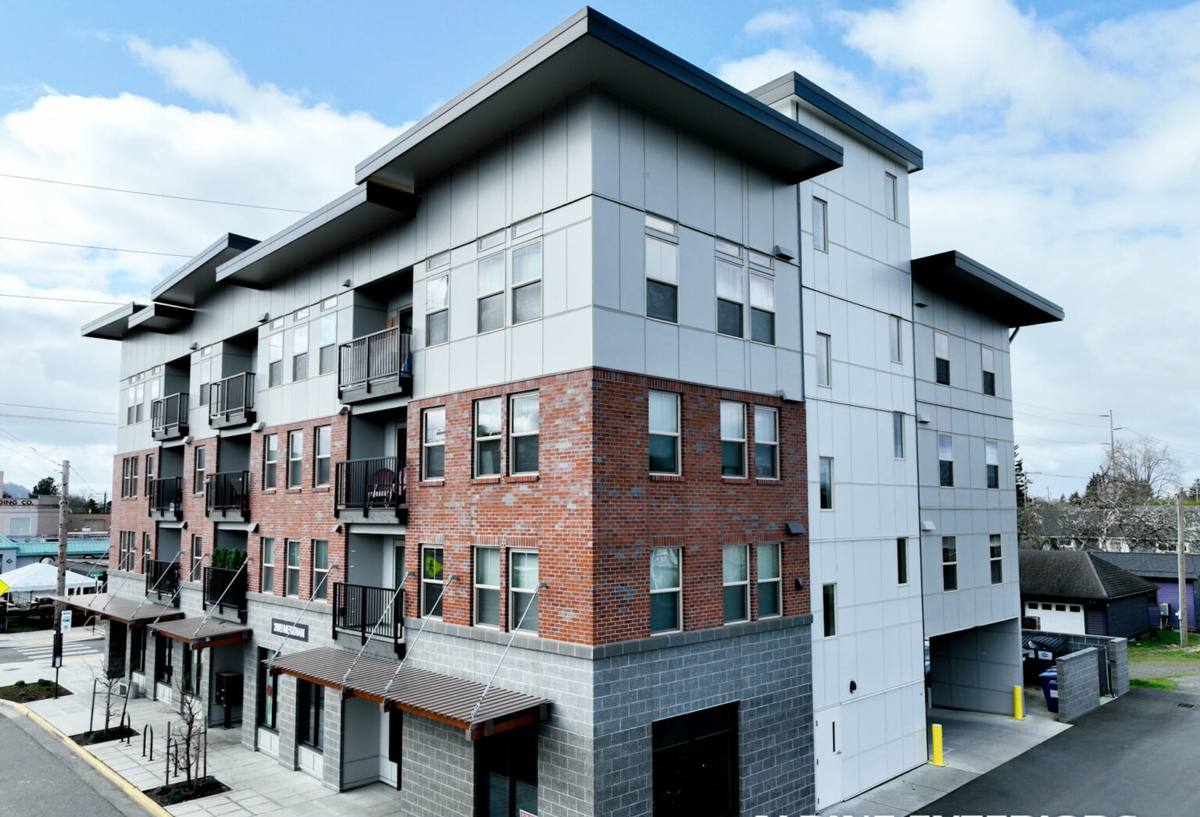
What Whatcom County's Climate Asks of Vertical Siding
Whatcom County sits in a marine-influenced climate — moist air moving off the water, long stretches of driving rain in fall and winter, and short winter days that don't give damp wood or fiber cement much chance to dry out between storms. Add in a moss season that can run half the year on north-facing and shaded walls, and you've got conditions that are hard on any exterior cladding that isn't detailed correctly.
Board and batten is more exposed to these conditions than most siding styles, for one simple reason: it's mostly vertical seams. Water on a wall doesn't just sit there — it runs down. On a lap-sided wall, gravity and overlap work together to shed it. On a board and batten wall, every batten joint is a vertical channel that water wants to travel down and, if it can, behind. A correctly built assembly manages that with a drainage gap and proper flashing. An incorrectly built one traps moisture right against the sheathing, where it doesn't dry out — it just sits, feeds mold and rot, and eventually shows up as soft trim, peeling paint, or a musty smell in a wall nobody's opened in years.
None of this means board and batten is a bad choice for a home in this area — it's a great one, when it's installed as a system rather than just boards nailed to a wall.
Moss, Algae, and North-Facing Walls
Shaded and north-facing elevations in this part of Whatcom County stay damp longer after every rain, and that's exactly where moss and algae take hold first. On wood or engineered wood siding, sustained moss growth holds moisture against the material and accelerates decay. Factory-finished fiber cement resists that kind of surface staining far better, but the assembly behind it still needs to drain and dry — the finish on the face of the board doesn't fix a wall that was built to trap water.
Why Board & Batten Is a Different Install Than Lap Siding
A lot of exterior crews are comfortable installing horizontal lap siding and treat board and batten as a cosmetic variation on the same job. It isn't. The details that matter are mostly invisible once the wall is finished:
- Rainscreen gap: A drainage plane — typically furring strips over the water-resistive barrier — that holds the siding off the sheathing so water and water vapor can drain and the wall can dry from both sides, not just one.
- Batten spacing and fastening: Battens need to land over solid backing with a fastening pattern that holds through wind and seasonal wood movement, not just wherever they happen to fall.
- Joint and seam treatment: Butt joints, inside and outside corners, and the transitions at windows, doors, and trim all need flashing and sealant details specific to a vertical assembly — not borrowed from a lap siding spec.
- Bottom termination: The bottom of the wall, at the foundation line, needs a drip edge and clearance that keeps splash-back and standing water away from the lowest boards.
Skip any one of these and the siding might look right on installation day. The problems show up later — usually behind the wall, where nobody's looking until there's a visible symptom.
The James Hardie Board & Batten System We Install
We install James Hardie fiber cement exclusively, and for board and batten that generally means Hardie panel and batten profiles engineered specifically for vertical applications, finished with Hardie's factory-applied ColorPlus finish. We don't install vinyl board and batten, LP SmartSide, cedar, or primed spruce board and batten, and we're upfront with Lynden homeowners about why:
- Non-combustible material: Fiber cement doesn't burn, which matters in a region where wildfire smoke seasons have become a regular late-summer reality even west of the Cascades.
- Moisture-engineered for the Pacific Northwest: Hardie's HZ5 product line is engineered for climates like ours — the freeze-thaw and sustained-moisture conditions that are normal for Whatcom County winters.
- Factory finish, not field paint: ColorPlus finish is baked on at the factory under controlled conditions, which holds up to driving rain and UV exposure far better than a field-applied coat on raw wood or primed board, and it comes with its own finish warranty separate from the substrate warranty.
- Dimensional stability: Fiber cement doesn't swell, cup, or split the way wood-based battens and boards can when they take on moisture and dry out repeatedly through a Whatcom County winter.
We're not going to tell you every alternative is junk — cedar board and batten has real appeal, and some homeowners like the idea of a wood product. But cedar needs ongoing maintenance (refinishing, sealing, moss treatment) that most homeowners underestimate, and it moves and weathers unevenly over time. LP SmartSide and other engineered wood products perform better than raw wood but are still wood-fiber based and depend heavily on caulking and paint maintenance staying ahead of moisture. Vinyl board and batten is low-maintenance but is a thin, flexible material that can show waviness, doesn't hold paint if you ever want a different color, and isn't rated for the kind of impact and wind exposure fiber cement handles. We standardized on Hardie because, installed to spec, it's the best match for what this climate and this style demand over the long haul.
What a Correct Board & Batten Installation Involves
Here's the sequence we follow on a Lynden board and batten job, from tear-off to finished wall:
- Inspect and remove existing siding down to the sheathing, checking for hidden rot or moisture damage that needs to be addressed before anything new goes up.
- Repair sheathing where needed — no new siding goes over a compromised wall.
- Install a water-resistive barrier (weather-resistant house wrap) that laps correctly at every seam, window, and door opening.
- Install furring strips or a rainscreen product to create the drainage gap behind the siding.
- Flash all penetrations and openings — windows, doors, hose bibs, vents — before boards go up, not after.
- Install Hardie panel and battens to manufacturer spacing and fastening specifications, with proper clearance at the foundation and roofline.
- Seal and finish joints with the correct sealant at seams, corners, and trim transitions.
- Final inspection of flashing, fastening, and clearances before we call the job done.
Every one of those steps is inspectable at the time of the work and invisible afterward. That's exactly why the installer matters more than the product on a job like this.
What We Commonly Find Behind Older Board & Batten Walls
On tear-off jobs around Lynden and the rest of Whatcom County, the same handful of problems show up again and again: boards fastened directly to sheathing with no drainage gap at all, missing or short flashing at window heads, battens that don't land on backing and have worked loose, and bottom edges sitting too close to grade or a walkway where splash-back keeps the lowest boards wet far more often than the rest of the wall. None of these are dramatic failures on day one — they're slow ones, which is exactly why they're worth getting right the first time.
Material Comparison for Board & Batten Applications
| Material | Moisture Behavior | Maintenance | Finish Durability | Fire Rating |
|---|---|---|---|---|
| James Hardie fiber cement | Dimensionally stable, engineered drainage-plane compatible | Low — occasional wash | Factory ColorPlus finish, long-term color hold | Non-combustible |
| Cedar | Absorbs and releases moisture, prone to cupping/splitting | High — refinishing, sealing, moss treatment | Field-applied finish wears faster | Combustible |
| LP SmartSide / engineered wood | Better than raw wood, still wood-fiber based | Moderate — caulk and paint upkeep | Field or factory finish, variable lifespan | Combustible (treated) |
| Vinyl board & batten | Doesn't absorb water but can trap it behind if not vented | Low | Can fade, can't be repainted easily | Combustible, can deform in heat |
Cost Factors for a Lynden Board & Batten Project
We won't quote a number without seeing the house, but these are the factors that actually move the price on a board and batten job in this area:
| Factor | Why It Matters |
|---|---|
| Existing wall condition | Hidden rot or sheathing damage found at tear-off adds repair scope before new siding goes up |
| Wall height and complexity | Gables, dormers, and multiple stories add labor and staging time |
| Trim and corner detailing | Board and batten uses more linear trim than lap siding, which affects both material and labor |
| Rainscreen/furring approach | A proper drainage assembly adds a labor step that a corner-cutting install skips |
| Access and site conditions | Driveways, fencing, and landscaping around the home affect staging and scaffolding needs |
Why a Crew That Already Works Lynden Is Worth Hiring
Board and batten problems are almost always installation problems, not product problems. That means the crew matters more than the brand on the invoice. A crew that already works throughout Lynden and the rest of Whatcom County has already worked through the local permitting expectations, has already seen how the area's rain patterns and shaded lots affect a wall over its first few winters, and isn't learning the region's quirks on your house. We show up knowing what a correct rainscreen assembly needs to look like for this climate before the first board goes up — not figuring it out as we go.
We also stand behind the work with a crew that's reachable locally afterward, not a name that did one job in the area and moved on. That matters for a siding style where the real test isn't how it looks on installation day — it's how the wall behind it is doing five winters later.
What to Ask Before You Hire a Board & Batten Installer
- Do they install a drainage gap (furring strips or rainscreen product) behind the siding, or fasten directly to the sheathing?
- Do they flash window and door openings before installing siding, or seal around them afterward?
- Can they explain the fastening spacing and pattern they'll use for battens on your specific wall?
- Are they installing manufacturer-specified components (fasteners, trim, sealant) rated for the product, or substituting general-purpose materials?
- What's covered under the manufacturer's product warranty versus their own workmanship warranty, and for how long?
- Have they worked in Lynden or elsewhere in Whatcom County before, and can they speak to how the local climate affects the assembly?
Get a Free Estimate for Your Lynden Home
If you're weighing board and batten siding for a home in Lynden, we're happy to come take a look, walk the exterior with you, and give you a straight answer on what your walls need — no pressure, no upsell script. Use the form below to request a free estimate.