 Bellingham Roofing
 Building Decks for Silver Beach's Location
Silver Beach sits close to the water on Bellingham's east side, and that proximity shapes every deck built here. Homes in this part of Whatcom County deal with more sustained moisture than a deck fifteen minutes inland would ever see. Morning fog off the water lingers in yards shaded by mature trees, humidity stays elevated for weeks at a stretch, and wood surfaces rarely get a full day to dry out before the next system rolls through. A deck here isn't just outdoor furniture, it's a structure that has to shed water, resist decay, and stay safe underfoot through a wet season that runs far longer than most homeowners moving here from drier climates expect.
None of that means a deck in Silver Beach has to be high-maintenance or short-lived. It means the design, the materials, and the framing details all need to account for water from day one, instead of trying to fix drainage and rot problems after the fact.
How the Regional Climate Wears Down a Deck
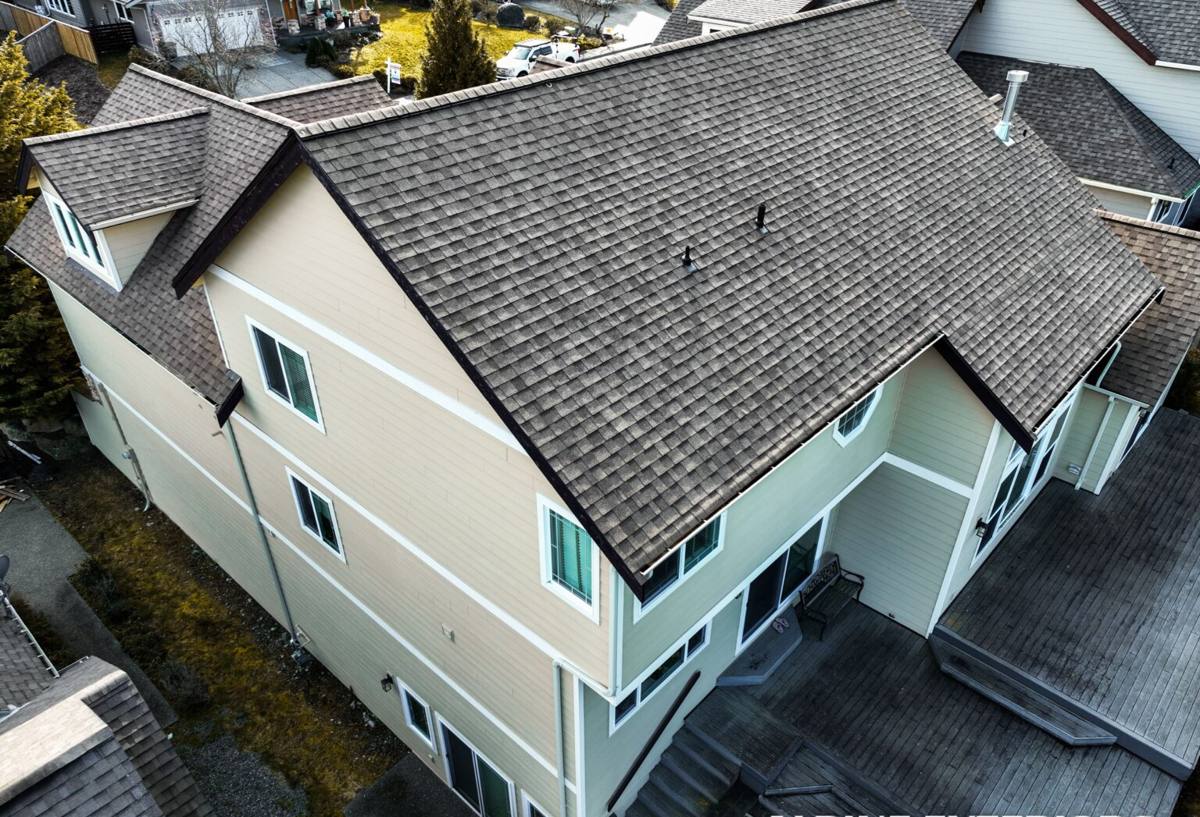
Greater Bellingham's marine climate is a mixed blessing for outdoor structures. The salt-tinged air drifting off Bellingham Bay and the Salish Sea accelerates corrosion on unprotected metal fasteners and hardware. Driving rain, often blown sideways by wind off the water, gets pushed into joints and end grain that would stay dry in a calmer climate. And the long, mild, damp stretch from fall through spring gives moss, algae, and mildew months to establish themselves on any surface that doesn't drain or dry quickly.
What This Looks Like Over Time on an Untreated or Poorly Built Deck
- Fastener heads bleeding rust streaks into the decking within a few seasons
- Green-black moss film building up on north-facing boards and shaded stair treads
- Cupping, splintering, or soft spots where water sits on horizontal wood surfaces
- Ledger boards and joist hangers showing corrosion or early rot at the house connection
- Slippery footing on stairs and low-traffic areas during the wet months
Every one of these problems is preventable. They are not signs that decks just don't last in this climate, they are signs of decisions made at the design and construction stage that didn't account for it.
Choosing Decking Material That Fits This Environment
There's no single best decking material for every home, the right choice depends on budget, how much upkeep you want to take on, and how the deck will be used. What matters is picking a material with eyes open, understanding what it needs from you over the years ahead.
| Material | Moisture Behavior | Maintenance | Typical Lifespan Here |
|---|---|---|---|
| Pressure-treated wood | Absorbs and releases moisture, prone to cupping and checking if not sealed | Annual cleaning and re-sealing recommended | 15-20 years with upkeep |
| Cedar | Naturally rot-resistant but still needs finish protection near the water | Regular cleaning, refinishing every 2-3 years | 15-20 years with upkeep |
| Composite decking | Resists rot and doesn't absorb water into the board core | Periodic washing to prevent surface mildew and pollen film | 25-30+ years, brand-dependent warranty |
| PVC / capped polymer | Fully moisture-resistant surface, no wood fiber to decay | Lowest upkeep of the group, occasional washing | 25-30+ years, brand-dependent warranty |
Wood costs less upfront and gives a natural look many homeowners prefer, but it asks for real annual commitment, cleaning, sealing, and watching for soft spots, especially in a yard that stays shaded and damp. Composite and PVC decking cost more to install but shift the maintenance burden from sanding and sealing to occasional washing, which is why we see more homeowners near the water choosing them for main living decks. We'll walk through the honest trade-offs for your specific site and budget rather than pushing one material by default.
A Note on Fasteners and Hardware
In a lower-moisture climate, the fastener grade matters less. Here, it matters a great deal. We use stainless steel or heavy hot-dip galvanized fasteners and connectors rated for ACQ-treated lumber, and we match hardware to whatever decking material goes on top. Cutting corners on fastener quality is one of the most common, and most avoidable, causes of early deck failure we see in this area.
What's Underneath Matters More Than What's On Top
A deck's surface gets all the attention, but the framing underneath is what determines whether it's still solid in fifteen years. Joists, beams, and posts sit closer to grade, closer to standing water, and closer to splash-back than the decking boards ever do, so they take the brunt of the moisture exposure.
Framing Details We Treat as Non-Negotiable
- Pressure-treated lumber rated for ground contact on any framing member near or below deck height
- Joist tape or a comparable waterproof barrier on top of every joist to stop water from wicking into the cut, exposed wood grain
- Proper airflow underneath the deck so the framing can dry between rain events instead of staying damp continuously
- Post bases that hold wood posts off the concrete footing, rather than burying end grain directly in contact with wet concrete
Skipping any of these is invisible on install day and expensive five years later, when joists are soft and the decking looks fine sitting on top of a structure that isn't.
Ledger Attachment and Waterproofing at the House
The ledger board, where the deck bolts into the house, is the single most important waterproofing detail on the entire project, and it's the one homeowners can't see once the siding is patched back. Water intrusion at a poorly flashed ledger doesn't just rot the deck framing, it can travel into the house's rim joist and wall assembly, turning a deck problem into a structural repair.
A correct ledger connection includes proper flashing that directs water out and away from the house, a gap or waterproof membrane between the ledger and the siding, and lag bolts or through-bolts sized and spaced to current code, not nails, and not undersized hardware. Given how much rain this region gets aimed sideways at exterior walls, we treat ledger flashing as a step we will not shortcut, even when it adds time to the schedule.
Footings, Permits, and Building Code in Whatcom County
Deck footings need to be sized for the soil conditions on your lot and set below the frost line, and most decks above a certain height or attached to the house require a building permit and inspection through the City of Bellingham or Whatcom County, depending on where the property sits. Guardrail height, baluster spacing, and stair rise-and-run are all governed by code, not preference, and they exist because they prevent real injuries.
We pull permits and schedule inspections as a standard part of the job rather than treating them as optional. It protects you if you ever sell the home, it protects your homeowner's insurance position, and it means the deck was checked by someone besides the crew that built it.
Drainage, Moss, and Keeping a Deck Looking Good Year-Round
Long-term deck performance in this climate comes down to two things: getting water off the surface quickly, and keeping air moving underneath. We slope decking slightly away from the house, space boards to allow drainage between them, and avoid designs that trap standing water in corners or against the house wall.
Simple Maintenance That Extends a Deck's Life Here
- Sweep leaves and debris off the deck regularly through fall, trapped organic matter holds moisture against the boards and feeds moss growth
- Wash the deck surface once or twice a year with a deck cleaner suited to the material, focusing on shaded and north-facing areas where moss takes hold first
- Check and re-seal wood decking on the schedule the finish manufacturer recommends, waiting until it looks dry and gray means the wood has already lost protection
- Keep gutters and downspouts near the deck clear so runoff isn't dumping extra water onto or under the structure
- Walk the underside of the deck once a year to check for soft framing, hardware corrosion, or ledger leaks before they become bigger problems
Our Deck Building Process
We start with a site visit to look at drainage, sun and shade exposure, soil, and how the deck will connect to the house, all of it specific to your yard, not a generic template. From there:
- Design and material selection, with honest trade-offs laid out for your budget and maintenance preferences
- Permit drawings and submission to the appropriate jurisdiction, with footing and framing sized to code and soil conditions
- Demolition of any existing structure and site prep, including grading for drainage if needed
- Footings, framing, ledger flashing, and structural inspection before decking goes down
- Decking, railing, and stairs installed to the material manufacturer's specifications
- Final walkthrough covering how to care for your specific decking material through the wet season
Why It Matters to Hire a Crew That Already Works Silver Beach
A deck built to a generic national spec sheet, without adjustment for this specific stretch of coastline, tends to show its age early, moss taking hold faster than expected, hardware rusting ahead of schedule, or a ledger detail that wasn't built for how hard the rain comes in sideways here. A crew that regularly works Silver Beach and the surrounding Bellingham waterfront neighborhoods has already seen which framing shortcuts fail first in this climate and builds around them from the start, instead of learning that lesson on your project.
That local experience also means knowing which permit office to file with, what inspectors in this jurisdiction actually check for, and how to sequence a build around the wet-season weather windows instead of fighting them.
What to Look For When Choosing a Deck Contractor
- Licensed and insured, with proof provided before work starts, not just claimed
- Willing to pull permits and schedule inspections rather than suggesting you skip them
- Can explain, in plain terms, why they're recommending a specific decking material and fastener grade for your site
- Details their ledger flashing and joist protection approach without being asked twice
- Gives you a written estimate that breaks out materials, labor, and permit costs separately
- Has references or completed work in your neighborhood or a comparable waterfront setting
If you're planning a new deck or replacing one that's showing its age in Silver Beach, we're happy to take a look and give you a straightforward, no-pressure estimate, including an honest read on materials, framing, and what the site will actually need. Use the form below to get started.