 Bellingham Roofing
 Why Window Installation in Sunnyland Isn't a One-Size-Fits-All Job
Sunnyland sits close enough to Bellingham Bay that its homes take on a specific mix of weather stress: salt-tinged marine air, wind-driven rain that comes in sideways off the Sound, and a wet season that stretches on long enough to grow moss on anything that holds moisture. None of that is dramatic on its own, but stacked together over years, it's exactly the combination that finds every weak point in a window installation — a flashing detail that was skipped, a sealant that was never rated for UV and salt exposure, a sill that was never sloped to shed water. A window that would last decades in a drier inland climate can start failing in half that time here if it wasn't installed with this specific exposure in mind.
That's the real difference between a window installation that looks fine on day one and one that actually performs through a Whatcom County winter. The window unit itself matters, but in this climate, how it's integrated into the wall — the flashing, the sealing, the drainage path — matters just as much, if not more.
Sunnyland's Housing Stock and What It Means for Window Work
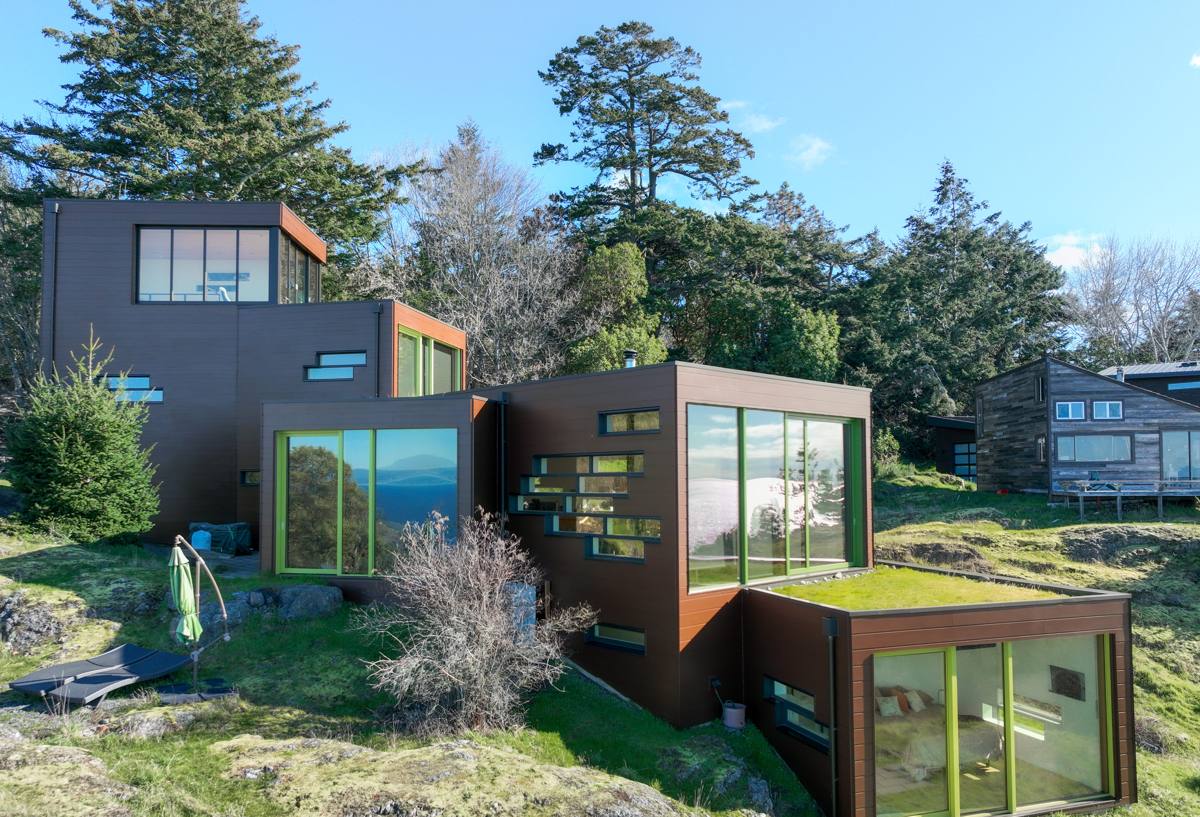
Like much of Bellingham's older residential fabric, Sunnyland has a mix of early-to-mid-20th-century bungalow and craftsman-style homes alongside newer infill construction. The older homes often still have original wood window openings, non-standard sizes, and framing that's had decades to settle or take on moisture damage around the sills and jambs. Replacing a window in one of these homes usually isn't a simple swap — it's an opportunity to actually inspect and correct what's behind the trim, which is often where the real problems are hiding.
Newer homes in the area come with their own considerations: more standardized openings, but also higher expectations for energy performance and airtightness, since they were likely built to a more recent version of the Washington energy code. Either way, an installer working in Sunnyland needs to be comfortable with both scenarios — restoring and upgrading an older opening, and matching modern performance standards on a newer one.
Common Issues We Find Behind Older Sunnyland Windows
- Wood sills and jambs softened by years of slow moisture intrusion, often invisible from inside
- Missing or degraded flashing that was never designed to handle sustained wind-driven rain
- Single-pane glass with failed or absent weatherstripping, letting in drafts and noise
- Caulk used as the primary water barrier instead of proper flashing — a common shortcut that fails over time
- Interior condensation staining, a sign the window and wall assembly aren't managing moisture correctly
What a Correct Window Installation Actually Involves
A window installation is really a small waterproofing project with a window in the middle of it. Done right, water that reaches the wall around the window has a clear path to drain back out — it never gets a chance to sit against wood framing or sheathing. Here's what that looks like in practice:
Sill Pan Flashing
Every window opening should have a sloped, sealed pan at the bottom of the rough opening that catches any water that gets past the window and directs it back outside, rather than letting it pool against the sill.
Integration With the Weather-Resistive Barrier
The window's flashing needs to be properly lapped with the house wrap or building paper already on the wall — flashing tape or building paper installed in the wrong order can actually funnel water into the wall instead of away from it. This is one of the most commonly rushed steps, and one of the most consequential to get wrong.
Correct Sealant Selection and Placement
Not every sealant is rated for long-term UV and moisture exposure, and sealant should never be the only thing standing between the window and the wall cavity — it's a backup to good flashing, not a substitute for it.
Insulation Around the Frame
The gap between the window frame and the rough opening needs to be filled with an appropriate low-expansion foam or insulation — packed too tight, it can bow the frame; left empty, it's a direct path for drafts and condensation.
Skip any one of these steps and the window itself can be top quality and still fail early — usually as a leak, a draft, or wood rot discovered years later when it's a much bigger repair.
Choosing the Right Window for Salt Air and Driving Rain
Frame material and hardware choice matter more here than in a drier, inland climate. Salt-laden air is mildly corrosive to unprotected metal hardware and can accelerate wear on lower-grade finishes over time. Here's a general comparison of the frame materials most commonly used in this region:
| Frame Material | Coastal Durability | Maintenance | General Cost Position |
|---|---|---|---|
| Vinyl | Good — won't rot or corrode; quality varies by manufacturer | Low — occasional cleaning | Most affordable |
| Fiberglass | Very good — stable in temperature swings, resists warping | Low | Mid-to-upper range |
| Wood, clad exterior | Good on the exterior face; interior wood still needs care | Moderate — cladding protects, but seals need periodic checks | Upper range |
| Bare wood | Requires diligent upkeep in this climate; more prone to moisture issues | High — regular painting/sealing needed | Varies widely |
There's no universally "correct" choice — it depends on the home's style, budget, and how much upkeep an owner wants to take on. A century-old bungalow with historic character might call for a clad-wood window to preserve its look, while a straightforward, low-maintenance upgrade might point toward vinyl or fiberglass. We'll walk through the honest trade-offs for your specific home rather than push one product line.
Energy Performance and Washington's Energy Code
Washington's energy code sets minimum performance requirements for replacement windows, generally expressed as a U-factor (how well the window resists heat loss) and, in some cases, solar heat gain coefficient. In a marine climate like Bellingham's, a lower U-factor pays off in comfort as much as in the utility bill — it also helps control interior condensation, which is a real concern given how much moisture is in the air here for much of the year. Double-pane, low-E glass is the standard baseline for most replacement projects; triple-pane can make sense for north-facing rooms, homes near busier streets where sound matters, or owners prioritizing maximum efficiency, though it comes at added cost and weight.
Our Window Installation Process
- On-site assessment. We inspect existing openings, check for hidden moisture or rot, take precise measurements, and talk through material and glass options based on the home and your goals.
- Product selection. We help you weigh frame material, glass package, and hardware against budget — no pressure toward the most expensive option.
- Removal and opening inspection. Old windows come out carefully, and we inspect the framing underneath before anything new goes in. Any rot or damage is addressed at this stage, not covered up.
- Flashing and weatherproofing. Sill pans, flashing tape, and integration with the existing weather-resistive barrier are installed to shed water properly — this is the step that determines long-term performance.
- Installation and shimming. The window is set plumb, level, and square, then shimmed and fastened per manufacturer specifications.
- Insulation and sealing. The perimeter gap is properly insulated and sealed, inside and out.
- Cleanup and final walkthrough. We clean up the work area and walk through the finished installation with you.
Signs Your Sunnyland Home May Need New Windows
- Visible condensation or fogging between panes — a sign the seal has failed
- Drafts you can feel near the frame even when the window is closed
- Difficulty opening, closing, or locking windows
- Soft or discolored wood at the sill or surrounding trim
- Noticeably higher heating bills without another clear cause
- Persistent moss or dark staining on the exterior trim around the window
- Outside noise that seems louder than it should be
Any one of these on its own isn't necessarily an emergency, but a few showing up together is usually a sign the window and its surrounding assembly are due for a closer look.
Why Working With a Crew That Knows Sunnyland Matters
A window installer who regularly works this specific part of Bellingham has already seen how the bay's salt air and driving rain treat window installations over time — which shortcuts fail first, which flashing details actually hold up, and which frame materials tend to age well on homes with Sunnyland's mix of vintage and newer construction. That local pattern recognition is hard to substitute for. It also means familiarity with the older, non-standard window openings common in this neighborhood, and with the realities of Whatcom County's wet season, which leaves a narrower dry-weather window for exterior work than many other parts of the country.
We're not asking you to take our word for how your home should be handled — we're happy to explain exactly what we find during an assessment and why we're recommending a given approach, in plain language.
After Installation: Keeping Windows Performing Through Moss Season
Good installation is most of the battle, but a little seasonal attention extends the life of any window in this climate. Rinsing exterior frames and tracks periodically helps prevent moss and algae buildup, especially on north-facing or shaded elevations that stay damp longer. Checking exterior caulk lines once a year for cracking, and keeping weep holes clear of debris, keeps the drainage path doing its job. None of this is heavy maintenance — it's just the kind of upkeep that coastal, high-rainfall climates ask for.
If you're noticing drafts, fogged glass, or wear around your windows, or you're simply planning ahead for a home in Sunnyland, we're glad to take a look and give you a straightforward, no-pressure estimate — use the form below to get started.