 Bellingham Roofing
 Windows Built for Where York Sits
York is one of Bellingham's older residential neighborhoods, and a lot of its homes were built decades before anyone worried much about vapor barriers or sill pan flashing. That's not a knock on the houses — it's just the reality of working on windows here. Many of these homes still carry their original wood sash windows, or a first round of replacements from the 80s or 90s that were installed with whatever caulk and shims were on the truck that day. Neither was built for the climate Whatcom County actually delivers year-round.
Bellingham sits in a marine climate zone, and that means moisture is always the variable to plan around. Salt-tinged air off Bellingham Bay, driving rain that comes in sideways during fall and winter storms, and a moss season that can stretch from October into May all work on a window opening the same way — slowly, quietly, until a homeowner notices soft trim, a drafty room, or glass that's fogged up between the panes. Window installation done right in York isn't about the window unit itself so much as it is about everything around it: the flashing, the sill, the barrier, and the seal.
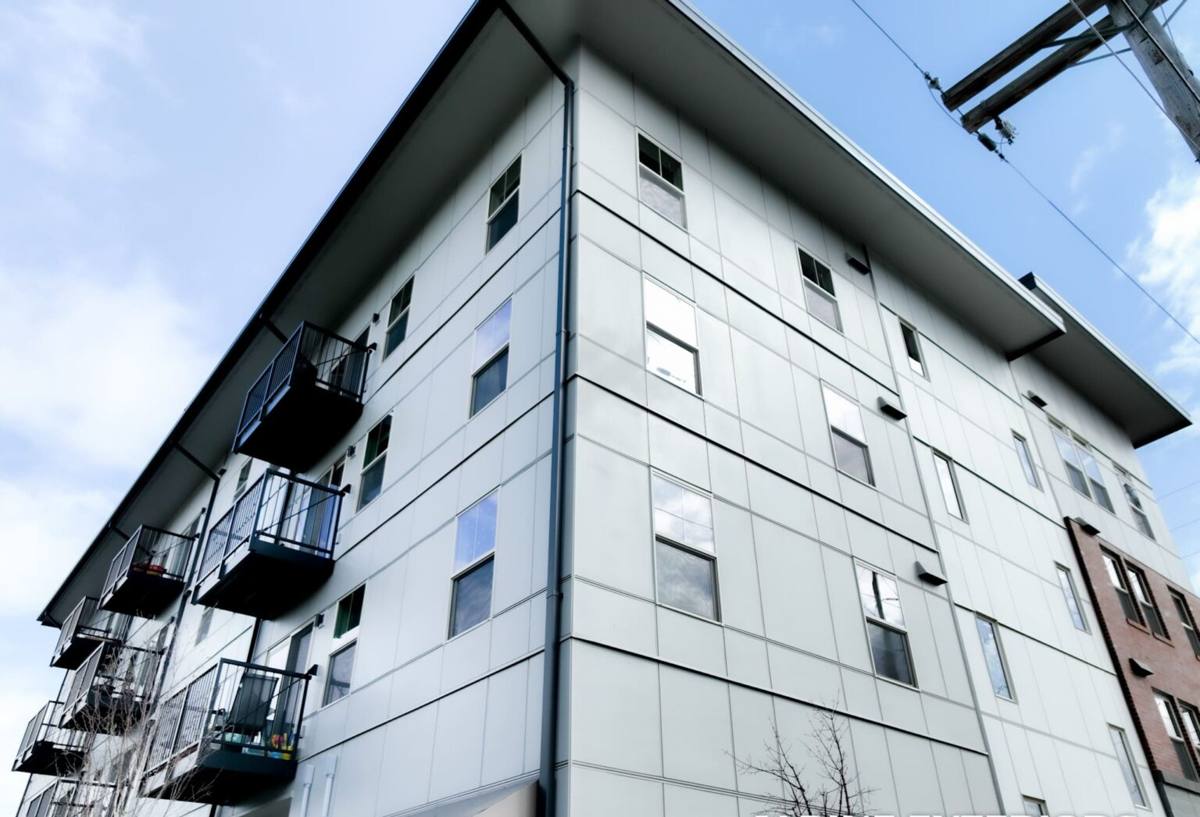
What This Climate Does to a Window Opening Over Time
Every window is a hole cut in the exterior wall, and every hole is a place water wants to get in. In a drier climate, a mediocre install might go a decade before it causes a problem. In Bellingham, the timeline is shorter, because the opening rarely gets a chance to fully dry out between rain events for months at a time.
- Driving rain pushes water sideways into gaps that would stay dry in a straight-down rain, which is why flashing details at the head and sill matter more here than in most parts of the country.
- Salt air accelerates corrosion on hardware, fasteners, and lower-grade metal flashing, and it breaks down some sealants faster than their rated lifespan suggests.
- Moss and algae hold moisture against wood trim and sills for extended periods, which is a slow but steady path to rot if the surface isn't sealed or shedding water properly.
- Temperature swings between damp winter nights and warmer afternoons cause expansion and contraction that can work a poor seal loose over several seasons.
None of this means windows fail fast in York. It means they fail quietly, usually from the inside out, and the visible symptoms show up well after the damage has started.
Signs a York Home's Windows Need Attention
Homeowners usually call us for one of two reasons: a window that's obviously failing, or one that's just started acting differently than it used to. Both are worth acting on before the problem spreads into the wall framing.
- Fogging or a visible film between the panes of a double-pane window — the seal has failed and the gas fill is gone
- Windows that are noticeably harder to open, close, or lock than they used to be
- Soft or spongy trim, sill, or the wall surface just below a window
- Visible gaps, daylight, or a draft you can feel around the frame on a windy day
- Paint that keeps peeling or bubbling in the same spot around a window, year after year
- A musty smell in a room near an exterior wall, especially after a stretch of heavy rain
- Moss or dark staining building up on the sill or the trim below the window faster than elsewhere on the house
What Correct Window Installation Actually Involves
A window installation is judged by what you can't see once the trim goes back on. Skipping any one of the steps below is how a brand-new window ends up with a moisture problem inside of a few winters.
Sill Pan and Flashing First
Before a new window ever goes into the opening, the rough opening needs a sill pan — a sloped, waterproof base that directs any water that gets past the window back outside instead of into the wall cavity. Head and jamb flashing then integrate with the home's weather-resistive barrier in the correct shingled order, so water is always directed down and out, never trapped behind a layer that can't drain.
Setting the Window Square, Level, and Sealed
The window itself gets shimmed square and plumb, not just tacked into whatever gap exists. Low-expansion foam or backer rod and sealant fill the gap between the frame and the rough opening to control air movement without trapping moisture. A window that's slightly out of square will bind, leak, or wear its weatherstripping unevenly for the rest of its life.
Exterior Sealant and Trim
The exterior seal — the sealant bead between the window flange and the siding or trim — is a wear item, not a permanent fix, and it needs to be applied cleanly with the right product for the surrounding material. Trim gets reinstalled or replaced so it sheds water rather than holding it against the frame, which matters even more during a wet Whatcom County winter.
Interior Finish
Inside, insulation gets packed into the gap at the right density (overpacking foam can actually bow a frame), and interior trim or stops are reset cleanly. It's the least glamorous part of the job and the part most likely to get rushed on a low-bid install.
Choosing Materials That Hold Up Here
There's no single "best" window for every home in York — it depends on the home's age, style, and what the homeowner wants to maintain over time. Our job is to lay out the honest trade-offs so the choice fits the house and the budget, not just what's easiest to sell.
| Frame Material | Moisture Behavior | Maintenance | Typical Fit |
|---|---|---|---|
| Vinyl | Won't rot or corrode; performs well in wet, salt-air conditions | Low — occasional cleaning | Budget-conscious replacements, rentals, additions |
| Fiberglass | Very stable in temperature swings; excellent moisture resistance | Low | Homeowners wanting long-term durability, willing to pay more upfront |
| Wood-Clad | Good if the exterior cladding is intact; interior wood needs a dry, controlled environment | Moderate to high — exterior seals need periodic inspection | Older or historic-style homes where interior wood look matters |
| Aluminum | Prone to condensation and corrosion in coastal salt air without a thermal break | Moderate | Rarely our first recommendation for this climate |
For the glass itself, we typically recommend double-pane units with a low-E coating and argon or krypton gas fill for the insulation value, especially on north- and west-facing walls that catch the brunt of driving rain and wind off the Sound. Triple-pane is worth discussing for homes near busier streets where sound control matters as much as thermal performance, though it adds weight and cost that isn't necessary for every opening.
Cost Factors Worth Understanding Before You Get a Quote
Every quote should be specific to the home, but the factors that move the number are consistent. Knowing them ahead of time makes it easier to compare estimates apples-to-apples.
| Factor | Why It Matters |
|---|---|
| Number and size of openings | Larger and custom-sized units cost more to manufacture and install |
| Condition of the existing opening | Rot repair or reframing adds labor beyond a straightforward swap |
| Frame material chosen | Vinyl, fiberglass, and wood-clad sit at different price tiers |
| Full-frame vs. insert replacement | Removing the old frame down to the studs costs more but is often the right call on an older home |
| Access and height | Second-story or hard-to-reach windows take more time and equipment |
Our Process, Start to Finish
- Walkthrough and assessment — we look at each opening, note the condition of the framing and siding around it, and talk through what's actually causing the problems you're seeing
- Written estimate — a clear breakdown by opening, material options, and what's included, no vague lump-sum guessing
- Scheduling around the weather — we plan install days with Bellingham's rain patterns in mind and protect open framing if conditions turn
- Removal and inspection — old units come out carefully so we can check the framing underneath for hidden rot or moisture damage before anything new goes in
- Correct installation — sill pan, flashing, sealing, insulation, and trim, in that order, every time
- Walkthrough and cleanup — we test operation on every window, clean up the work area, and go over care basics before we leave
Why a Crew That Already Works in York Matters
Older neighborhoods like York have a mix of home styles, siding types, and prior renovation work, which means no two window openings are exactly alike. A crew that regularly works in this neighborhood has already seen the common surprises — old flashing that was never installed correctly the first time, siding transitions that need extra attention, framing that's held up better or worse than expected for the home's age. That familiarity shows up in fewer surprises mid-project and fewer change orders after the walls are already open.
It also matters for the practical side of the job: knowing how to schedule around Bellingham's wetter months, understanding what permitting or inspection steps a given project needs, and being straightforward about what a home's exterior can and can't support without additional repair work first.
Living With New Windows Through Moss Season
A correctly installed window is largely maintenance-free, but a little seasonal attention extends its life. Clearing debris and moss growth off sills and surrounding trim before it builds up keeps moisture from sitting against the frame through the wetter months. Checking exterior caulk lines once a year — especially after the first winter — catches small gaps before they become entry points for water. Operating windows periodically, even in winter, keeps weatherstripping and hardware from seizing up from disuse in the damp.
If your York home has windows that are drafty, foggy, sticking, or just old enough that you're not sure what's behind the trim, we're happy to take a look and give you a straightforward, no-pressure estimate — no obligation, just an honest read on what your home actually needs. There's a form below to get started.